
Trees
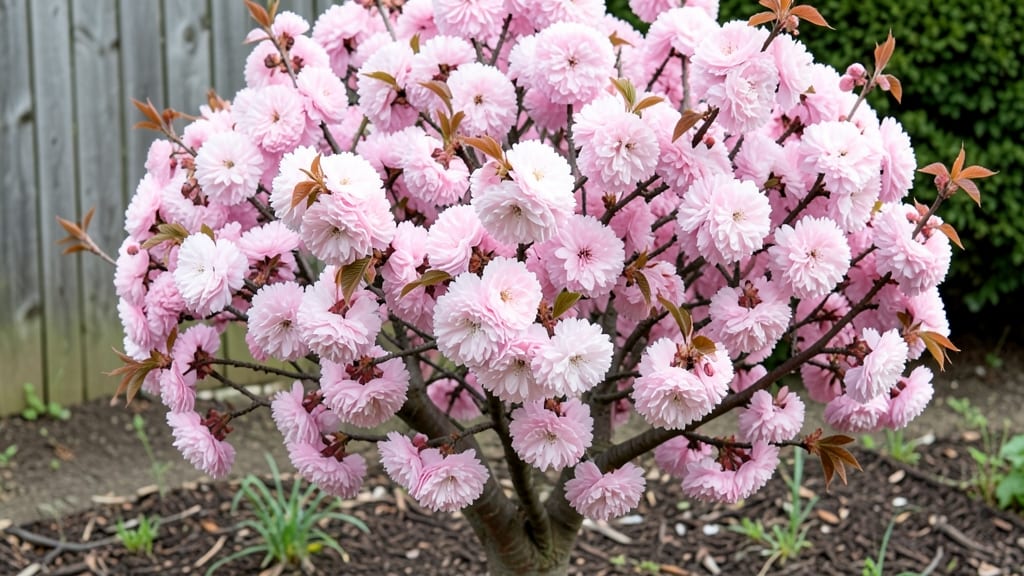
A double flowering plum tree 🌸 can turn your yard into a nonstop floral show—but only if you prune it the right way. Imagine a plum tree bursting with vibrant blooms not just in spring, but throughout the year, creating a living masterpiece that neighbors will envy.
Most gardeners assume pruning is just about shaping, but the real magic happens in the timing and technique. Cut too much or at the wrong season, and you’ll end up with sparse blooms or even a tree that barely flowers at all.
The key is knowing when to trim and how to encourage those year-round blossoms without stressing the tree.
Whether you’re just planting your double flowering plum tree in Zone 6a or dealing with an overgrown specimen, this guide will walk you through the exact steps to keep it thriving.
We’ll cover seasonal pruning cycles, common mistakes that kill blooms, and the tools you need for precision cuts that make all the difference.
Ready to transform your garden into a floral paradise? By the end, you’ll have a step-by-step pruning plan that ensures your plum tree stays lush, healthy, and covered in blooms from spring to fall.
When and how to prune double flowering plum trees for maximum blooms
Your double flowering plum tree can become a year-round spectacle with the right pruning techniques. Unlike single-blooming varieties, these trees produce dense, repeat blooms when pruned strategically.
The key is balancing flower stimulation with tree health—cut too much, and you risk stunting growth; cut too little, and blooms won’t thrive. I’ll walk you through the optimal timing and step-by-step methods to keep your tree flowering abundantly.
Double flowering plum trees bloom on both old wood (last year’s growth) and new wood (current season’s growth). This dual-flowering trait means you can prune more aggressively without sacrificing blooms—unlike single-flowering varieties that rely solely on old wood.
However, timing is everything. Prune at the wrong time, and you’ll either shock the tree or miss the flowering window entirely. Let’s dive into the seasonal pruning cycles that will keep your tree in peak bloom condition.
Step-by-Step Pruning Guide for Double Flowering Plum Trees
-
Step 1: Late Winter Dormancy Pruning (February-March)
Remove dead, diseased, or crossing branches while the tree is dormant. This opens the canopy for better air circulation and sunlight penetration, which is critical for spring blooms.
-
Step 2: Light Summer Pruning (June-July)
After the first flush of blooms, trim back overly vigorous shoots to encourage new growth and secondary blooms. Focus on branches growing inward or rubbing against others to prevent future damage.
-
Step 3: Post-Bloom Thinning (August-September)
Thin out 1/3 of the oldest branches to rejuvenate the tree. This step is vital for stimulating new wood growth, which will produce fall and winter blooms. Aim for a balanced, open structure.
-
Step 4: Minimal Winter Cleanup (December-January)
Remove any weak or damaged branches left from storms or disease. Avoid heavy pruning during winter, as the tree is already dormant. Focus on maintaining shape and removing hazards.
💡 Pro Tip: Always use sterilized tools to prevent spreading disease. Wipe blades with rubbing alcohol between cuts on different branches.
One of the most common mistakes I see is pruning at the wrong time. For example, cutting back heavily in late spring can remove next year’s flower buds, which form on the previous season’s growth.
Double flowering plum trees are more forgiving, but precision matters. Start with the late winter pruning to set the stage for spring blooms, then follow up with light summer trims to encourage continuous flowering.
When shaping your tree, prioritize open centers and outward-facing branches. This not only enhances airflow but also ensures even sunlight distribution, which is crucial for bloom production. Avoid heading back (cutting just above a bud) unless you’re specifically trying to stimulate bushier growth.
Instead, focus on thinning cuts to maintain the tree’s natural form while removing competing growth.
Deadwood removal is another critical step, especially after winter storms or heavy blooming seasons. Dead branches can harbor pests and diseases, which can spread to healthy wood. Use sharp, clean pruners to make clean cuts just outside the branch collar—the raised area where the branch meets the trunk.
This promotes faster healing and reduces the risk of infection. If a branch is larger than 2 inches in diameter, use a pruning saw for a smooth cut.
For maximum blooms, I recommend a three-step pruning schedule: winter cleanup, summer thinning, and fall rejuvenation. This approach ensures your tree has balanced energy allocation between growth and flowering.
For instance, after the June-July pruning, you’ll often see a second flush of blooms in late summer or early fall—a true reward for your efforts!
If your tree isn’t flowering as expected, check for over-pruning or poor light exposure. Double flowering plum trees need at least 6 hours of sunlight daily to produce abundant blooms.
If your tree is in a shady spot, consider relocating it or supplementing with artificial grow lights during shorter days. Additionally, ensure the tree is well-watered but not waterlogged, as both extremes can stress the tree and reduce flowering.
Finally, don’t forget to sanitize your tools between cuts, especially if your tree has shown signs of bacterial canker or powdery mildew. These diseases can spread rapidly through open wounds.
A quick wipe with rubbing alcohol or a 10% bleach solution (mixed with water) will keep your tools disease-free. With the right pruning techniques and seasonal timing, your double flowering plum tree will reward you with stunning, year-round blooms.
🌸
Common pruning mistakes that kill year-round blooms (and how to avoid them)
Your double flowering plum tree may look stunning now, but even small pruning mistakes can rob it of its year-round blooms. One wrong cut or timing error can stunt growth and reduce flowering for seasons to come.
The key is understanding what your tree needs—and what it absolutely doesn’t—to thrive.
Many gardeners unintentionally over-prune during enthusiastic sessions, thinking more cuts mean more blooms. Others make the fatal mistake of pruning at the wrong time of year, triggering dormancy instead of growth.
Even using the wrong tools can leave jagged wounds that invite disease. Let’s diagnose these common pitfalls before they derail your tree’s beauty.
⚠️ Double Flowering Plum Tree Pruning Pitfall
Pruning your double flowering plum tree in late summer or fall forces it into dormancy, halting bloom production for the next season. This tree relies on winter dormancy followed by spring growth—any disruption throws off its flowering cycle. If you notice fewer blooms next spring, check your last pruning date: never prune after July.
Another frequent mistake is improper cut placement. Cutting too close to the trunk or leaving stubs creates entry points for bacterial infections and fungal diseases. Always make cuts just outside the branch collar, where the branch meets the trunk.
This ensures proper healing and maintains the tree’s natural structure. A quick way to spot this error? Look for ragged wounds or oozing sap—these are red flags.
Timing is everything with double flowering plums. Pruning in late winter or early spring (just before buds swell) stimulates new growth and encourages abundant blooms. But if you wait until summer, you risk stunted flowering and weakened branches.
Pro tip: Mark your calendar for February or March—this is your 6-week window for optimal pruning.
Don’t forget about thinning vs. heading cuts. Many gardeners default to heading cuts (trimming back the tip of a branch), which can lead to a dense, crowded canopy and fewer blooms.
Instead, focus on thinning cuts—removing entire branches at their base—to improve airflow and light penetration. Aim to open up the center of your tree by 30-40% for the best results.
Here’s a quick diagnostic checklist to assess your pruning habits: Are you cutting in the right season? Are your cuts clean and precise? Is your tree showing signs of stress or disease?
If you answered "no" to any of these, it’s time to adjust your approach. With the right techniques, your double flowering plum can reward you with continuous blooms from spring through fall.