
Trees
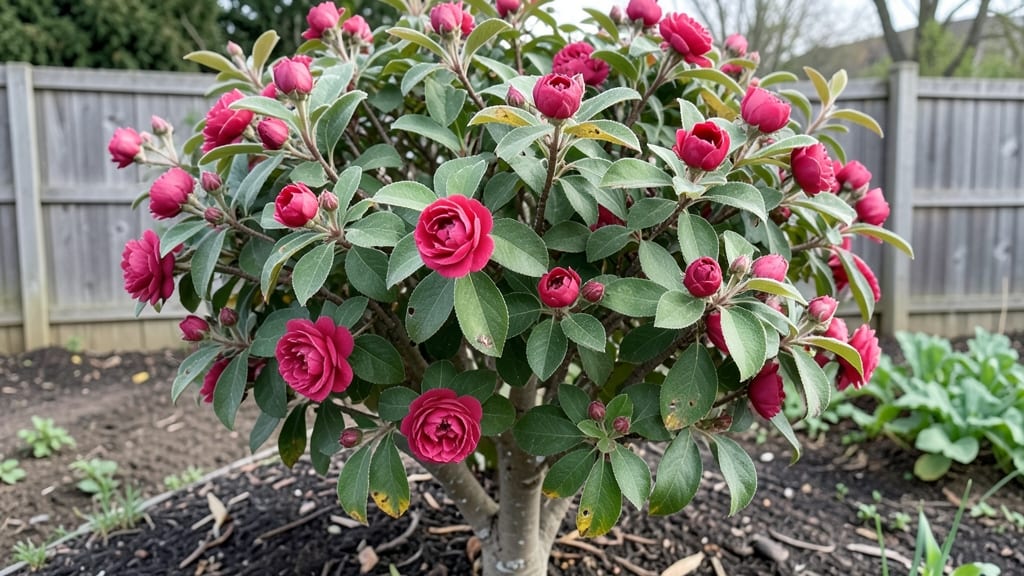
A flowering peach tree with double red blooms 🍑 transforms any yard into a springtime spectacle—without the hassle of fruit production.
Picture this: vibrant clusters of blossoms that last for weeks, their fragrance filling the air, and a tree that stays lush even when others fade. But here’s the catch—this stunning variety demands precise care to keep those blooms coming back year after year.
If you’re in USDA Zone 6a, timing is everything. Planting in April or May, after the last frost, sets the stage for a thriving tree. The right soil, sunlight, and watering routine make all the difference between a showstopper and a struggle.
In this guide, I’ll walk you through everything from planting to pruning, so your double red flowering peach tree stays healthy, blooms abundantly, and becomes the star of your garden.
How to plant and establish a double red flowering peach tree for maximum blooms
The double red flowering peach tree is a stunning ornamental tree that thrives on attention to detail during its early stages. Unlike fruit-bearing varieties, this tree focuses all its energy on producing vibrant double red blooms that can last from spring through fall with proper care.
To ensure your tree grows strong and blooms abundantly, you’ll need to pay close attention to planting timing, soil conditions, and early-care routines. Whether you're planting in USDA Zone 6a or a warmer climate, these steps will set your tree up for success.
One of the first decisions you’ll make is choosing the right planting window. For most regions, late spring—after the last frost—is ideal, typically between April and May.
However, if you live in a warmer climate, you can plant as early as March to take advantage of cooler temperatures. The key is to avoid planting when frost is still a risk, as young roots are sensitive to cold.
If you miss the spring window, fall planting is possible in mild climates, but ensure there are at least 6-8 weeks before the first frost to allow roots to establish.
Before you dig, prepare the planting site with care. Your double red flowering peach tree thrives in well-draining soil with a slightly acidic to neutral pH (6.0-7.0). If your soil is heavy clay or sandy, amend it with compost or aged manure to improve drainage and fertility.
Avoid planting in low-lying areas where water pools, as waterlogged roots can lead to root rot. A sunny location with at least 6-8 hours of direct sunlight daily is non-negotiable—this tree needs full sun to produce its vibrant double red blooms and maintain overall health.
Now, let’s get to the step-by-step process. Follow these essential planting and establishment steps to give your tree the best start possible.
Step-by-Step Planting Guide for Double Red Flowering Peach Tree
-
Step 1: Choose the Right Location
Select a spot with full sun exposure (6-8+ hours daily) and well-draining soil. Avoid areas prone to frost pockets or standing water.
-
Step 2: Dig the Planting Hole
Make the hole twice as wide as the root ball but no deeper. Loosen the sides to encourage root spread into surrounding soil.
-
Step 3: Prepare the Root Ball
Remove the tree from its container and loosen roots gently if pot-bound. Soak the root ball in water for 10-15 minutes before planting.
-
Step 4: Position the Tree
Place the tree in the hole so the graft union (visible bump near the base) is 2-3 inches above soil level. This prevents rot and ensures proper growth.
-
Step 5: Backfill and Water
Fill the hole with soil, tamping gently to remove air pockets. Water deeply (15-20 gallons) to settle the soil and eliminate gaps around roots.
-
Step 6: Mulch and Stake (If Needed)
Apply 2-3 inches of mulch around the base (keep mulch 6 inches away from trunk). Stake only if the tree is top-heavy or in windy areas.
Once your double red flowering peach tree is planted, the first few weeks are critical for establishing a strong root system. Water the tree deeply every 5-7 days during the first month, ensuring the soil stays moist but not soggy.
Avoid overhead watering, which can spread disease—always water at the base of the tree. In the first year, your tree will focus on root growth rather than blooming, so resist the urge to fertilize heavily. Instead, apply a balanced fertilizer (10-10-10) lightly in early spring to support early development.
Pruning is another key early-care task. Remove any dead, damaged, or crossing branches right after planting to improve airflow and shape. However, avoid heavy pruning in the first year, as this can stress the young tree.
Focus on structural pruning in late winter or early spring of the second year to encourage a strong framework for future double red blooms. Prune just above a bud or branch collar to promote healthy regrowth and minimize the risk of disease.
Monitor your tree closely for signs of stress, such as yellowing leaves or wilting branches. These can indicate overwatering, underwatering, or nutrient deficiencies.
If you notice leaf curl or brown edges, adjust your watering schedule or check the soil pH. A simple soil test kit can help you determine if your tree needs amendments like lime (to raise pH) or sulfur (to lower pH).
Remember, a healthy tree is the foundation of vibrant double red blooms in the years to come.
As your tree matures, you’ll see the rewards of your early-care efforts. By the second or third year, it should begin producing
Pruning and seasonal care guide to keep your double red flowering peach tree healthy
The double red flowering peach tree thrives on consistent seasonal care, especially when it comes to pruning and maintenance. Unlike fruit-bearing varieties, this ornamental tree focuses on stunning double red blooms year-round, so proper pruning ensures vibrant flowers and a strong structure.
I’ve learned that timing and technique are everything—cut too early or too late, and you risk stunting next year’s blossoms.
Your tree’s health depends on a seasonal care routine that balances pruning, fertilizing, and pest control. For example, winter pruning prepares the tree for spring blooms, while summer maintenance keeps it resilient against heat stress.
I’ll walk you through each season’s critical tasks, including how to identify dead branches and encourage new growth without overstressing the tree.
Winter is the best time to prune your double red peach tree because the tree is dormant, making it easier to spot dead or diseased branches. I recommend using sharp, sterilized pruning shears to make clean cuts just outside the branch collar.
Avoid heavy pruning in late winter, as new growth could be damaged by unexpected frosts. Wrap the trunk with burlap or use tree wraps to protect it from winter sunscald.
When spring arrives, focus on reviving your tree with a balanced fertilizer like 10-10-10. This encourages strong root and shoot growth, setting the stage for abundant double red blooms. Lightly prune any water sprouts or crossing branches to improve airflow and reduce disease risk.
I’ve found that applying a mulch ring around the base helps retain moisture and regulates soil temperature.
Summer maintenance is all about pest control and watering efficiency. Your tree will need deep watering 2-3 times per week, especially during dry spells. Watch for signs of peach leaf curl or aphid infestations—early intervention with neem oil or insecticidal soap can save your tree.
Thin out dense foliage to ensure sunlight reaches the inner branches, which is crucial for even blooming.
As fall approaches, remove any fallen leaves or debris from around the base to prevent fungal diseases like peach scab. Apply a copper fungicide if you’ve noticed any signs of infection earlier in the year.
This is also the time to reduce watering gradually, allowing the tree to prepare for dormancy. A final light pruning to remove any weak or damaged branches will help it enter winter in peak condition.
With this seasonal care routine, your double red flowering peach tree will reward you with vibrant blooms and lush foliage year after year. The key is consistency—staying ahead of pests, pruning strategically, and adjusting care to match the changing seasons.
Your tree will thrive, and your garden will be the envy of the neighborhood! 🌷