
Trees
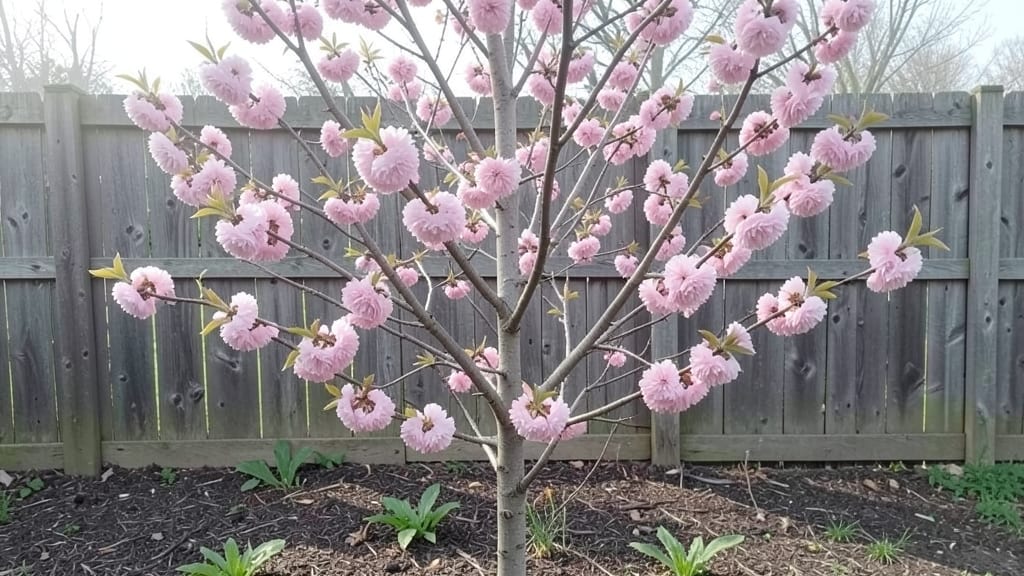
A double flowering peach tree 🍑 brings twice the beauty and fruit of a standard peach—if you plant it right.
Imagine a peach tree bursting with vibrant, double-layered blooms that transform your garden into a dreamy springtime canvas—year after year. These trees aren’t just stunning; they’re a gardener’s secret weapon for extending bloom seasons and boosting fruit production.
In USDA Zone 6a, timing is everything—planting in April or May after the last frost ensures strong roots before summer heat sets in.
But the real magic happens in how you care for it: pruning for maximum blooms, feeding at the right times, and protecting it from pests that target weak trees.
By the end of this guide, you’ll know exactly how to coax two rounds of blooms from your peach tree, whether you’re growing it for show-stopping flowers, juicy fruit, or both. Let’s get started.
How double flowering peach trees differ from traditional varieties
Double flowering peach trees stand out in any orchard or backyard with their excessive, layered blossoms that create a stunning visual display. Unlike traditional peach varieties, these trees produce two layers of petals per flower, thanks to a unique genetic mutation that encourages double blooming.
This trait isn’t just for show—it also affects their fruit production patterns and seasonal growth habits.
The key difference lies in their genetic structure. Traditional peach trees produce single flowers with one layer of petals, designed primarily for pollination and fruit set. Double flowering varieties, however, develop extra petal layers due to a mutation in the MADS-box genes, which regulate flower development.
This mutation doesn’t just create prettier blooms—it also impacts how and when the tree flowers.
| Feature | Traditional Peach Trees | Double Flowering Peach Trees |
|---|---|---|
| Flower Structure | Single layer of petals | Two layers of petals |
| Bloom Season | Spring (4-6 weeks) | Extended (spring + sporadic summer) |
| Fruit Yield | Higher (primary bloom) | Lower (energy diverted to blooms) |
| Pollination Efficiency | High (open flower structure) | Moderate (denser petals) |
| Ornamental Value | Moderate (standard blooms) | High (dramatic double blooms) |
| Growth Energy | Focused on fruit production | Divided between blooms and fruit |
One of the most noticeable differences is their extended blooming period. While traditional peach trees bloom for about 4-6 weeks in spring, double flowering varieties often produce secondary blooms in late spring or early summer.
This extended season makes them a favorite for ornamental gardens and landscapes where year-round color is desired.
However, this double blooming trait comes with a trade-off: reduced fruit production. Traditional peach trees allocate most of their energy toward developing fruit after their primary bloom. Double flowering varieties, however, split their energy between producing extra blooms and supporting fruit development.
As a result, you’ll typically see smaller harvests compared to traditional varieties, but the trade-off is often worth it for gardeners who prioritize aesthetic appeal over quantity.
The pollination process also differs between the two types. Traditional peach flowers have an open structure that makes it easier for bees to access nectar and pollen. Double flowering varieties, with their denser petal layers, can sometimes hinder pollination efficiency.
To maximize fruit set in double flowering trees, consider planting companion pollinator-friendly plants nearby or even hand-pollinating flowers during peak bloom.
Gardeners often choose double flowering peach trees for their unique visual impact, but they also appreciate the versatility these trees offer. Unlike traditional varieties that focus solely on fruit production, double flowering peaches can serve dual purposes: ornamental display and limited fruit harvest.
This makes them ideal for small urban gardens or landscapes where space is limited, but beauty is paramount.
Another advantage of double flowering peach trees is their resilience in certain climates. The extended blooming period can sometimes result in multiple fruit crops throughout the growing season, particularly in regions with mild winters.
While this isn’t guaranteed, it adds an element of unpredictability that many gardeners find exciting. Plus, the vibrant double blooms often attract more pollinators to your garden, benefiting other plants as well.
If you’re considering adding a double flowering peach tree to your garden, it’s important to understand that they require specialized care to thrive.
Because their energy is divided between blooms and fruit, they need consistent fertilization, proper pruning, and adequate watering to support both their ornamental and productive goals. With the right care, however, these trees can become the showstopper of your landscape while still providing a modest fruit harvest.
For those who love the idea of a peach tree that doubles as a living work of art, double flowering varieties are an excellent choice.
They offer a unique blend of beauty and functionality, making them perfect for gardeners who want to push the boundaries of traditional peach tree cultivation.
Whether you’re drawn to their stunning blooms or their unpredictable fruiting patterns, these trees are sure to add a touch of magic to your garden.
Step-by-step guide to planting and caring for double flowering peach trees
Double flowering peach trees are a gardener’s dream, offering prolonged bloom seasons and abundant fruit production. Unlike traditional peach trees, these varieties produce double-layered blossoms that create a stunning visual impact while also increasing pollination opportunities.
To unlock their full potential, you’ll need to focus on site selection, soil preparation, and seasonal care routines. Let’s dive into the essential steps to plant and nurture these showstopping trees for years of beauty and harvest.
Before you begin, ensure you’re planting in USDA Zones 5-9, where these trees thrive. Double flowering peaches require well-draining soil with a slightly acidic pH (6.0-6.5) and full sun exposure (6+ hours daily).
If your soil is heavy clay or overly sandy, amend it with compost or aged manure to improve drainage and nutrient retention. Proper preparation sets the stage for vigorous growth and exuberant blooming.
Planting Your Double Flowering Peach Tree
- Step 1. Choose the Right Location: Select a spot with full sun exposure and protection from strong winds. Avoid low-lying areas where cold air pools, as this can damage blossoms and fruit.
- Step 2. Dig the Planting Hole: Make the hole twice as wide as the root ball but no deeper. Loosen the soil at the bottom to encourage root growth into surrounding soil.
- Step 3. Amend the Soil: Mix compost or aged manure into the native soil at the bottom of the hole. This improves drainage and nutrient availability for the tree’s roots.
- Step 4. Position the Tree: Place the tree in the hole so the graft union (visible bump on the trunk) is 2-3 inches above soil level. This prevents root rot and ensures proper growth.
- Step 5. Backfill and Water: Fill the hole with soil, tamping gently to remove air pockets. Water deeply to settle the soil and encourage root contact. Mulch around the base with 3-4 inches of organic mulch to retain moisture.
Once planted, pruning is critical to encourage double flowering and fruit production. Prune in late winter or early spring before buds swell, removing dead, diseased, or crossing branches. Thin out overcrowded branches to improve air circulation, which reduces the risk of fungal diseases like brown rot.
Aim to shape the tree into an open-center form to maximize sunlight penetration and bloom exposure.
Watering plays a pivotal role in maintaining vibrant blooms and fruit set. Young trees need deep watering every 7-10 days, while mature trees benefit from 15-20 gallons per week during dry spells. Always water in the early morning to reduce evaporation and fungal risks.
Avoid wetting the foliage, as this can promote leaf spot diseases. In summer heat, increase frequency to every 5-7 days to support fruit development.
To troubleshoot sparse blooms or poor fruit set, check for nutrient deficiencies, improper pruning, or pest issues. Apply a balanced fertilizer (10-10-10) in early spring and summer to support growth.
If you notice aphids or peach tree borers, treat with neem oil or insecticidal soap early in the season. For disease prevention, apply copper fungicide during bud break to protect against common fungal threats.
With the right care, your double flowering peach tree will reward you with stunning blooms and bountiful fruit for decades. Whether you’re growing it for ornamental beauty or homegrown peaches, these steps ensure your tree thrives and becomes the centerpiece of your garden. 🌸