
Trees
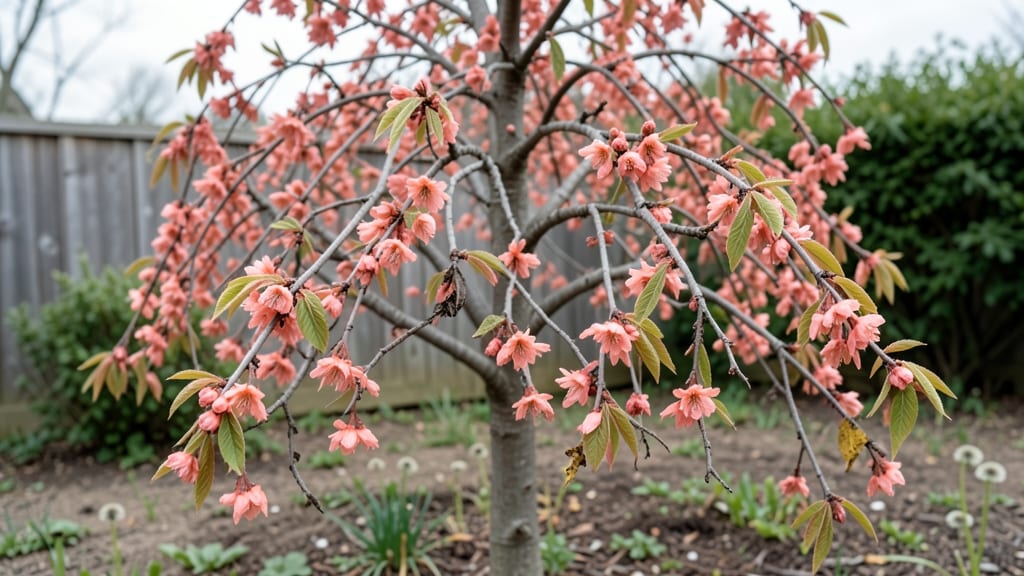
A peach-colored flowering tree 🌸 can turn your yard into a soft, romantic haven that feels like stepping into a storybook every fall.
Imagine a garden bursting with delicate peach blooms that catch the golden hour light just right, their petals whispering secrets to passersby. These trees aren’t just pretty faces—they’re the kind of statement plants that make neighbors pause and ask, "What is that?" (And then want one for themselves.)
Whether you’re dreaming of a cottage-core retreat or a polished front yard that pops in autumn, the right peach-hued tree does more than add color—it creates atmosphere. Pair it with deep purples or crisp whites, and you’ve got a seasonal masterpiece that thrives with minimal fuss.
Below, I’ll share the top 5 varieties that bring that dreamy peach glow to your space, plus the planting secrets that keep them blooming year after year—no green thumb required.
5 Best peach-colored flowering trees for different climates and landscapes
Adding a peach-colored flowering tree to your garden instantly creates a warm, inviting atmosphere. These trees aren’t just stunning—they offer year-round interest with their delicate blooms, seasonal foliage changes, and even winter structure.
Whether you live in a hot desert climate or a cool mountain region, there’s a perfect peach-hued variety to elevate your outdoor space.
From the early spring blooms of Prunus cerasifera 'New Dawn' to the late-summer drama of Lagerstroemia 'Natchez,' these trees thrive in diverse conditions. I’ve selected five standout varieties that deliver long-lasting color while adapting to different USDA hardiness zones and landscape styles.
Let’s explore which one will become your garden’s centerpiece.
| Tree Variety | Peach Bloom Time | Hardiness Zones | Sunlight Needs | Mature Height | Year-Round Appeal |
|---|---|---|---|---|---|
| Eastern Redbud (Cercis canadensis 'Forest Pansy') | Early spring (March-April) | 4-9 | Full sun to part shade | 20-30 ft | Deep purple foliage, winter interest |
| Peach Plum (Prunus cerasifera 'New Dawn') | Mid-spring (April-May) | 5-9 | Full sun | 15-20 ft | Dark purple leaves, disease-resistant |
| Crapemyrtle (Lagerstroemia 'Natchez') | Late summer (July-August) | 6-9 | Full sun | 15-25 ft | Exfoliating bark, long bloom season |
| Japanese Flowering Cherry (Prunus serrulata 'Kanzan') | Early spring (March-April) | 5-8 | Full sun | 20-30 ft | Weeping branches, delicate petals |
| Peach Blossom Tree (Prunus persica 'Bonanza') | Early spring (March-April) | 5-9 | Full sun | 12-18 ft | Edible fruit, fragrant blooms |
The Eastern Redbud (Cercis canadensis 'Forest Pansy') is my top pick for cool climates and small gardens. Its deep magenta-pink blooms emerge before the leaves, creating a stunning early spring display.
This multi-season performer also features heart-shaped foliage that turns golden in fall, and its compact size makes it ideal for urban landscapes or as a specimen tree.
For hot, dry regions, the Crapemyrtle (Lagerstroemia 'Natchez') is unbeatable. Its peach-pink flowers bloom from July to September, providing late-season color when many other trees have finished. The exfoliating bark adds winter interest, and its drought tolerance
How to choose and plant a peach-colored tree for maximum blooms
Choosing a peach-colored flowering tree means selecting a variety that thrives in your climate and soil while delivering abundant blooms year after year. Whether you’re planting a cherry blossom, crabapple, or dogwood, the right preparation ensures vibrant, long-lasting flowers that brighten your landscape.
Start by researching hardiness zones and bloom seasons—some varieties like Prunus cerasifera 'New Dawn' offer spring and fall blooms, while others like Cercis canadensis 'Forest Pansy' shine in early spring.
Before digging, test your soil pH and amend it if needed. Most peach-hued trees prefer slightly acidic to neutral soil (6.0-7.0 pH). Add compost or aged manure to improve drainage and fertility, especially if your soil is heavy clay or sandy.
Mulching with wood chips or pine straw helps retain moisture and suppresses weeds, creating ideal conditions for root growth and bloom production.
Step-by-Step Planting Guide
-
Step 1: Choose the Right Variety
Select a peach-colored tree suited to your USDA zone. For example, Lagerstroemia 'Natchez' thrives in zones 6-9, while Prunus serrulata 'Kanzan' prefers zones 5-8. Check bloom times—some rebloom in fall.
-
Step 2: Dig the Planting Hole
Make the hole twice as wide as the root ball but no deeper. Loosen the sides to encourage root spread. If planting in clay soil, mix in sand or compost to improve drainage.
-
Step 3: Position the Tree
Place the tree so the root flare (where roots meet trunk) sits 2 inches above soil level. This prevents stem rot and ensures proper airflow. Space dwarf varieties 10-15 feet apart; standard trees need 20-40 feet.
-
Step 4: Backfill and Water
Fill the hole with native soil, tamping gently to remove air pockets. Water deeply to settle the soil, then add a 3-inch layer of mulch around the base, keeping it 6 inches away from the trunk.
-
Step 5: Prune for Shape and Health
Remove any dead or crossing branches during planting. For bloom-heavy trees, prune in late winter to encourage new growth and more flowers. Use sterilized pruners to avoid disease.
-
Step 6: Fertilize for Vibrant Blooms
Apply a balanced fertilizer (10-10-10) in early spring to promote root and flower development. Avoid high-nitrogen fertilizers, which encourage foliage over blooms. Water thoroughly after applying.
After planting, monitor your tree’s progress and adjust care as needed. Peach-colored blooms often attract pollinators, so avoid over-pruning in early spring—this is when flower buds form. If you notice yellowing leaves or sparse blooms, it may signal nutrient deficiencies or poor drainage.
Adjust your watering or fertilizing routine accordingly, and your tree will reward you with seasonal splashes of color.
For maximum blooms, consider planting companion plants like lavender or rosemary nearby to deter pests. These herbs also add fragrance and contrast beautifully with the soft peach hues.
With the right variety, soil prep, and ongoing care, your peach-colored tree will become the star of your garden, blooming generously for decades.
🌸