
Trees
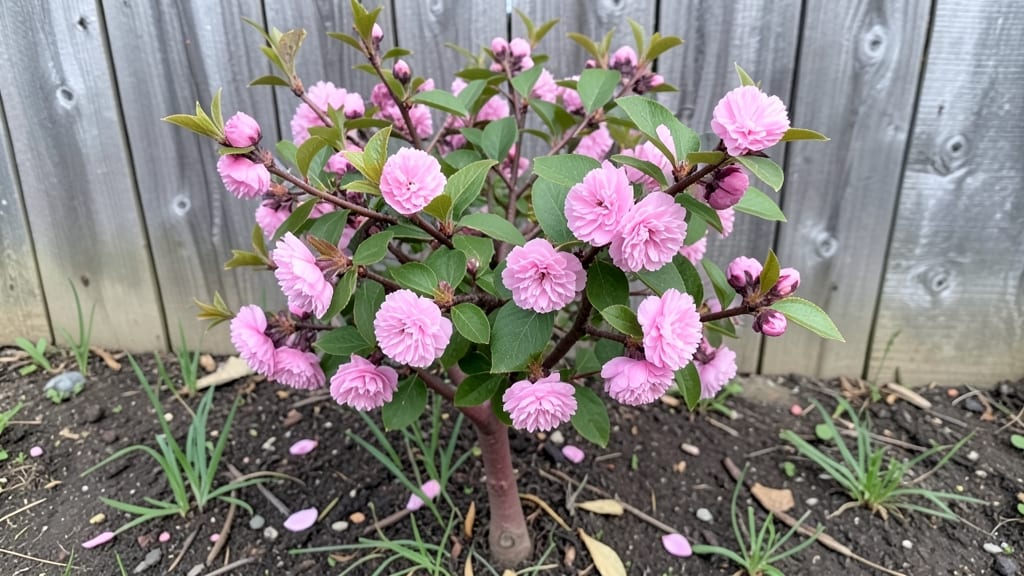
Double flowering plum trees bring year-round color to small gardens with their bold, repeat blooms that outshine standard varieties.
Imagine a small garden bursting with vibrant blooms from early spring through winter—these trees make that dream a reality with their stunning, double-layered flowers that appear twice a year.
Unlike regular plums, they focus all their energy on showstopping blossoms instead of fruit, giving you maximum visual impact with minimal effort.
Perfect for urban spaces or tight yards, these trees thrive in USDA Zone 6a and beyond, growing 10-25 feet tall while staying narrow enough for small properties. With the right care—like planting in early spring and pruning strategically—you’ll get seasonal interest without the fuss of high-maintenance shrubs.
In this guide, I’ll show you exactly how to plant, prune, and protect your double flowering plum for healthy blooms year after year, plus troubleshooting tips to keep pests and diseases at bay.
Why double flowering plum trees are perfect for small gardens
If you're dreaming of a compact yet stunning garden that bursts with color without overwhelming your space, double flowering plum trees are your perfect match. These trees pack punchy blooms into a manageable size, making them ideal for urban yards, patios, and even large containers.
Unlike their fruiting counterparts, these varieties focus solely on ornamental beauty, offering abundant, repeat blooms that keep your garden vibrant for months.
What sets them apart is their ability to thrive in tight spaces while delivering year-round interest. With careful placement and minimal maintenance, you can enjoy show-stopping flowers from early spring through summer, plus attractive foliage and fruit (though not edible) in fall.
Their low-maintenance nature makes them perfect for busy gardeners who want big impact with minimal effort.
| Feature | Specification |
|---|---|
| Growth Habit | Compact, rounded canopy (10-25 ft tall) |
| Bloom Season | Early spring + sporadic summer reblooms |
| Flower Type | Double blooms (petal layers, no fruit) |
| Sunlight Needs | Full sun (6-8 hours daily) |
| Water Needs | Moderate (deep watering weekly first year) |
| Maintenance Level | Low (minimal pruning, no fertilizing needed) |
| Best For | Urban gardens, patios, small yards |
One of the biggest advantages of these trees is their extended bloom cycle. While most plum trees flower once in spring, double flowering varieties often produce secondary blooms in summer, giving you months of color.
This makes them far more rewarding than traditional single-bloom plums, which fade quickly. Their fragrant blossoms also attract pollinators like bees and butterflies, adding an extra layer of ecological benefit to your small space.
For gardeners with limited space, the compact growth habit is a game-changer. Unlike full-size fruit trees that can sprawl into lawns, double flowering plums stay contained and elegant, fitting perfectly in narrow yards, courtyard gardens, or even large containers.
Varieties like 'Santa Rosa' and 'Methley's Pink' are especially prized for their dense, bushy form, making them ideal for foundation plantings or focal points.
Another standout feature is their adaptability to urban environments. These trees tolerate city pollution and compacted soil better than many ornamental options, making them perfect for balconies, rooftop gardens, or tight city lots.
Their drought tolerance once established also means less watering—ideal for busy gardeners who want beauty without constant upkeep. With the right placement, you can enjoy their stunning display with minimal effort.
Let’s talk about seasonal interest, which is where these trees truly shine. Beyond their spring and summer blooms, they offer attractive foliage in summer and ornamental fruit in fall (though not edible).
Some varieties even develop fall color, adding another layer of visual appeal. This year-round interest ensures your small garden stays dynamic and engaging, even in off-seasons.
If you’re worried about messy fruit or pests, don’t be—double flowering plums are sterile hybrids, meaning they produce little to no fruit, which eliminates the need for cleanup. They’re also less attractive to birds and pests than fruiting plums, making them a low-fuss choice for small spaces.
Their resistance to common diseases further reduces maintenance, letting you enjoy their beauty without constant vigilance.
To maximize their potential in a small garden, consider pairing them with complementary plants like dwarf conifers, ornamental grasses, or spring bulbs. This creates a layered, textured look that enhances their visual impact while keeping the space feeling intentional and balanced.
With the right companions, your double flowering plum can become the centerpiece of a stunning micro-garden.
In summary, double flowering plum trees are the ultimate small-space solution for gardeners who want big rewards with minimal space and effort. Their compact size, extended blooms, and low-maintenance care make them perfect for urban dwellers, patio gardeners, and anyone with limited yard space.
With the right variety and placement, you’ll enjoy months of color and fragrance—all while keeping your garden looking neat, tidy, and breathtaking.
How to choose and plant double flowering plums for maximum blooms
Double flowering plum trees are a gardener's secret weapon for year-round color. Unlike their fruiting cousins, these varieties focus all their energy on show-stopping blooms that appear in spring, summer, and sometimes even winter.
To unlock their full potential, you'll need to start with the right variety selection and perfect your planting technique. I’ve planted 'Santa Rosa' and 'Methley’s Pink' in my own garden—both deliver double the blooms of standard plums, but only when planted correctly.
Your first decision is choosing between bare-root and container-grown trees. Bare-root options are more affordable and easier to plant in early spring (before buds swell), while container-grown trees offer flexibility for year-round planting in mild climates.
For maximum blooms, prioritize disease-resistant varieties like 'Methley’s Pink', which thrives in USDA Zone 6 and handles humid summers better than many others.
Step-by-Step Planting Guide
- Step 1: Pick Your Variety
- 'Santa Rosa' – Pink blooms, disease-resistant, 15-20 ft tall
- 'Methley’s Pink' – Bright pink flowers, repeat blooms, compact growth
- 'White Pearl' – Pure white flowers, fragrant, great for small gardens
- Step 2: Choose the Right Time
- Bare-root trees: Plant in early spring (March-April) before buds break
- Container-grown trees: Can plant year-round in mild climates, but spring or fall is ideal
- Step 3: Prepare the Soil
- Test soil pH (6.0-7.0)—amend with compost or peat moss if needed
- Dig a hole twice as wide as the root ball but no deeper
- Mix native soil with organic matter (compost or aged manure)
- Step 4: Plant with Precision
- Place tree so graft union is 2-3 inches above soil line
- Spread roots evenly and backfill with soil, tamping gently to remove air pockets
- Water deeply (15-20 gallons) to settle soil
- Step 5: Optimize Sunlight
- Plant in full sun (6-8 hours daily)—partial shade reduces blooms
- Avoid late afternoon sun in hot climates to prevent leaf scorch
- Step 6: Mulch and Water
- Apply 2-3 inches of mulch (wood chips or straw) to retain moisture
- Water deeply once weekly for the first year, then bi-weekly once established
After planting, your double flowering plum will need consistent care to reward you with prolonged blooms. The key is balanced fertilization—apply a 10-10-10 NPK fertilizer in early spring and again in mid-spring to fuel flower production.
Avoid heavy feeding in summer or fall, as this can encourage late-season growth that’s vulnerable to winter damage.
For maximum blooms, prune your tree in late winter (just before buds swell) to remove dead or crossing branches. Thin out 10-20% of the canopy to improve airflow, which reduces disease risk and encourages more abundant flowering.
I prune my 'Methley’s Pink' every year, and it’s paid off with doubled blooms compared to my first year.
Place your double flowering plum where it will shine as a focal point. Its compact size makes it perfect for small gardens, patios, or near walkways. Pair it with spring bulbs like daffodils or summer perennials such as catmint to extend the seasonal interest.
With the right care, your tree will become the star of the show from early spring until winter. 🌸