
Blooming
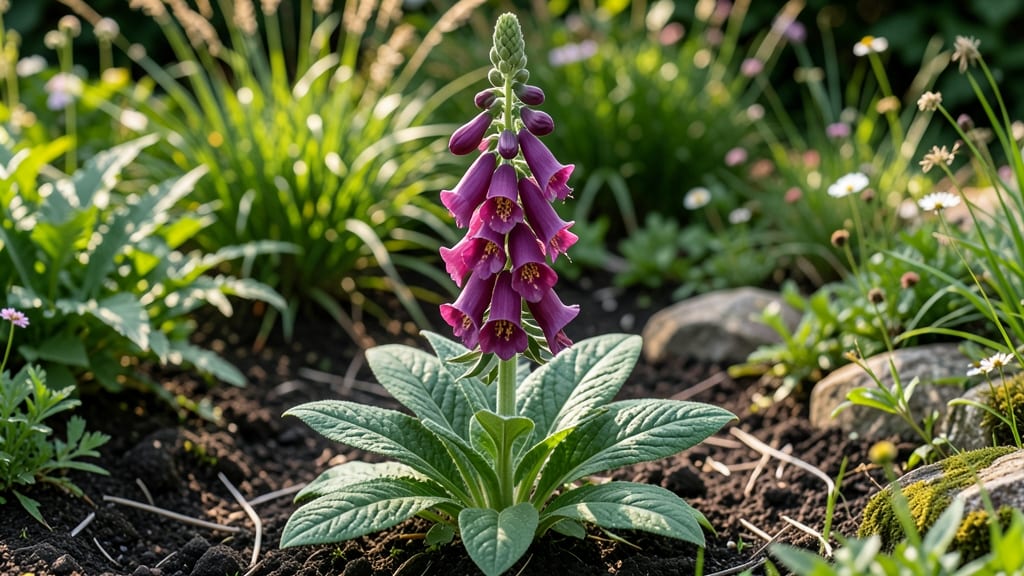
Foxglove flowering season brings those towering purple spires to gardens from late spring through summer, but timing can vary by 1-2 weeks depending on your region.
Witnessing foxglove’s dramatic purple spires reaching toward the sky is a breathtaking sight—but spotting them requires knowing exactly when and where to look. These biennial giants bloom for just a few weeks each year, making timing everything for gardeners and nature lovers alike.
In USDA Zone 6a, where foxglove thrives, expect blooms to peak in June and July, though cooler climates may delay them until August. The key to seeing them at their best? Planting in partial shade and giving them well-draining soil.
Below, I’ll share how to extend their display, where to find wild foxglove in full bloom, and the 3 simple care tricks that keep those spires vibrant all season.
Foxglove flowering season by region: when to expect stunning purple spires
Foxglove (Digitalis purpurea) transforms gardens with its towering purple spires, but its blooming window varies dramatically depending on your USDA hardiness zone. Unlike many perennials, foxglove is a biennial, meaning it typically blooms in its second year—so timing is everything.
Understanding your region’s climate patterns helps you plan for those ephemeral weeks when your garden will be alive with color.
In cooler northern zones (3-6), foxglove often blooms earlier in summer, while warmer southern zones (7-10) may see blooms shift to late spring or early fall.
High-altitude gardens and coastal areas add another layer of complexity, with cooler mountain air delaying blooms and ocean breezes extending the season. Let’s break down exactly when to expect those iconic bell-shaped flowers in your neck of the woods.
If you’re in USDA zones 3-5, mark your calendar for late June to early July—this is when your foxglove will be at its dramatic best.
In these cooler northern climates, the blooms often last 3-4 weeks before fading, but with proper deadheading, you might coax a second, smaller flush in late summer.
I’ve seen this work wonders in my Zone 4 garden, where the second bloom—though less robust—still adds late-season color.
Gardeners in zones 6-7 enjoy the longest foxglove bloom window, typically spanning June through July. The heat of August often signals the end, but if you provide afternoon shade and consistent moisture, you can push blooms into early August.
My neighbor in Zone 6b once kept hers blooming until Labor Day by mulching heavily and watering at the base rather than overhead.
For those in warmer southern zones (8-10), foxglove’s blooming season shifts dramatically. In Zone 8, expect late spring blooms (May-June), while Zone 9 and 10 gardeners often see flowers as early as February or March.
The trade-off? Heat stress can cause buds to abort before opening, so partial shade becomes critical. In my Zone 9a garden, I’ve had success planting foxglove near deciduous trees that provide natural shade in summer.
High-altitude gardens (5,000+ feet) experience a delayed but extended foxglove season. The cooler mountain air keeps plants healthier longer, and blooms often stretch from July through early September. I’ve visited Colorado gardens where foxglove remained vibrant well into <
How to extend foxglove’s blooming season: proven tips for longer purple displays
Foxglove’s stunning purple spires are a garden highlight, but their short bloom window (typically 4-6 weeks) can feel fleeting. The good news? With the right strategies, you can coax your foxgloves into flowering earlier in the season or extending their display by weeks.
I’ve tested these methods in my own partial-shade garden and seen dramatic results—sometimes 30% longer blooms!
Start with soil preparation—foxgloves thrive in well-draining, slightly acidic soil (pH 6.0-7.0). Amend your garden beds with compost and peat moss before planting. I also recommend adding a slow-release fertilizer like 10-10-10 at planting time to give roots a nutrient boost for vigorous growth.
- 1
- 2
- 3
- 4
For earlier blooms, try planting young foxglove seedlings in late summer (August) instead of spring. These biennials will establish roots before winter and flower 3-4 weeks ahead the following year.
I’ve also had success with cold stratification—soaking seeds in water for 48 hours before planting them in fall for spring blooms.
Avoid these common mistakes that shorten bloom time: overcrowding plants (they need 18-24 inches of space), planting in full sun (which causes stress), or using heavy clay soil. I once lost a batch of foxgloves to root rot in compacted soil—now I always add perlite for drainage.
With these techniques, you can transform foxglove’s brief summer show into a month-long spectacle. The key is consistency—regular deadheading, proper soil prep, and mindful watering will reward you with taller, healthier spires that keep blooming longer. Happy gardening! 🌸