
Trees
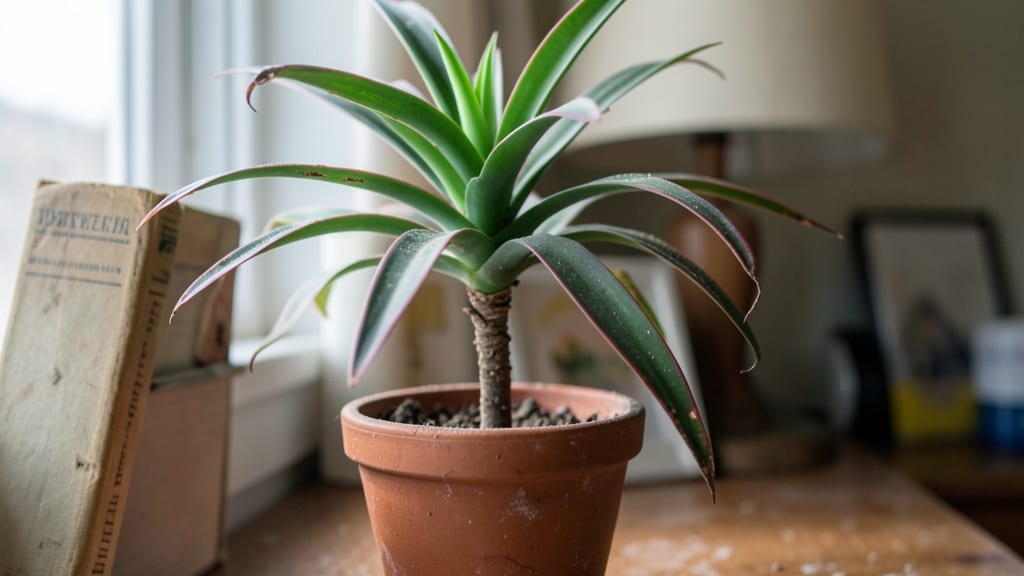
Your dragon tree flower 🌿 is a rare gem—most Dracaena marginata plants take decades to bloom, but with the right care, you can speed up that magic.
Picture this: your towering dragon tree suddenly shoots up a 6-foot stalk topped with clusters of fragrant, waxy flowers—only to have it last just a few weeks. That’s the unpredictable nature of dragon tree blooms, but don’t let it discourage you.
The secret lies in mimicking its natural triggers, from light cycles to seasonal stress.
Here’s the good news: even indoor plants can flower with the right adjustments. I’ll walk you through the exact conditions that coax blooms—like how much light it needs (spoiler: it’s not what you think) and when to tweak your watering routine for maximum impact.
Ready to turn your dragon tree into a flowering superstar? Let’s dive into the science-backed steps that’ll have you spotting that first flower stalk sooner than you’d expect.
Dragon tree flowering cycle: when and why blooms appear (with age & care factors)
Your dragon tree (Dracaena marginata) may take 10-15 years to produce its first flower, but understanding its natural flowering triggers can help you anticipate—or even encourage—this rare event. Unlike many houseplants, dragon trees rely on maturity, light exposure, and seasonal stress to trigger bloom development.
These factors work together through a process called photoperiodism, where daylight length signals the plant to shift from vegetative growth to reproductive mode.
The dragon tree flower emerges as a panicle (a branched cluster) from the plant's central cane, often reaching 1-2 feet long and bearing small, fragrant white or pale green blooms.
Recognizing pre-flowering signs—like thicker cane bases or new growth slowdowns—can give you a 6-12 month heads-up before the flower stalk appears. This cycle is deeply tied to the plant's age, light conditions, and dormancy periods, which we'll explore in detail below.
The age factor is the most critical determinant for dragon tree flowering. Most specimens won't produce flowers until they've reached maturity (10+ years), though indoor plants may take even longer due to limited light exposure.
In their native Madagascar habitat, dragon trees experience distinct dry seasons, which trigger dormancy and subsequent flowering. Mimicking this cycle with reduced watering in winter can help signal your plant to bloom.
Light plays a direct role in flower initiation. Dragon trees native to tropical forests rely on photoperiodism—the plant's internal clock responds to changing daylight hours. To encourage blooming, provide 6-8 hours of bright indirect light daily, especially in late winter/early spring when days lengthen.
Outdoor plants in USDA Zone 10+ may bloom annually, while indoor specimens often need grow lights to meet these requirements.
Watch for pre-flowering signs like thickened cane bases or new growth slowdowns in late winter. These indicate the plant is shifting energy from foliage to flower development.
Another clue is the emergence of a flower stalk bud from the central cane—this 1-2 inch tall bump will eventually elongate into the panicle flower. If you notice these signs, your dragon tree is likely 6-12 months from blooming.
Stress—when used strategically—can also trigger flowering. Mild drought stress in winter (allowing the top 1-2 inches of soil to dry between waterings) mimics natural conditions. However, avoid severe dehydration, which can harm the plant.
Similarly, a 10°F drop in nighttime temperatures (if your climate allows) can stimulate bloom formation, though indoor plants won't experience this naturally.
The dragon tree flower itself is a panicle inflorescence, meaning it features a central stem with branching clusters of small, white or pale green flowers. Each bloom is fragrant and short-lived (2-4 weeks), but the flower stalk itself may persist for months.
After blooming, the stalk will yellow and die back, but this is natural—don't prune it until it
7 Natural ways to encourage dragon tree flowers without chemicals or gimmicks
Your dragon tree (Dracaena marginata) may take years to bloom, but with the right organic triggers, you can accelerate this process naturally. Unlike common myths suggesting overwatering causes flowers, science shows blooming depends on light exposure, seasonal stress, and pruning techniques.
These methods mimic the plant's natural environment without synthetic shortcuts.
Dragon trees flower as a response to environmental cues like shorter daylight hours and nutrient fluctuations. By adjusting your care routine during late summer to early fall, you can signal to your plant that it's time to produce those rare, fragrant blooms.
Let's explore seven proven techniques to encourage flowering without chemicals or gimmicks.
- 🌞 Extend daylight exposure to 12-14 hours using a grow light during winter months when natural light decreases.
- 🌡️ Simulate seasonal stress by reducing water to every 3-4 weeks in late fall, then gradually increasing in spring.
- 💧 Adjust humidity to 40-50% during growing season by placing a pebble tray under the pot.
- ✂️ Prune selectively by removing 1/3 of the oldest canes in early spring to redirect energy toward new growth.
- 🌱 Repot in spring using fresh, well-draining soil with added orchid bark to improve aeration.
- 🌿 Fertilize lightly with low-nitrogen (5-10-10) fertilizer every 6-8 weeks during active growth.
- 🌡️ Introduce temperature fluctuations by moving the plant outdoors during mild days (50-75°F) in late spring.
One of the most effective methods is light manipulation. Dragon trees need bright, indirect light year-round, but they respond to extended daylight in winter. Place your plant near an east-facing window or supplement with a full-spectrum LED grow light for 12-14 hours daily.
This mimics the longer days of summer, signaling the plant to prepare for flowering.
Contrary to popular belief, overwatering doesn't encourage blooms—it actually suppresses them. Instead, practice seasonal water adjustments. During late fall and winter, reduce watering to every 3-4 weeks, allowing the top 2-3 inches of soil to dry out completely.
This controlled drought stress triggers natural hormonal changes that promote flower stalk development.
Humidity plays a crucial role in dragon tree health, especially for indoor plants. Maintain 40-50% humidity by using a humidifier or placing the pot on a pebble tray filled with water and pebbles.
Mist the leaves occasionally, but avoid letting water sit on the foliage for extended periods to prevent fungal issues. Proper humidity levels help the plant conserve energy, which it can then redirect toward flowering.
Pruning isn't just for shaping—it's a flowering trigger. In early spring, remove 1/3 of the oldest canes at the base using sterilized pruners. This stimulates the growth of new, younger canes that are more likely to produce flowers.
Always prune just above a leaf node to encourage branching and energy redistribution within the plant.
Finally, avoid fertilizing heavily during the fall and winter months. While a light application of balanced fertilizer (5-10-10) every 6-8 weeks in spring and summer supports growth, excessive nutrients can delay flowering.
Let your dragon tree experience a natural nutrient withdrawal during its dormant period—this mimics outdoor conditions and encourages the development of flower buds.