
Shrubs
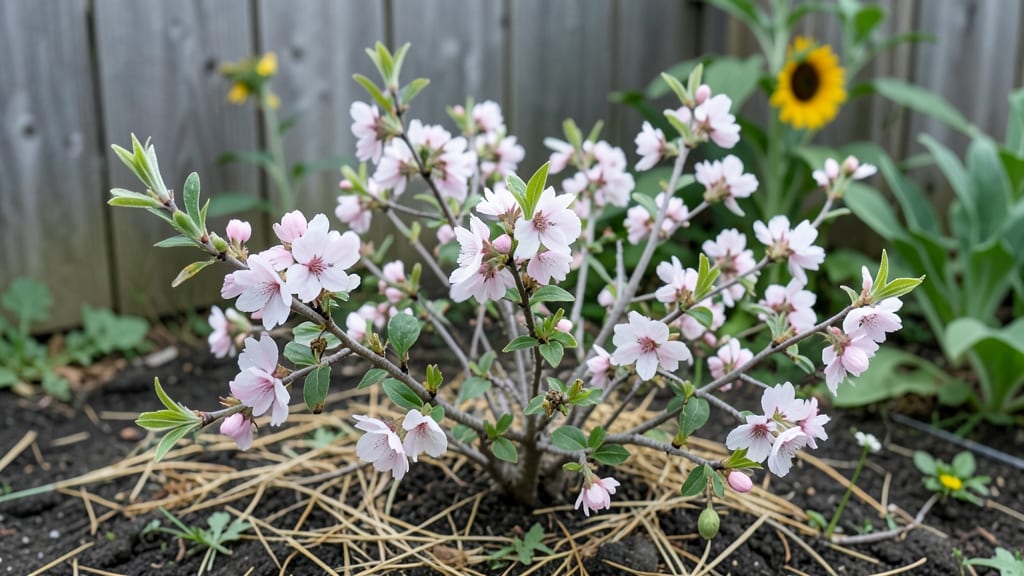
Growing a dwarf flowering almond 🌸 lets you enjoy fragrant pink blooms in tiny spaces without the fuss of a full-sized tree.
Imagine a tree that bursts with fragrant pink blossoms year-round—without taking up your entire backyard. The dwarf flowering almond (Prunus glandulosa) makes this dream possible, offering stunning blooms in compact form for containers, patios, or small gardens.
If you’ve ever wished for a low-maintenance shrub that brightens up your space with minimal effort, this is it. With the right care, your dwarf flowering almond can thrive in USDA Zone 6a and beyond, delivering season-long color with almost no upkeep.
In this guide, I’ll walk you through everything from planting in early spring to keeping your shrub healthy all year—plus creative ways to use it in your landscape.
How to choose the best dwarf flowering almond varieties for small gardens
Selecting the right dwarf flowering almond variety can transform your small garden into a fragrant paradise. These compact trees thrive in containers or tight spaces while delivering year-round blooms and minimal maintenance.
With three top varieties to choose from, each offers unique color and growth habits perfect for different garden styles.
Before deciding, consider your USDA hardiness zone (most thrive in zones 5-8), preferred bloom color, and available space. Whether you want pink cascades or snow-white clusters, there’s a perfect match for your vision. Let’s explore the best dwarf almond cultivars side by side for easy comparison.
🌸 Comparison Table: Top Dwarf Flowering Almond Varieties
'Pink Perfection' stands out for its romantic pink blooms and upright form, making it ideal for patio focal points. This variety thrives in full sun and tolerates dry spells once established, perfect for low-maintenance gardens. Its 4-5 foot height fits neatly in small yards or large containers.
'Snow Fountain' is my go-to for elegant white cascades that brighten shady corners. Its weeping branches create a dramatic waterfall effect, ideal for hanging baskets or trellises. This 3-4 foot beauty loves morning sun and adds winter interest with bare branches that showcase its graceful shape.
'Royal Velvet' delivers bold magenta blooms that pop against green foliage. This 5-6 foot shrub is perfect for privacy screens or garden borders, especially in warmer climates (zones 6-8). Its dense growth habit creates a living wall with minimal effort.
For container gardening, prioritize 'Snow Fountain' or 'Pink Perfection' due to their compact sizes. Both thrive in 15-gallon pots with well-draining soil and regular pruning to shape their growth. If you have limited space, these varieties won’t disappoint.
Consider your local climate when choosing. 'Royal Velvet' may struggle in colder zones (below 6), while 'Pink Perfection' handles USDA zone 5 with ease. Always check your last frost date and plant after April 15 for best results.
Pro tip: Pair your dwarf almond with lavender or dwarf boxwood to create a low-maintenance pollinator garden. The fragrant blooms will attract bees and butterflies while adding year-round color to your space.
Ready to pick your perfect dwarf flowering almond? Start by sketching your garden layout and choosing a variety that matches your color palette and space constraints. With the right choice, you’ll enjoy stunning blooms for decades with minimal effort. 🌿
Step-by-step guide to planting and caring for dwarf flowering almond trees
Transforming your small space into a fragrant paradise starts with planting your dwarf flowering almond. These charming shrubs thrive in tight spots but need precise care to reward you with abundant pink blooms.
Whether you're planting in containers or garden beds, follow these expert steps to ensure your tree grows strong and flourishes year after year.
Before you begin, gather your tools: gloves, trowel, mulch, and a balanced fertilizer. The key to success lies in proper soil prep, ideal sunlight exposure, and consistent care.
Let's dive into the step-by-step process that will have your dwarf almond bursting with color in no time.
Avoid these common mistakes that can stunt your dwarf flowering almond's growth: planting in shady spots, overwatering (especially in winter), or pruning too late in the season. These errors can lead to fewer blooms or even plant death.
Once established, your dwarf flowering almond will need minimal care but still benefits from seasonal adjustments. In fall, add a light layer of mulch to protect roots from frost. In winter, avoid pruning unless necessary, as new growth is vulnerable to cold.
With these steps, your dwarf flowering almond will thrive for years, gracing your space with fragrant pink blooms that attract pollinators and brighten your days. Happy gardening! 🌸