
Shrubs
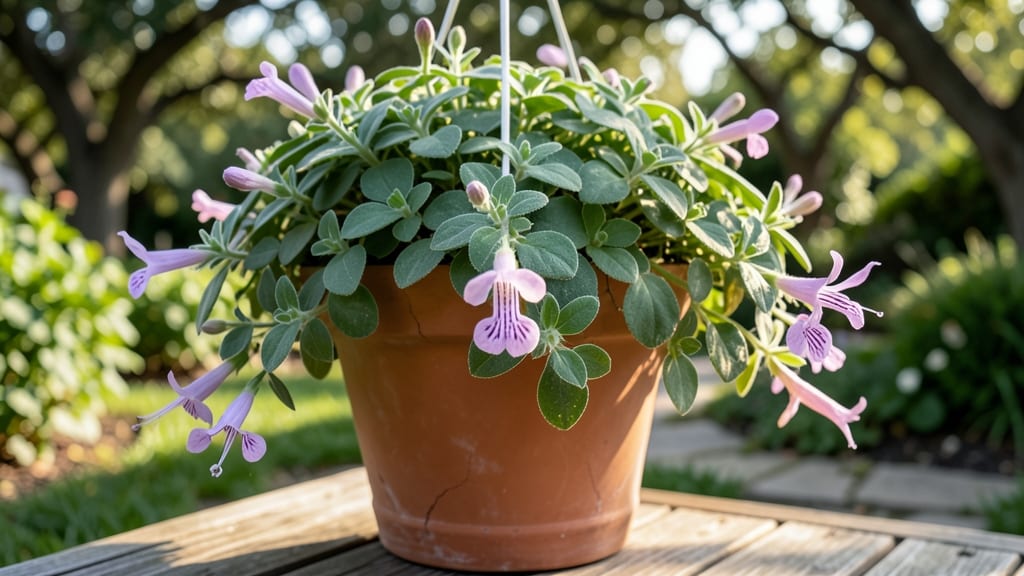
Wishbone flowers thrive in sun or shade, but their light needs depend on the variety you’re growing 🌸 — and getting it wrong can mean fewer blooms or leggy plants.
Picture this: your Torenia fournieri is stretching toward the light like a sleepy cat, its stems thin and its flowers sparse. That’s a classic sign of light stress, whether it’s too much sun or not enough.
The good news? With a few simple adjustments, you can keep your wishbone flowers happy year-round, no matter where they’re planted.
Some varieties, like the bold ‘Blue Wishbone,’ bask in morning sun but beg for shade by afternoon, while others, such as the delicate ‘Pink Cascade,’ do just fine in dappled light.
Below, I’ll break down the ideal light setup for each type, plus how to tweak your garden for peak blooms in every season.
You’ll also learn how to spot light-related problems early—like yellowing leaves or buds that refuse to open—and fix them before they derail your garden. Ready to unlock the secret to lush, vibrant wishbone flowers? Let’s dive in.
 Best Window Placement
Wishbone flower varieties: sun vs. shade requirements by type
The wishbone flower (Torenia) family includes stunning varieties that thrive under different light conditions. While many gardeners assume all Torenia fournieri varieties need partial shade, some actually crave full sun for vibrant blooms.
Understanding these light spectrum preferences is key to maximizing your garden's beauty. Let’s explore the most popular types and their ideal lighting scenarios.
Most wishbone flowers fall into three broad categories: full-sun lovers, partial-shade adaptors, and deep-shade specialists. Each type responds differently to light intensity, which directly impacts bloom size, color intensity, and plant health.
For example, Torenia concolor varieties often tolerate more direct sunlight than their delicate cousins, making them perfect for sunnier garden spots.
Before choosing a variety, consider your garden’s microclimate. A north-facing patio might need shade-tolerant hybrids, while a south-facing border could accommodate sun-loving Torenia varieties. The right placement ensures your plants stay compact, blooming, and disease-resistant—not stretched or stressed.
If you’re growing Torenia fournieri 'Blue Wishbone', aim for 3-6 hours of morning sun paired with afternoon shade. This variety avoids wilting in hot afternoons while still producing vibrant blue-violet blooms.
For containers or hanging baskets, place them near an east-facing window or under a light dappled tree.
The Torenia concolor 'Sunny Wishbone' series is a game-changer for sunny gardens. These full-sun lovers thrive with 6+ hours of direct sunlight and even tolerate drought conditions better than most Torenia. Their pink, red, and white blooms stay brightest when planted in well-draining soil with mulch to retain moisture.
For deep-shade gardens, Torenia fournieri 'Black Velvet' is a stunning choice. This variety requires only 2-3 hours of indirect light daily but may become leggy without proper pruning.
Pinch back stems regularly to encourage bushier growth and more blooms. It’s perfect for woodland gardens or north-facing walls where other flowers struggle.
Hybrid varieties like 'Wishbone Mix' offer the best of both worlds. These partial-shade adaptors
How to adjust light for wishbone flowers in different climates
Wishbone flowers (Torenia) are famously adaptable, but their light needs shift dramatically between hot summers, cold winters, and mixed-light zones. In Zone 6a climates, I’ve learned the hard way that afternoon sun can scorch leaves while deep shade stunts blooms.
The key is strategic adjustments—like pruning, mulching, and companion planting—to keep your plants thriving year-round.
Start by observing your garden’s microclimates. A north-facing bed stays cooler, while a south side bakes by noon.
Wishbone flowers handle partial shade best (4–6 hours of filtered light), but varieties like Torenia fournieri ‘Blue Wishbone’ can tolerate morning sun if shaded after 10 AM. In shady spots, supplement with a grow light for 4–6 hours daily to prevent leggy stems.
🌱 Numbered Highlights: Adjusting Light by Season
- 🌞 Summer (June–August): Move containers to dappled shade by 12 PM. Use white shade cloth (30%) to filter harsh rays. Prune spent blooms weekly to encourage airflow and reduce heat stress.
- 🌧️ Spring/Fall (April–May, Sept–Oct): Transition plants gradually to fuller sun. Harden off seedlings by exposing them to 1 extra hour of light daily over 7–10 days.
- ❄️ Winter (Nov–March): Group plants near south-facing walls or use clear plastic domes to capture sunlight. Reduce watering by 50% to prevent root rot in soggy soil.
- 🌿 Mixed-Light Gardens: Pair wishbone flowers with tall grasses (Miscanthus) or hostas to create natural shade. Avoid planting under dense trees like maples, which block light entirely.
- 💡 Low-Light Fixes: Add a 15W LED grow bulb 12 inches above plants for shady balconies. Rotate pots weekly to ensure even growth.
For container gardens, choose pots with light-colored surfaces to reflect heat. I use terracotta for summer and black plastic in winter to absorb warmth. Mulch with straw or pine needles to regulate soil temperature—2–3 inches keeps roots cool in summer and insulated in winter.
Companion planting works wonders. Pair wishbone flowers with sweet alyssum to deter pests while adding low-light tolerance. Avoid petunias or geraniums, which compete for light and nutrients. In urban gardens, place them near patio umbrellas for adjustable shade on scorching days.
Watch for seasonal light cues: In winter, stems stretch toward windows? It’s time for a grow light. By summer, leaves yellowing at the edges? Increase airflow with pruning shears and move plants to morning sun only.
Small tweaks like these keep your wishbone flowers blooming 12 months a year—even in tricky climates.
Pro tip: Use a light meter app (like PhotoPills) to track lux levels. Aim for 10,000–20,000 lux in summer and 5,000–10,000 lux in winter. Adjust your setup based on real-time data, not guesswork. Your wishbone flowers will thank you with vibrant blooms from spring to frost! 🌸