
Trees
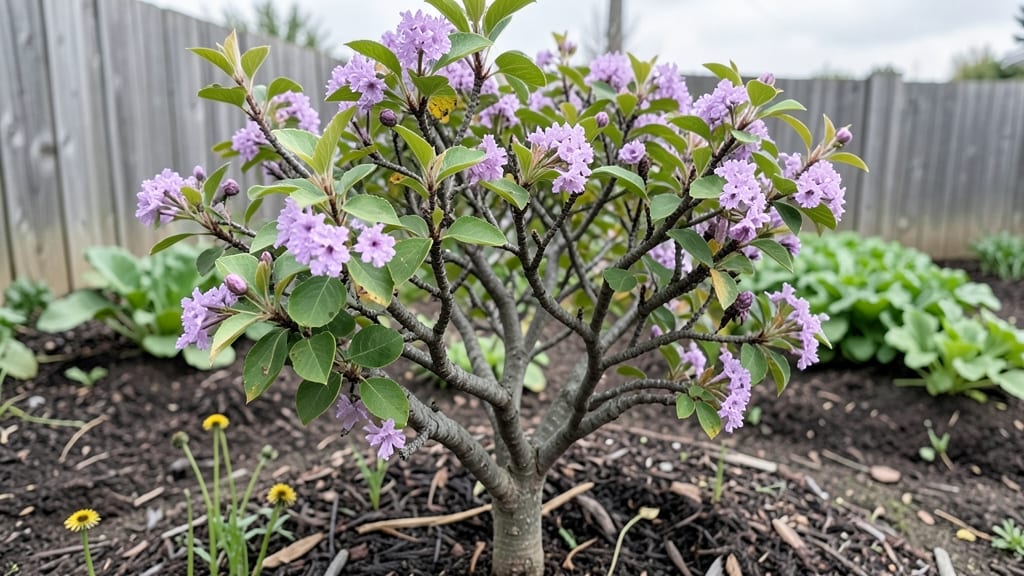
Growing a dwarf flowering tree 🌸 lets you enjoy a full-size garden’s beauty without the space—think fragrant blooms and year-round interest in a container or tight corner.
Picture this: your balcony bursting with color, or a tiny front yard transformed into a cottage garden with trees that stay small but never skimp on showstopping flowers. The secret? Choosing the right variety and giving it the care it craves—no green thumb required.
These compact powerhouses thrive in USDA Zone 6a and beyond, with most varieties blooming from spring through fall. Whether you’re drawn to the delicate lace of a Japanese Maple or the bold bursts of a Dwarf Cherry, we’ll walk you through selecting, planting, and keeping yours flourishing for years.
From picking the perfect spot to troubleshooting pesky pests, you’ll learn how to turn even the smallest space into a lush, fragrant retreat—without sacrificing style or ease of care.
Top 5 dwarf flowering trees for small spaces and containers
If you dream of a lush garden but have limited space, dwarf flowering trees are your perfect solution. These stunning varieties deliver vibrant blooms and year-round interest while staying compact enough for containers or small yards.
Whether you crave delicate Japanese maples or bold crape myrtles, these five varieties bring beauty without the bulk.
I’ve selected these low-maintenance champions based on their adaptability, bloom duration, and container-friendliness. From early spring blossoms to fall foliage, each tree offers something unique while thriving in tight spaces. Let’s dive into the top picks that’ll transform your patio or balcony into a floral paradise.
🌿
First up is the Japanese Maple 'Drummondii', a compact powerhouse with vibrant orange-red foliage and delicate spring blooms. This variety thrives in partial shade, making it perfect for urban patios or shaded balconies.
Its slow-growing habit keeps it manageable in 15-gallon containers, while its cold-hardiness ensures year-round reliability in zones 5-8.
For summer-long color, the Dwarf Crape Myrtle 'Arapaho' delivers lavender-pink blooms from June to September. This drought-tolerant beauty loves full sun and develops stunning exfoliating bark in winter.
With a mature height of just 6-8 feet, it’s ideal for large containers (25+ gallons) or as a focal point in small gardens.
🌸
If you adore fragrant spring blooms, the Flowering Quince 'Golden Showers' is a must-have. Its bright yellow flowers appear in early spring, often before leaves emerge, filling your space with a citrusy scent.
This disease-resistant tree handles full sun to partial shade and fits well in 20-gallon containers. Plus, its thornless branches make it pet-friendly.
The Dwarf Korean Lilac 'Palibin' is a late-spring stunner with compact purple-pink blooms that attract pollinators. Unlike its full-sized cousins, this variety stays under 6 feet tall and thrives in full sun.
It’s perfect for small containers (15+ gallons) and offers long-lasting fragrance, making it ideal for outdoor dining areas or near
How to choose the perfect dwarf flowering tree for your space
Selecting the right dwarf flowering tree for your space starts with understanding your unique growing conditions. Whether you have a cozy balcony garden or a small backyard nook, the wrong choice can lead to disappointment.
I’ve learned that sunlight exposure, container size, and climate compatibility are the three pillars of success—skipping any of these can mean fewer blooms or stunted growth. Let’s break down how to match your space with the perfect tree.
First, consider your sunlight requirements. Some dwarf trees thrive in full sun, while others prefer partial shade. For example, a Japanese Maple 'Drummondii' loves dappled light, while a Dwarf Crape Myrtle demands at least 6 hours of direct sun daily.
Misjudging this can result in sparse foliage or no flowers at all. I always check my garden’s sun patterns for at least a week before committing to a purchase.
Key Factors for Choosing Your Dwarf Flowering Tree
- Sunlight Needs: Match your tree to your space’s light—full sun (6+ hours), partial shade (3-6 hours), or full shade (under 3 hours). Example: Weeping Honeysuckle thrives in partial shade.
- Container vs. In-Ground: Potted trees need containers 12-18 inches wider than their root ball. In-ground planting allows deeper root systems but requires well-draining soil.
- Seasonal Interest: Look for trees with spring blooms, summer foliage, or fall color. A Flowering Quince offers fragrant spring blooms and vibrant fall leaves.
- Climate Suitability: Check your USDA hardiness zone. For example, Dwarf Cherry Trees (Zones 5-8) may struggle in Zone 3 winters.
- Mature Size: Ensure the tree fits your space—3-6 feet tall for containers, 6-10 feet for in-ground planting. Always account for spread width too!
Next, decide between container gardening and in-ground planting. Containers offer flexibility but require regular watering and fertilizing. I’ve found that dwarf cherry trees in 18-inch pots need watering every 3-5 days in summer, while in-ground trees can go 10-14 days between waterings.
If you’re unsure, start with a container—it’s easier to relocate if needed.
Don’t overlook seasonal interest. A tree that blooms in spring only might leave your garden dull for the rest of the year. Instead, opt for varieties like the Dwarf Crape Myrtle, which offers summer blooms and winter interest with its exfoliating bark.
I always sketch my garden’s seasonal highlights to visualize how each tree will contribute year-round.
Finally, verify climate suitability and mature size. A 6-foot tree in a 4-foot-wide patio will quickly become a problem. Measure your space carefully and choose a tree that stays within those limits.
For example, the Japanese Maple 'Drummondii' maxes out at 5 feet tall and 4 feet wide, making it ideal for small yards.
With these factors in mind, you’re ready to pick the perfect dwarf flowering tree for your space. Remember, the best choice balances your light conditions, planting method, and long-term growth. Happy gardening! 🌸🌿