
Flowers
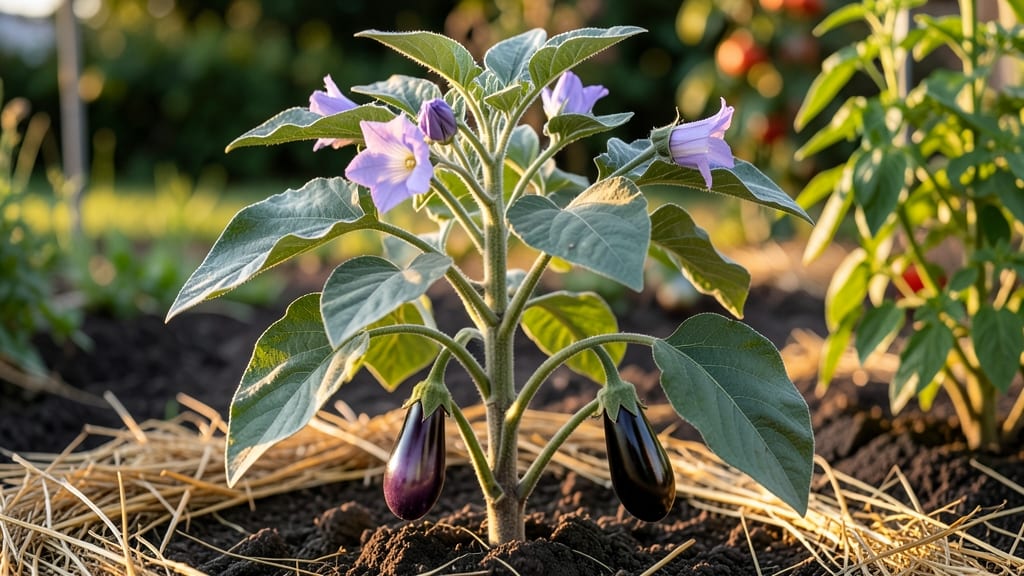
Identifying and managing eggplant flower buds is the key to turning those purple blooms into a bountiful harvest of 🍆.
Struggling with eggplant plants that produce flowers but no fruit? The secret lies in understanding when—and how—to prune those delicate flower buds to maximize yield and avoid energy waste.
Too many gardeners focus only on sunlight and water, but the real game-changer is knowing which buds to keep and which to trim. A single misstep can leave you with a plant full of blossoms and no fruit to show for it.
In this guide, I’ll walk you through how to spot the best buds for pruning, the right time to do it, and the common mistakes that waste your plant’s energy—so you can end up with a table full of glossy, ready-to-cook eggplants by harvest season.
How to identify the best eggplant flower buds to prune for maximum fruit
Eggplant plants can produce hundreds of flowers, but not all will develop into fruit. The key to maximizing your harvest lies in understanding which flower buds to prune and which to keep.
Male flowers are sterile and waste plant energy, while female flowers hold the potential for fruit. Learning to distinguish between them ensures your eggplant directs its energy where it matters most.
Pruning male flowers early in the season encourages the plant to focus on developing female flowers later, leading to a higher yield. Even experienced gardeners sometimes struggle with this distinction, but with a few simple visual cues, you can become an expert.
The difference lies in the bud structure, stem attachment, and even the size of the flower.
Why pruning matters: Each male flower your plant produces diverts energy away from potential fruit. By removing them, you're essentially telling your eggplant, "Save your strength for the important stuff." This practice is especially critical in container gardens or when growing small-fruited varieties, where resources are limited.
Here’s the secret: female flower buds have a tiny eggplant-shaped swelling at their base, while male buds are smooth. This swelling is your fruit indicator—if you see it, keep the bud.
If not, it’s time to prune. This visual difference becomes more pronounced as the buds mature, making it easier to identify them as they grow.
Timing is everything. The best time to prune is in the early morning when the buds are still firm and turgid. This reduces stress on the plant and allows it to recover quickly.
Avoid pruning in the heat of the day, as the plant’s energy is already focused on surviving high temperatures rather than healing.
Now, let’s break down the key differences between male and female flower buds in a simple comparison table to help you make quick decisions while working in your garden.
| Characteristic | Male Flower Buds (Prune) | Female Flower Buds (Keep) |
|---|---|---|
| Bud Shape | Smooth, elongated, and pointed | Swollen base with tiny eggplant shape |
| Stem Attachment | Attached directly to the stem | Attached to a small, swollen ovary |
| Size | Smaller, often 1-2 inches long | Slightly larger, 1.5-3 inches long |
| Energy Impact | Wastes energy; no fruit potential | Produces fruit; prioritize keeping |
| Best Time to Prune | Early morning or late afternoon | Never prune; let develop into fruit |
Once you’ve identified the female flower buds, let them bloom naturally. These buds will eventually open into flowers and, if pollinated, develop into fruit. However, even female flowers can fail to produce fruit if the plant is stressed or lacks proper care.
Ensure your eggplant receives consistent watering and balanced fertilization to support fruit development.
If you’re growing eggplants in containers, be extra vigilant about pruning male flowers. Container-grown plants have limited resources, so every male flower removed means more energy for the remaining buds to develop into fruit.
Consider using a small pair of pruning shears for precision, especially when working in tight spaces.
Don’t forget to monitor your plant’s overall health. Yellowing leaves or stunted growth can signal stress, which may reduce the number of female flowers. Addressing these issues early—such as adjusting watering habits or providing shade on hot days—can help your eggplant redirect energy toward fruit production.
With practice, identifying and pruning male flower buds will become second nature. Soon, you’ll notice a significant increase in the number of fruit-producing flowers on your eggplant, leading to a bountiful harvest. Happy pruning! 🌱
Step-by-step guide to pruning eggplant flower buds for optimal yield
Pruning eggplant flower buds is one of the most effective ways to boost fruit production, but timing and technique matter. When done correctly, you redirect your plant’s energy from sterile male flowers to fertile female flowers, ensuring a bountiful harvest.
The key is acting early—before buds open—and using the right tools to avoid stressing your plants.
I’ve pruned hundreds of eggplant plants, and the difference between cautious pruning and aggressive trimming is night and day. Start by focusing on young plants (under 6 weeks old) and avoid pruning after mid-summer when energy should shift to fruit development.
Let’s dive into the exact steps to follow for maximum yield.
Step-by-Step Pruning Guide
- 1 Choose the right time: Prune in early morning or late afternoon when temperatures are mild (below 85°F). Avoid midday heat to prevent plant shock.
- 2 Use clean, sharp tools: Sterilize pruning shears or scissors with rubbing alcohol to prevent disease. Dull tools crush stems, inviting infections.
- 3 Identify male vs. female buds: Male buds have long, slender stems with no swelling at the base. Female buds have a small egg-shaped swelling (future fruit) near the stem.
- 4 Prune only male buds: Cut male buds 1/4 inch above a leaf node to encourage new growth. Never prune female buds—these will produce fruit!
- 5 Limit pruning to 20% of buds: Over-pruning stresses plants. Remove no more than 1 in 5 male buds per plant weekly to maintain energy balance.
- 6 Monitor plant response: After pruning, check for new female buds within 7–10 days. If leaves yellow or wilt, reduce pruning frequency.
- 7 Stop pruning in late summer: Once fruit sets (typically after July in most climates), focus on watering and fertilizing to support existing fruits.
Timing is everything when pruning eggplant flower buds. Young plants (under 4 weeks old) can handle minimal pruning, while mature plants (over 8 weeks) may need more aggressive bud removal to prevent energy drain. Always prioritize female buds—these are your ticket to a harvest!
One common mistake I see is pruning too late in the day, which stresses plants and slows recovery. Stick to cool hours and avoid rainy days to keep cuts dry and reduce disease risk. With practice, you’ll spot the perfect buds to prune in minutes.
Pro tip: Pair pruning with a light fertilizer application (like fish emulsion) to give your eggplants a post-pruning boost. This combo maximizes fruit production and keeps plants thriving all season long.