
Vegetables
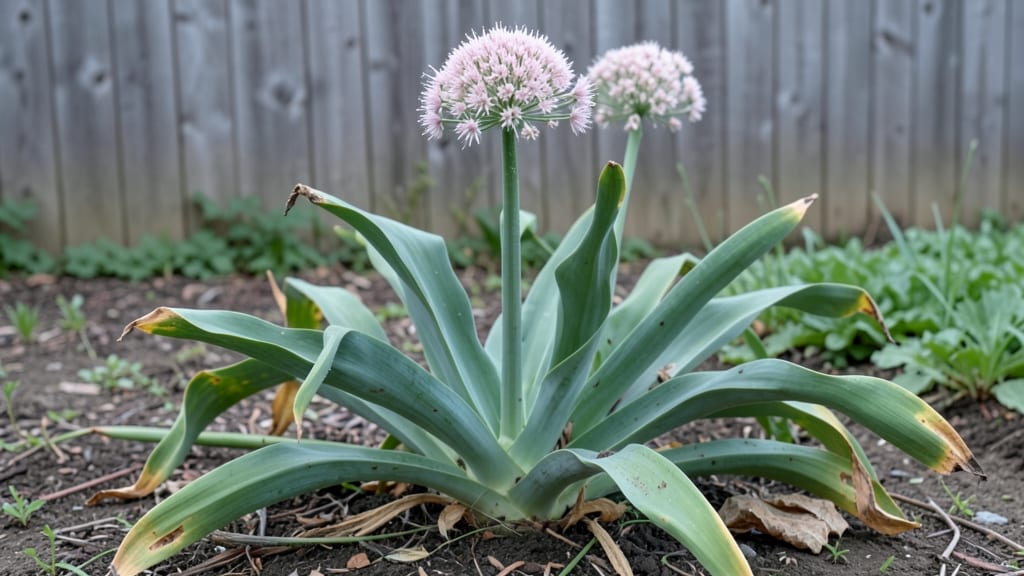
Elephant garlic flowering signals a natural shift in its growth cycle 🧄—and whether you’re growing it for bulbs or seeds, understanding this phase is everything.
If you’ve ever watched your towering stalks reach for the sky while your bulb harvest dwindles, you’re not alone. This dramatic change isn’t just about beauty; it’s a critical moment that determines whether your next harvest will be bountiful or disappointing.
The timing of flowering depends on your planting window—typically late spring or early summer—but the real secret lies in how you respond. Should you snip those stalks to redirect energy to your bulbs, or let them stand for future crops?
The answer depends on your goals and a few simple adjustments.
In this guide, I’ll break down exactly when to expect blooms, how to manage them for the best harvest, and what happens after those flowers fade—so you can turn your elephant garlic’s natural instincts into a gardening advantage.
When does elephant garlic flower and what triggers the blooming process?
Elephant garlic (Allium ampeloprasum) typically flowers in late spring to early summer, around May to June in most U.S. growing zones.
Unlike regular garlic, which rarely flowers in cultivation, elephant garlic often produces tall, dramatic flower stalks—sometimes reaching 3 to 5 feet high—as part of its natural life cycle. This shift from bulb production to flowering can feel sudden, but it’s a predictable response to environmental cues.
Understanding these triggers helps you predict blooming times and decide whether to encourage or remove the flower stalks. The blooming process is closely tied to daylength, temperature, and the plant’s age, making it easier to anticipate than you might think.
For example, garlic planted in fall (the recommended time) will typically flower the following spring or early summer, depending on your climate zone.
Here’s how the process works: After planting cloves in late summer or fall, the plant focuses on establishing roots and storing energy in the bulb. By spring, when daylight hours increase and temperatures rise, the plant shifts its energy toward producing flowers.
This is a photoperiodic response—meaning the plant detects longer daylight and triggers flowering, similar to how many other biennials behave.
The temperature threshold for flowering usually kicks in when soil temperatures consistently stay above 50°F (10°C). In cooler climates (USDA zones 3-6), flowering may be delayed until late May or June, while warmer regions (zones 7-10) can see blooms as early as April.
This variation explains why gardeners in California might spot flowers weeks earlier than those in New England.
One common misconception is that flowering always reduces bulb size, but this isn’t strictly true. While the plant’s energy is divided between bulb development and flower production, well-established elephant garlic can still produce large, flavorful bulbs even after flowering.
The key difference is that younger plants (first-year garlic) may prioritize flowering over bulb growth, while mature plants (second-year or older) often balance both.
To predict flowering time for your specific region, start by noting your last frost date and average spring temperatures.
For instance, if your last frost is April 15 and soil warms to 50°F by early May, expect flowers to appear 6 to 8 weeks later, around mid-to-late June. Tracking these patterns year after year will help you fine-tune your expectations.
Regional variations play a huge role in flowering timing. In northern climates like Minnesota or Maine, where winters are long and cold, elephant garlic may not flower until July, as the plant needs more time to recover from dormancy.
Conversely, in southern states like Texas or Florida, where winters are mild, flowering can start as early as March, aligning with the region’s natural growing season.
If you’re growing elephant garlic for bulbs (not seeds), you might wonder whether flowering is a sign of trouble. The truth? It’s completely normal and part of the plant’s life cycle. The challenge lies in managing the trade-off between bulb size and flower production.
For example, if you remove flower stalks early, the plant can redirect energy back to the bulb, potentially increasing its size. However, this isn’t always necessary—many gardeners let stalks grow for aesthetic appeal or to attract pollinators.
Here’s a quick way to identify flowering triggers in your garden: Observe when your elephant garlic sends up scape stalks (the hollow, round stems that precede flowers). These usually appear 4 to 6 weeks before blooms open.
If you notice scapes in early May, expect flowers by mid-to-late June. This early warning sign gives you time to plan for harvest timing or flower removal, depending on your goals.
Another factor to consider is planting depth and spacing. Cloves planted too shallow (less than 4 inches deep) or too close together (less than 6 inches apart) may produce smaller bulbs and flower earlier, as the plant struggles to compete for resources.
Aim for 6-8 inches of space between cloves and 4-6 inches of depth to encourage stronger bulb development and delay flowering if desired.
Finally, remember that elephant garlic is a perennial in mild climates, meaning it can re-flower for multiple years if left undisturbed. In colder regions, however, it’s typically treated as a biennial—flowering in its second year before dying back.
This perennial habit is one reason why some gardeners choose to let a few stalks flower each year, ensuring a steady supply of seeds for future crops.
🌱