
Container Gardens
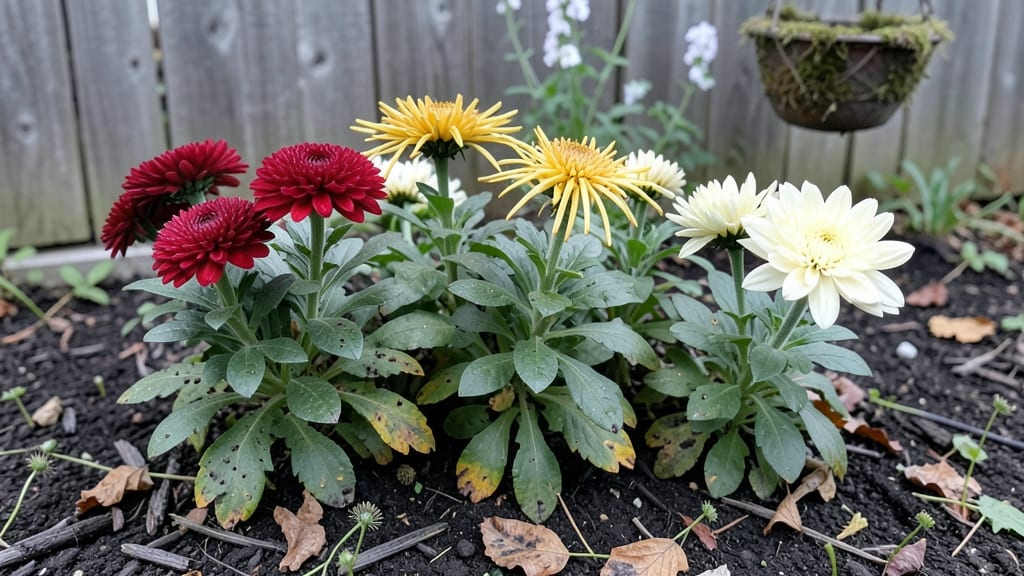
Creating fall flower baskets that stay vibrant through winter is easier than you think—and the right plant mix makes all the difference.
Autumn’s fiery hues don’t have to fade when winter arrives. With the right perennials and cold-hardy blooms, your porch or patio can stay colorful from September to spring. The secret? Choosing plants that thrive in cooler weather and layering them for year-round resilience.
You don’t need a green thumb to pull this off. Pansies, chrysanthemums, and ornamental grasses are just a few of the 12-month varieties that keep baskets blooming even when temperatures drop.
Below, I’ll show you how to pick the perfect mix, layer for winter survival, and avoid common mistakes that kill fall baskets.
Ready to transform your space into a four-season showstopper? Let’s get started with the best plants and care tips to keep your fall flower baskets looking fresh all year.
12 Best year-round flower baskets for fall planting
Fall doesn’t have to mean the end of vibrant blooms—with the right year-round flower baskets, your porch can stay colorful through winter and into spring. The key lies in mixing cold-hardy annuals, evergreen foliage, and perennial workhorses that thrive in cooler temperatures.
These combinations not only survive frost but often rebound beautifully when spring arrives. Think pansies, heuchera, and ornamental grasses paired with seasonal favorites like chrysanthemums and snapdragons for a seamless transition.
For fall planting success, prioritize drainage, insulation, and sunlight needs. Most baskets need 6+ hours of sun for peak blooms, but shade-tolerant varieties like heuchera and ivy can handle partial shade.
Layering plants—placing heavier root systems at the bottom and delicate blooms on top—ensures stability and longevity. With the right mix, your baskets can bloom from September through March, giving you a 12-month color show with minimal effort.
| Basket Type | Sun Needs | Key Plants | Winter Care | Bloom Season |
|---|---|---|---|---|
| Sun-Loving Baskets | Full Sun (6+ hrs) | Chrysanthemums, Pansies, Ornamental Kale, Sedum | Wrap in burlap, reduce watering | Sep-Mar |
| Shade Baskets | Partial Shade (3-6 hrs) | Heuchera, Ivy, Ferns, Cyclamen | Mulch with straw, protect from frost | Oct-Feb |
| Evergreen Baskets | Full Sun/Partial Shade | Boxwood, Holly, Winterberry, Lenten Rose | Add pine straw mulch, shelter from wind | Year-round |
| Cold-Hardy Annuals | Full Sun (6+ hrs) | Pansies, Snapdragons, Stock, Violas | Use frost cloth, water sparingly | Sep-Apr |
| Perennial Mix | Full Sun/Partial Shade | Heuchera, Coral Bells, Russian Sage, Lavender | Cut back dead foliage, mulch heavily | Sep-Jun |
My top pick for year-round color is the Sun-Loving Basket, featuring chrysanthemums for fall blooms, pansies for winter, and sedum for early spring interest. This trio thrives in full sun and handles light frosts beautifully.
Start by planting sedum at the bottom for stability, then add pansies in the middle, and top with chrysanthemums for height and drama. The sedum’s succulent leaves store water, reducing winter stress, while pansies bloom even in 20°F temperatures.
For shade-loving spaces, opt for heuchera (with its stunning foliage) paired with ivy and cyclamen. This combo tolerates 3-6 hours of sun and stays lush through winter. The heuchera’s colorful leaves provide year-round interest, while cyclamen blooms in cool weather.
Use a well-draining mix with peat moss to prevent root rot, and place a mulch layer of straw on top before frost hits. This basket will stay vibrant even in northern climates (USDA Zones 4-8).
If you love evergreen baskets, mix boxwood and holly with winterberry for a holiday-themed display. These plants keep their foliage year-round, and winterberry produces red berries that last through winter. Add lenten rose (Helleborus) for early spring blooms—its pink and white flowers emerge before snow melts.
This basket thrives in partial shade and requires minimal watering once established. Wrap it in burlap during extreme cold to protect tender stems.
For cold-hardy annuals, pansies and snapdragons are non-negotiable. These winter bloomers handle frost and even light snow, rebounding in spring. Pair them with stock flowers for their sweet fragrance and violas for compact blooms.
Use a lightweight potting mix with perlite to prevent compaction, and water in the morning to avoid fungal issues. This basket is perfect for porches and decks where you want instant color without the upkeep of perennials.
Don’t overlook perennial mixes—they’re the low-maintenance champions of year-round baskets. Combine heuchera, coral bells, and Russian sage for a textural feast. The heuchera’s foliage changes color with the seasons, while Russian sage adds purple spikes in late summer.
Top with lavender for fragrance and drought resistance. This basket thrives in well-draining soil and needs watering every 2-3 days in summer, then once a week in winter. It’s a set-it-and-forget-it option that pays off for years.
To extend your baskets’ lifespan, fertilize lightly in fall with a balanced 10-10-10 mix to encourage root growth. Avoid heavy feeding in winter—plants need rest, not nutrients. Instead,
How to layer fall flower baskets for winter survival
Creating fall flower baskets that thrive through winter requires strategic plant layering and protective techniques. By combining root-hardy perennials with insulating materials, you can extend blooms well beyond the frost.
The key is structuring your basket to protect roots while allowing light and air circulation—think of it like a cozy blanket for your plants!
Start by selecting plants with varying heights, textures, and cold tolerances. Place tall, sturdy plants like ornamental grasses or chrysanthemums at the bottom for structure. Mid-level spots work well for pansies or violas, while evergreen foliage like heuchera or sedum can top the basket for year-round color.
This arrangement ensures no plant gets overshadowed and all roots stay insulated.
🌱 Step-by-Step Layering Guide:
-
Step 1: Start with Drainage
Line the basket with sphagnum moss or a plastic liner to prevent soil loss. Add a 2-inch layer of gravel or perlite at the bottom for drainage—this keeps roots from sitting in soggy soil during winter rains.
-
Step 2: Add Insulating Base Layer
Fill the bottom third with pine bark fines or coconut coir—these materials retain moisture while insulating roots from freezing temps. Avoid peat moss, as it can compact and reduce airflow.
-
Step 3: Plant Root-Hardy Perennials
Place tall, sturdy plants (like sedum or heuchera) in the bottom half. These act as a structural backbone and help protect lower roots. Space them 2-3 inches apart to allow airflow.
-
Step 4: Layer Mid-Height Bloomers
Add pansies, violas, or snapdragons in the middle layer. These cold-tolerant annuals thrive in cooler temps and will rebloom in spring. Mix in evergreen foliage (like dwarf boxwood) for texture.
-
Step 5: Top with Trailing or Upright Fillers
Fill the top with trailing plants (like creeping thyme or ajuga) or upright bloomers (such as ornamental kale). These add winter interest and cascade beautifully for a full look.
-
Step 6: Mulch and Protect
Cover the soil with 2-3 inches of straw mulch or burlap to insulate roots. For extra protection in Zone 5 or colder, wrap the basket in burlap or place it in a sheltered spot (like a garage or porch) during hard freezes.
-
Step 7: Winter Watering Tips
Reduce watering to once every 2 weeks unless temps drop below 20°F. Use a watering can with a long spout to reach deep roots without disturbing the mulch layer.
One of the biggest mistakes is overcrowding your basket—this reduces airflow and increases moisture retention, which can lead to root rot in winter. Aim for a loose, airy structure with plants spaced to allow light and air to circulate.
If your basket is exposed to wind or heavy snow, consider adding a lightweight frost cloth during extreme cold snaps to shield delicate foliage.
With this layered approach, your fall flower baskets will not only survive winter but often rebloom in spring with minimal care. The secret lies in balancing structure, insulation, and airflow—just like a well-designed terrarium, but for your porch! 🌿