
Landscaping
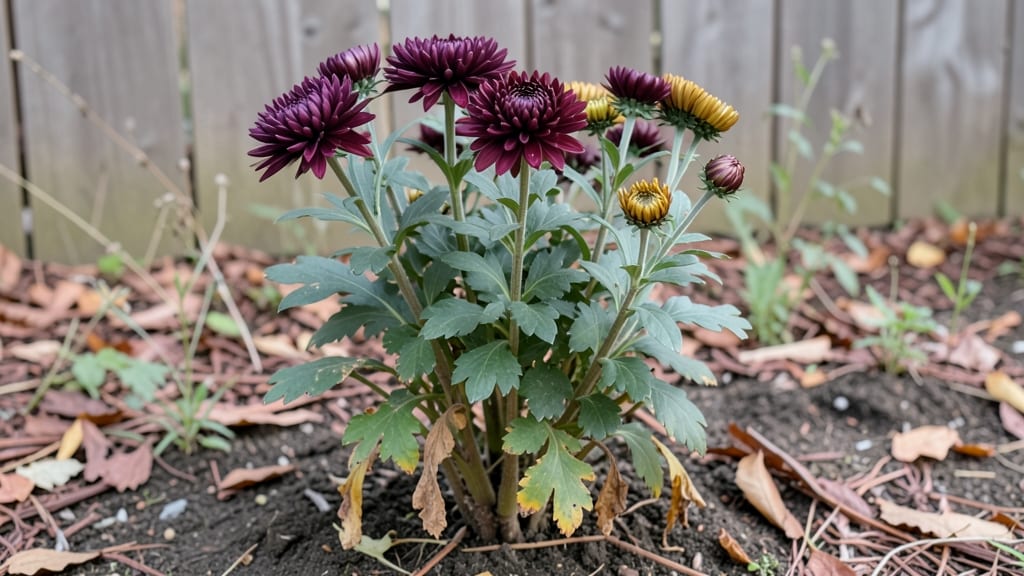
Designing a fall flower bed that stays stunning as temperatures drop is easier than you think—it’s all about the right plants and smart layering.
As summer blooms fade, your flower beds don’t have to lose their magic—fall is the perfect time to transform your outdoor space into a vibrant, textured masterpiece that keeps giving all winter long.
Think beyond just color: mix tall grasses with deep-hued asters, add evergreens for structure, and layer in sedum for winter interest. The key is balancing height, texture, and seasonal shifts so your bed stays lively even when frost arrives.
Below, I’ll walk you through plant pairings that transition seamlessly, how to arrange them for drama, and simple tricks to keep everything thriving until spring.
How to choose fall flowers for year-round color transitions
Fall doesn’t have to mean faded flower beds—it’s your chance to create a stunning seasonal transition that keeps blooming until spring. The key lies in selecting late-summer holdovers, autumnal superstars, and winter-hardy evergreens that bridge the gap seamlessly.
These plants work together to extend your garden’s beauty while requiring minimal extra effort.
Start with perennial workhorses like asters and sedum, which bloom late into fall and often persist through early winter. Pair them with annuals like chrysanthemums, which offer bold color and long vase life for cutting gardens.
Don’t overlook ornamental grasses like Miscanthus or Panicum, which add texture and movement when other plants fade.
For year-round structure, incorporate evergreen shrubs such as boxwood or inkberry holly. These provide foundational greenery that contrasts beautifully with seasonal blooms. In USDA zones 5-7, consider heather or winter jasmine for late-winter color bursts.
Here’s how to match bloom timing, hardiness zones, and color transitions for a cohesive look:
| Plant Type | Bloom Season | Hardiness Zones | Color Transition | Maintenance |
|---|---|---|---|---|
| Late-Summer Holdovers | Aug-Oct | 3-9 | Warm hues → deep purples | Deadhead spent blooms |
| Autumn Favorites | Sep-Nov | 4-10 | Gold, crimson, burgundy | Mulch for frost protection |
| Winter Evergreens | Year-round | 2-9 | Green → berries/snow contrast | Prune in early spring |
| Early Spring Stars | Feb-Apr | 5-10 | Pastels → vibrant pinks | Fertilize in early spring |
When planning your fall flower bed design, group plants by height and bloom time to create natural layers. Place tall perennials like Joe Pye weed at the back, medium-height mums in the middle, and low-growing sedum or heuchera in the front.
This arrangement ensures year-round visual interest while making the most of your space.
For color transitions, I recommend a warm-to-cool gradient. Start with goldenrod and black-eyed Susans in late summer, then introduce deep reds and purples from asters and chrysanthemums. Finish with silver foliage like lamb’s ear or evergreen shrubs to contrast against winter snow.
Don’t forget to consider foliage texture—mixing fuzzy lamb’s ear, spiky ornamental grasses, and smooth hosta leaves adds depth. This combination keeps your garden visually engaging even when flowers fade.
In cooler climates (zones 3-5), opt for hardy perennials like Russian sage or coral bells, which thrive in partial shade and dry soil. In warmer zones (7-10), extend your season with pansies or calendulas, which bloom well into winter with light frost protection.
To ensure a seamless transition, time your plantings so that as one group fades, another takes over. For example, late-blooming coneflowers can hand off to winter jasmine in early spring. This strategic layering keeps your garden looking intentional and well-cared-for year-round.
Finally, always test your soil before planting to
Layering techniques for fall flower beds with seasonal depth
Fall flower beds thrive when you think in layers, not just rows. The key is creating a dynamic visual progression that transitions smoothly from warm autumn hues to cool winter tones.
By combining height variations, textural contrasts, and seasonal blooms, you’ll craft a garden that feels alive even as temperatures drop.
Start with tall backdrops like switchgrass or Joe Pye weed, then fill middle layers with mounding perennials such as sedum or black-eyed Susans, and finish with low-growing annuals like pansies or coral bells.
One of my favorite tricks is using foliage as the star when flowers fade. Plants like heuchera with its burgundy leaves or Russian sage with its silvery-blue spikes provide structure and color long after blooms have disappeared.
Pair these with evergreen shrubs like boxwood or holly to anchor your design and keep interest through winter. The goal is to create a harmonious gradient where each layer complements the next, ensuring your garden remains a year-round spectacle.
🌿 Layering Framework for Fall Flower Beds
- Tall Backdrop (3-6 ft): Use grasses (e.g., Miscanthus) or late-blooming perennials (e.g., asters) for height and winter structure.
- Mid-Height Fillers (1.5-3 ft): Add mounding shrubs (e.g., hydrangeas) and fall-blooming annuals (e.g., chrysanthemums) for color bursts.
- Low-Growing Edgers (6-12 in): Choose spreading perennials (e.g., heuchera) or winter-hardy annuals (e.g., pansies) to frame the bed.
- Ground Cover (0-6 in): Weave in creeping thyme or ajuga to tie layers together and suppress weeds.
- Seasonal Accents: Sprinkle evergreens (e.g., pine) or ornamental grasses (e.g., feather reed grass) for winter texture.
Pro Tip: Group plants with similar water needs in each layer to simplify maintenance and ensure balanced growth.
Don’t overlook the power of color gradients to guide the eye through your design. Start with deep reds and oranges in the back (think sedum or Japanese maple leaves) and transition to soft yellows and purples in the front (like pansies or calendula).
This creates a natural flow that feels intentional. For extra drama, add silver or blue foliage—plants like lamb’s ear or Russian sage reflect light and make colors pop, especially on overcast days.
When planning your layers, consider how each plant will perform in fall and winter. For example, ornamental kale or cabbage adds bold foliage colors after frost, while winterberry holly provides berry clusters that last until spring.
Mix deciduous plants with evergreens to ensure your bed never looks bare. Even in Zone 5 or colder, a well-layered design will keep your garden visually rich from September through March.
Finally, think about textural variety—rough grasses next to smooth leaves, spiky blooms beside round foliage. This contrast adds depth and intrigue, making your flower bed feel dynamic and inviting.
For instance, pair smooth hosta leaves with spiky asters and feathery lamb’s ear to create a tactile experience even from a distance. With these techniques, your fall flower bed will be a showstopper all season long.
Start small if you’re new to layering—try a 3-layer test bed with one tall plant, one mid-height filler, and one low-growing edger. Once you see how the layers interact, you can expand your design with more complexity and seasonal variety.
The key is patience: a well-layered bed evolves over time, revealing its full beauty as each plant matures.