
Landscaping
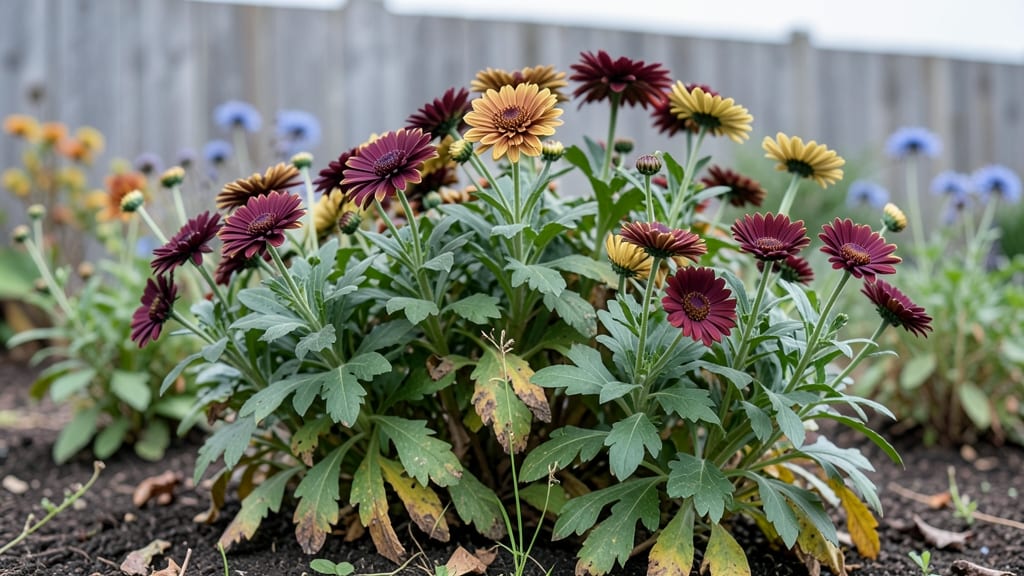
Transforming your yard with fall flower landscaping 🌼 means swapping wilting summer blooms for a vibrant, textured show that lasts through the crispest days.
Fall doesn’t have to mean dull gardens—with the right flower landscaping, your outdoor space can burst with warm hues, rich textures, and year-round charm that keeps neighbors stopping to admire your work.
Think beyond just mums: layer chrysanthemums with deep burgundy asters, toss in ornamental kale for frosty contrast, and let ornamental grasses sway like golden tassels. The secret? Mixing heights and textures so your garden stays dynamic even when the leaves turn.
Below, I’ll show you how to create a low-maintenance fall palette that thrives in Zone 6a, transitions smoothly into winter, and still looks intentional when spring rolls around.
Best fall flowers for year-round color impact
Fall gardens often get overlooked, but with the right seasonal blooms, you can create a landscape that thrives through autumn, transitions into winter, and even surprises with early spring growth. The key is selecting frost-hardy flowers that attract pollinators while requiring minimal winter care.
My favorite picks deliver rich colors and textural interest that keep your garden looking intentional long after summer fades.
These low-maintenance flowers will give you bold hues from September through November, with many varieties persisting into winter or returning stronger in spring. The best part? Most of them thrive in average garden soil and need little more than occasional watering and deadheading to keep blooming.
Let’s explore my top fall flowers that deliver year-round impact with minimal effort.
| Flower Type | Color Palette | Sun Needs | Winter Care | Pollinator Value |
|---|---|---|---|---|
| Chrysanthemums | Purple, yellow, white, red | Full sun to partial shade | Cut back stems; mulch | High (bees, butterflies) |
| New England Asters | Pink, purple, blue | Full sun to partial shade | Leave seed heads for birds | Very high (late-season pollinators) |
| Ornamental Kale | Purple, white, green | Full sun to partial shade | Cut back after frost | Moderate (foliage interest) |
| Sedum (Stonecrop) | Pink, red, yellow | Full sun | Drought-tolerant; no winter care | High (bees, butterflies) |
| Pansies | Multi-color blends | Partial shade to full sun | Mulch for winter protection | Moderate (early pollinators) |
Chrysanthemums are my go-to for fall color because they bloom later than most flowers, often lasting until the first hard frost. Choose hardy varieties like 'Mammoth' or 'Daisy' types for bold blooms that range from deep purple to sunny yellow.
These plants also double as cut flowers, so you can enjoy their beauty indoors too. Plant them in well-draining soil with morning sunlight to prevent wilting.
New England asters are underrated gems that thrive in cool autumn temperatures and provide late-season nectar for bees and butterflies. Their delicate petals create a soft contrast to bolder flowers like mums.
For best results, group them with evergreen shrubs to maintain structure once their blooms fade. I’ve seen asters still standing tall with frost-kissed petals in late November!
Ornamental kale might seem like a vegetable, but its ruffled leaves add textural drama to fall gardens. Varieties like 'Winterbor' or 'Rosette' offer vibrant purples and whites that stand out against golden sedum.
Unlike edible kale, these varieties are purely decorative and frost-resistant. Pair them with low-growing flowers like ajuga or creeping thyme to create a lush ground cover.
Sedum, or stonecrop, is a drought-tolerant powerhouse that thrives in rock gardens or sunny borders. Its succulent-like leaves store water, making it perfect for low-maintenance landscapes. In fall, sedum bursts with pink and red clusters that attract late-season pollinators.
Plant it in full sun with gritty soil to prevent rot. I’ve seen sedum survive sub-zero temperatures with no protection!
Pansies are the unsung heroes of fall gardening—the
How to design a fall flower landscape with seasonal flow
Creating a fall flower landscape that thrives through winter starts with strategic layering. Pair evergreens like boxwood or holly with seasonal bloomers such as chrysanthemums and asters to ensure year-round visual interest.
This combo keeps your garden vibrant even when most plants fade into dormancy. The key is balancing height variation and foliage textures to create depth and movement.
Begin by mapping out your space with tall plants in back, medium-height bloomers in the middle, and low-growing ground covers up front. For example, place 3-foot ornamental grasses behind 2-foot mums, with 1-foot sedum or heuchera at the front edge.
This creates a natural waterfall effect that draws the eye and adds dimension. Don’t forget to include winter interest plants like ornamental kale or evergreen shrubs to bridge the gap between fall and spring.
Color coordination is another game-changer for fall landscapes. Stick to a cohesive palette like deep burgundy, golden yellow, and soft green to evoke warmth and coziness. For example, pair red asters with golden sedum and silver-blue heuchera for a striking contrast.
This approach ensures your garden feels intentional and harmonious, even as seasons change. Test your color scheme with seasonal blooms before committing to large plantings.
Incorporate foliage textures to add depth and intrigue. Mix fuzzy lamb’s ear, spiky ornamental grasses, and smooth-leaved hostas to create visual interest. These textures keep your garden dynamic, even when flowers fade. For instance, a 3-foot fountain grass behind a 1-foot purple heuchera adds movement and contrast.
Don’t overlook winter berries like winterberry holly or Russian olive, which provide pops of color when most plants are dormant.
To maintain seasonal flow, plan for transitions. Start with late-summer bloomers like black-eyed Susans, then layer in fall favorites such as mums and asters. Follow these with winter interest plants like ornamental grasses or evergreen shrubs.
This staggered approach ensures your garden never looks bare. For example, plant tall bearded iris in early fall for late-summer blooms, then add chrysanthemums for fall color, and finish with boxwood for winter structure.
Finally, mulch strategically to protect roots and retain moisture. Use organic mulch like shredded bark or pine straw to insulate plant bases and suppress weeds. Apply a 3-inch layer around woody shrubs and perennials after the first frost to shield them from temperature swings.
This simple step extends the life of your fall flowers and reduces winter damage. With these techniques, your landscape will remain a showstopper from autumn through spring.