
Landscaping
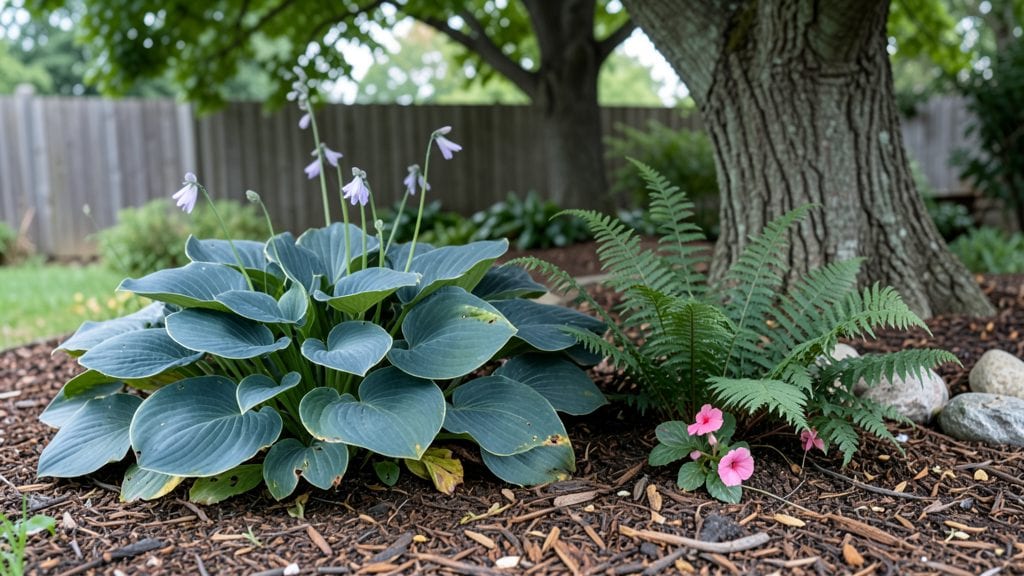
Creating a flower bed under a tree transforms that often-neglected space into a lush, sun-dappled oasis. I used to think shade meant boring greens, but the right plants turn this spot into a year-round showstopper with minimal effort.
The key is choosing shade-tolerant varieties that thrive where others struggle—like hostas, astilbes, and ferns—that flourish in dappled light while keeping roots happy.
Start by testing your tree's shade patterns throughout the day—some areas get morning sun while others stay in shade all afternoon. This determines whether you can include sun-loving perennials like bleeding hearts or stick to true shade plants like hellebores.
A thick layer of mulch (3-4 inches) keeps roots cool and conserves moisture, while also suppressing weeds that compete for nutrients.
What you'll end up with is a vibrant understory that blooms from early spring through frost. Imagine the contrast of deep purple astilbes against the tree's bark, or the delicate fronds of Japanese painted ferns adding texture.
The best part? This bed requires less watering and maintenance than a full-sun garden, making it perfect for busy gardeners.
Works equally well under oak, maple, or pine trees—just adjust plant choices based on how much light filters through. The secret is patience: these beds build character over time, becoming more lush and colorful each season. Let's get planting!
📚 In This Guide
- What you need
- Instructions
- Tips and common mistakes
- Wrapping up and next steps
What you need
- ● Soil amendments: 2–3 bags (40–50 lbs each) of compost or well-rotted manure to improve soil fertility.
- ● 1 bag (50 lbs) of mulch (pine bark, cedar chips, or shredded leaves) to retain moisture and suppress weeds.
- ● Plants: Choose shade-tolerant perennials, annuals, or ground covers like heuchera, ferns, impatiens, or hostas. Plan for 3–5 plants per square foot, depending on size.
- ○ Mulch fabric (optional but recommended): A 3-foot-wide roll to block weeds while allowing water to penetrate.
- ● Slow-release fertilizer: A granular 10-10-10 or organic option like fish emulsion to feed plants over time.
- ● A spade or shovel for digging and amending soil.
- ● A garden rake to level the bed and mix in amendments.
- ● Pruners or shears to trim roots or shape plants.
- ● A measuring tape to mark out the bed’s dimensions.
- ● Gloves and knee pads for comfort (trust us, your back will thank you!).
- ● Watering can or hose with a gentle spray nozzle for post-planting hydration.
- ○ Test your soil: A pH test kit (optional) helps adjust acidity if needed—most shade plants prefer 6.0–7.0.
- ● Clear debris: Remove fallen leaves, rocks, or roots from the area before planting.
- ● Plan for layers: Taller plants (like astilbe) go at the back; shorter ones (like ajuga) spill toward the front.
How to create a thriving flower bed under a tree
Here's the approach I've perfected for turning shady spots into vibrant, low-maintenance displays.
Prepare the Soil for Root Competition
Start by marking your flower bed area with landscape fabric or stakes, keeping it at least 12 inches away from the tree trunk to avoid root damage. This space gives your plants room to grow without competing with the tree's extensive root system for water and nutrients.
Use a garden fork to loosen the soil to a depth of 6-8 inches, breaking up any compacted layers. Mix in 2-3 inches of compost to improve drainage and fertility—this is especially important under trees where soil often becomes depleted. The goal is to create a loose, well-aerated environment that encourages root growth without suffocating them.
If your soil drains poorly, add 1-2 inches of coarse sand or perlite to the mix. You'll know you've done enough when the soil crumbles easily between your fingers and feels light yet moist. Avoid heavy amendments like peat moss, which can compact further over time.
Select the Right Plants for Dappled Light
Choose plants that thrive in partial shade (3-6 hours of sunlight) and can tolerate dry conditions. My go-to selections for year-round color include heuchera (coral bells), hostas, astilbes, and bleeding hearts, which all perform well under trees. For seasonal interest, add spring bulbs like daffodils and fall bloomers like toad lilies.
Space plants according to their mature size—typically 12-18 inches apart for perennials and 6 inches apart for bulbs. Overcrowding leads to competition, which stresses plants in already challenging conditions. Group plants with similar water needs together to simplify care later.
Here's the thing—avoid plants that require full sun or heavy watering. They'll struggle under a tree where moisture evaporates quickly and roots compete aggressively. Instead, focus on native species or those labeled as "drought-tolerant" for the best results.
Plant with Care to Avoid Root Damage
Dig holes twice as wide as the root ball but only as deep as the container. This encourages roots to spread outward rather than settling too deeply. Gently remove the plant from its container, loosening any circling roots with your fingers—this prevents girdling as the plant matures.
Place the plant in the hole, ensuring the top of the root ball sits level with the surrounding soil. Fill the hole with soil, pressing lightly to eliminate air pockets. Water deeply to settle the soil and help roots make contact with the surrounding earth. You'll see the soil sink slightly as it absorbs moisture—this is normal and indicates good root contact.
Mulch the bed with 2-3 inches of shredded bark or wood chips, keeping the mulch 3-4 inches away from the tree trunk to prevent moisture buildup against the bark. This layer conserves soil moisture, suppresses weeds, and regulates soil temperature. Replenish mulch annually as it breaks down.
Water and Maintain for Long-Term Success
Water deeply once a week during the first growing season, providing 1-1½ gallons per plant to encourage deep root growth. After the first year, reduce watering to every 2-3 weeks unless your area experiences prolonged dry spells. Overwatering under a tree can lead to root rot, while underwatering stresses plants in already competitive soil.
Fertilize lightly in early spring with a balanced, slow-release fertilizer (10-10-10) applied at half the recommended rate. Too much fertilizer can burn roots or attract pests in shaded conditions. I skip fertilizing in the fall to allow plants to harden off for winter.
Monitor for weeds regularly, pulling them before they compete with your flowers. Under trees, weeds can spread rapidly due to the moisture retained in the soil. A quick weekly check keeps them in check without requiring harsh herbicides that might harm your plants.
Tips & tricks for perfect sun-dappled flower beds
Creating a thriving flower bed under a tree takes a few key tricks that make all the difference between a struggling patch and a vibrant display.
Soil Preparation: In Step 1, when loosening the soil to 6-8 inches, don't rush this process. Take your time to break up all compacted layers—this is especially important under trees where soil often becomes dense from years of root competition. I like to use a garden fork to gently work the soil while adding compost, almost like fluffing a pillow. This creates the perfect airy environment for roots to establish quickly.
Plant Selection Strategy: The 3-6 hours of partial shade mentioned in Step 2 is actually a range—some plants like heuchera tolerate just 3 hours, while others like astilbes can handle up to 6. I always group plants with similar light needs together in the bed. For example, place the more shade-tolerant heuchera closer to the tree trunk where light is minimal, and position the astilbes toward the outer edge where they'll get more dappled sunlight.
Root Ball Technique: When planting in Step 3, the "twice as wide" rule is crucial but often misunderstood. Many people think this means digging a hole twice as wide as the pot's diameter, but I mean twice as wide as the root ball itself. If you're planting a 4-inch pot, dig a hole 8 inches wide—not 8 inches total. This gives roots room to spread without creating unnecessary space that will compact over time.
Watering Wisdom: The once-weekly watering in Step 4 works beautifully, but there's a trick to make it even more effective. Instead of watering all plants at once, I stagger them by a few days. This creates a more natural watering pattern that mimics seasonal rainfall, helping roots establish at different rates. Also, always water in the morning so plants have all day to absorb moisture before evening evaporation.
Pro Tips for Flower Bed Under Tree
- Creating a thriving flower bed under a tree takes a few key tricks that make all the difference between a struggling patch and a vibrant display.
- Soil Preparation: In Step 1, when loosening the soil to 6-8 inches, don't rush this process.
- Plant Selection Strategy: The 3-6 hours of partial shade mentioned in Step 2 is actually a range—some plants like heuchera tolerate just 3 hours, while others like astilbes can handle up to 6.
Frequently asked questions
Got questions about creating a stunning flower bed under a tree? You’re not alone! Here are some common queries—answered simply so you can get started with confidence.
Can I plant a flower bed under a tree?
Many trees (like oaks, maples, or birches) have dappled shade that’s perfect for shade-loving flowers. Just avoid planting directly under the trunk—give it at least 3–6 feet of space to prevent root competition. Focus on the sun-dappled edges for vibrant blooms!
When’s the best time to plant a flower bed under a tree?
The ideal time depends on your climate:
- Cool climates: Early spring or fall (avoid frost).
- Warm climates: Late winter or early summer (when temps are mild).
What if my tree has invasive roots?
Invasive roots can smother plants, but there are workarounds! Try these options:
- Use root barriers (like landscape fabric) to redirect roots.
- Choose shallow-rooted plants like ferns, hostas, or impatiens.
- Test soil moisture—if it’s soggy, amend with sand or perlite for drainage.
How do I keep my flower bed moist under a tree?
Shade slows evaporation, but dry spots can still happen. Try these tricks:
- Apply a 2–3 inch layer of mulch (wood chips or straw) to lock in moisture.
- Water deeply but infrequently (1–2 times per week, depending on weather).
- Group plants with similar water needs together for efficiency.
Why aren’t my flowers blooming under the tree?
Low light or poor soil might be the culprit! Check these common issues:
- Insufficient light: Move plants to sunnier spots (even partial shade helps).
- Nutrient deficiency: Feed with a slow-release fertilizer designed for shade.
- Overcrowding: Thin out plants to improve airflow and sunlight access.
Wrapping up and next steps
Creating a flower bed under a tree is a rewarding way to bring life and color to your garden while making the most of dappled sunlight. With the right plants, soil prep, and a little patience, you’ll enjoy a thriving space that blooms season after season.
Whether you’re a seasoned gardener or just starting out, this project is a fantastic way to elevate your outdoor space—one sunlit petal at a time!
Ready to get started? Sketch your design, gather your supplies, and begin planting! Your future shade garden awaits—happy digging! 🌿✨