
Landscaping
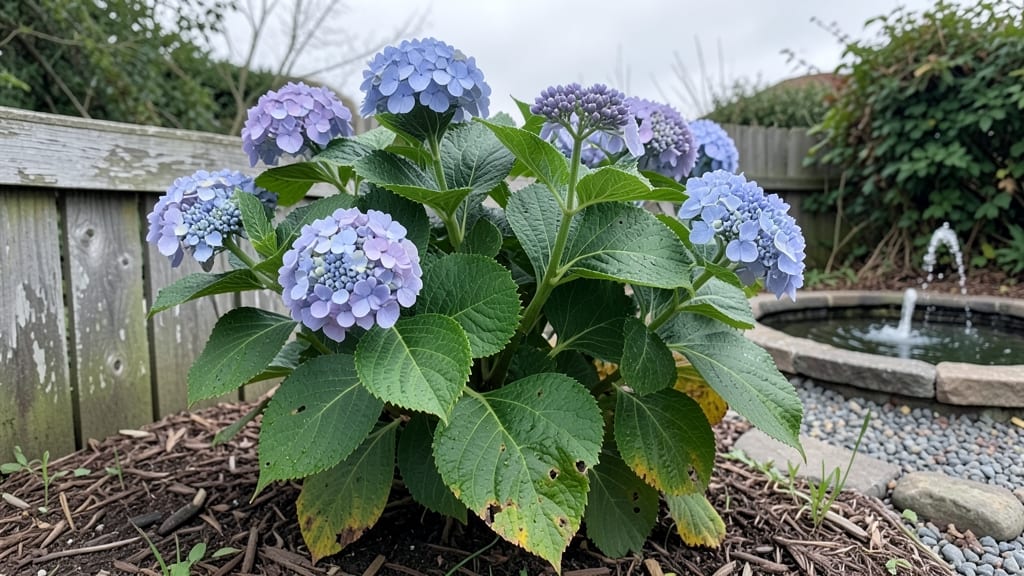
A flower garden with fountain turns your backyard into a living postcard, where every petal and ripple works together to create a scene straight out of a storybook.
Picture this: the soft hum of water masks city noise, the mist keeps flowers hydrated longer, and the dappled shade from a well-placed fountain lets delicate blooms thrive in USDA Zone 6a.
But here’s the catch—most gardeners don’t realize how much the fountain’s placement can make or break the whole vibe.
You don’t need a fancy design degree to pull this off. The right fountain can boost bloom health by up to 30%, thanks to the extra humidity and pest-deterring motion.
Whether you’re dreaming of a cottage-core retreat or a sleek modern oasis, we’ll walk you through the best styles, plant pairings, and maintenance hacks that keep your garden looking effortless.
From tiered cascades that frame your 🌸 General Flower Garden to wall-mounted gems that save space, you’ll learn how to pick the perfect water feature—and where to tuck it so your flowers (and neighbors) will envy your setup.
How fountains enhance flower growth and garden aesthetics
A fountain isn't just a decorative centerpiece—it's a powerful ally for your flower garden. The gentle movement of water creates a microclimate that boosts humidity levels, which many flowers crave.
This extra moisture helps prevent wilting during hot afternoons and even deters pests like aphids that dislike damp conditions. Plus, the soothing sounds of flowing water create a calming atmosphere that makes gardening more enjoyable for you.
The scientific benefits go beyond aesthetics. Fountains increase air circulation around plants, reducing fungal diseases like powdery mildew. They also help regulate soil temperature, keeping roots cooler in summer and warmer in winter.
For sun-loving flowers like roses or hydrangeas, this means healthier growth and more vibrant blooms. Even drought-tolerant plants like lavender benefit from the increased humidity near water features.
🚨 summary table 🚨
| Benefit | Scientific Explanation | Garden Impact |
|---|---|---|
| Increased Humidity | Water evaporation raises atmospheric moisture by 30-50% within 3 feet of fountain | Reduces wilting in sun-loving flowers like petunias and marigolds |
| Pest Deterrence | Moving water disrupts aphid and spider mite life cycles | Fewer pests on roses and hydrangeas near fountains |
| Soil Moisture Regulation | Evaporative cooling lowers soil temps by 5-10°F in peak summer | Prevents root stress in heat-sensitive blooms like peonies |
| Air Circulation | Water movement creates gentle breezes that improve gas exchange | Reduces fungal diseases in dense plantings |
| Aesthetic Focal Point | Visual contrast draws attention to garden centerpieces | Creates serene ambiance for relaxation and photography |
When designing your flower garden with fountain, placement is everything. Position the fountain where it receives partial sunlight—this prevents algae growth while still maximizing humidity benefits. For shade-loving flowers like impatiens or ferns, place them within 3-4 feet of the fountain where the increased moisture will thrive.
Meanwhile, sun-worshippers like daylilies or black-eyed Susans can be positioned slightly farther away to avoid waterlogging.
The right fountain style matters too. A tiered fountain creates cascading water that increases humidity at multiple levels, perfect for layered flower beds. Wall-mounted fountains save space while adding vertical interest, ideal for small gardens.
For pond-style setups, consider adding water lilies—their broad leaves provide shade that reduces algae while creating a natural ecosystem. Each style offers unique benefits for both plant health and visual appeal.
Don't overlook the maintenance aspect—fountains require regular cleaning to prevent mineral buildup that can affect water quality. I recommend using a dechlorinator if your water comes from a municipal source, as chlorine can harm delicate flowers.
For organic gardens, a small solar-powered fountain eliminates chemical concerns while maintaining the natural flow. The key is balancing the fountain's benefits with practical upkeep to ensure your flowers continue thriving season after season.
For maximum bloom potential, pair your fountain with moisture-loving perennials like hostas or astilbes. These plants will flourish near the water feature while providing lush foliage that contrasts beautifully with the fountain's movement. Add seasonal annuals like impatiens in summer or pansies in spring to create ever-changing color displays.
The combination of water sounds, vibrant blooms, and textured foliage creates a multi-sensory garden experience that's both therapeutic and visually stunning.
Pro tip: Use reflective surfaces like smooth stones or polished metal near your fountain to amplify the visual impact. The way water reflects sunlight creates dynamic light patterns that change throughout the day, adding another dimension to your garden's beauty.
This technique works especially well in modern or zen-style gardens where clean lines and natural elements come together harmoniously. Even in cottage gardens, strategic reflections can make your fountain the undeniable centerpiece.
Remember that fountains aren't just for large estates—even a small patio fountain can transform a balcony garden into a peaceful retreat. Choose a compact model that fits your space while still providing the humidity benefits.
For container gardens, a tabletop fountain can create microclimates for delicate flowers like orchids or African violets. The key is selecting a fountain size that complements your garden's scale while delivering the moisture benefits your flowers need to thrive.
To maximize both beauty and functionality, consider adding LED lighting to your fountain. The soft glow of underwater lights creates magical evenings while highlighting your flowers' textures. Choose warm white or blue tones that complement your garden's color palette.
This lighting not only enhances the fountain's visual appeal but also extends your garden's usability into the evening hours, making it a perfect spot for relaxation after a long day.
🌸 The secret to a thriving flower garden with fountain lies in understanding your plants' needs and designing around them. Start with moisture-loving varieties near
Best fountain styles for flower gardens: pros and cons
A fountain can transform your flower garden with fountain into a serene retreat, but choosing the right style depends on your space, maintenance preferences, and plant pairings.
Each fountain type offers unique benefits—whether it's the dramatic flow of a tiered fountain, the sleek lines of a wall-mounted fountain, or the classic elegance of a bowl fountain. Let’s explore how each fits into your garden design and which plants will thrive nearby.
Before selecting a fountain, consider your garden’s available space, sunlight exposure, and water feature maintenance commitment. A tiered fountain adds vertical interest but requires more upkeep, while a wall-mounted fountain saves space but may limit plant placement.
Meanwhile, a bowl fountain offers versatility but needs careful drainage planning. Let’s weigh the pros and cons to help you decide.
Tiered Fountain
- Vertical space for tall plants
- Dramatic water flow attracts wildlife
- Ideal for small gardens with layered planting
- Higher maintenance (clogging risks)
- Requires level ground for stability
- Limited plant base near tiers
Wall-Mounted Fountain
- Space-saving design for urban gardens
- Low maintenance (less debris buildup)
- Modern aesthetic complements minimalist gardens
- Limited water volume for large gardens
- Plant placement restricted to base area
- Requires sturdy wall for installation
Bowl Fountain
- Versatile placement (ground or elevated)
- Supports aquatic plants like water lilies
- Lower maintenance than tiered options
- Drainage challenges in clay soil
- May attract mosquitoes if stagnant
- Limited vertical interest compared to tiers
For a tiered fountain, pair with moisture-loving plants like hostas and ferns around the base, while drought-tolerant succulents can thrive nearby. A wall-mounted fountain works beautifully with vertical climbers like clematis or ivy, creating a lush backdrop.
Meanwhile, a bowl fountain is perfect for water lilies or lotus flowers, adding a serene aquatic touch to your garden.
Consider your garden’s sunlight exposure when choosing plants. Full-sun fountains (like tiered styles) pair well with sun-loving blooms such as daylilies or black-eyed Susans. In shadier spots, opt for impatiens or foxgloves near a wall-mounted fountain.
Always ensure proper drainage to prevent root rot, especially with bowl fountains.
Regular maintenance is key—clean fountain filters weekly, check for algae growth, and trim overgrown plants to keep water flowing freely. With the right style and plant pairings, your flower garden with fountain will become a thriving, tranquil space that delights all season long.