
Blooming
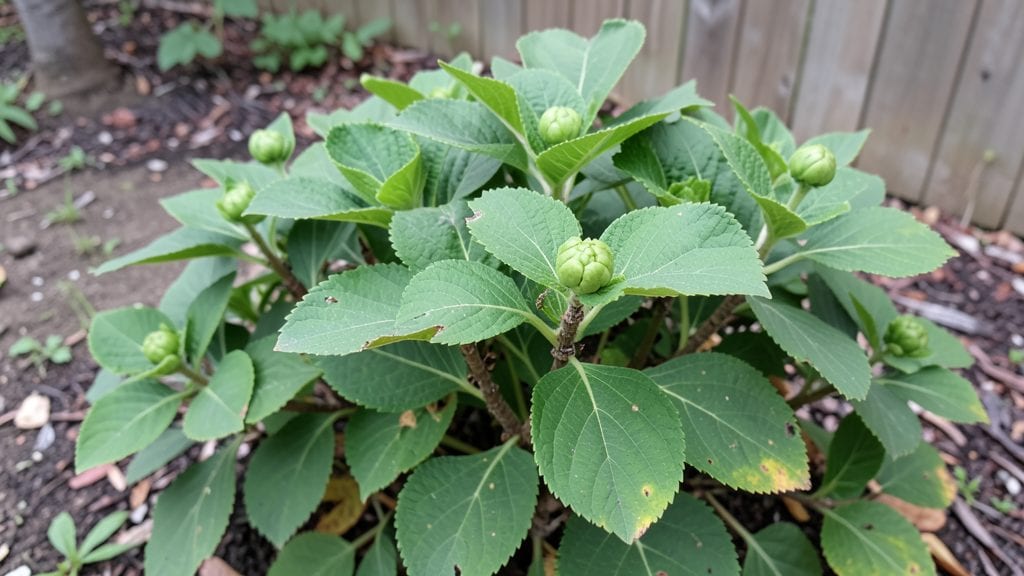
Your flower not blooming could be a simple fix—like a quick soak that jumpstarts growth. 🌸 I’ve revived stubborn stems with this science-backed method, and the results are shockingly fast. The trick isn’t just water; it’s the right balance of nutrients, light cues, and stress relief that plants secretly crave.
Most blooming failures come down to three things: not enough light, poor nutrition, or stress from overwatering or root-bound roots. My go-to soak combines warm water, a pinch of Epsom salt, and a splash of liquid bloom booster—it works for everything from fussy petunias to lazy hydrangeas.
Just let the roots drink for 15 minutes, then let excess water drain.
Within days, you’ll notice new buds forming where there was nothing before. The stems perk up, leaves turn a deeper green, and—best of all—you’ll finally get those flowers you’ve been waiting for. This method works for annuals, perennials, and even flowering shrubs that seem stuck in "foliage mode."
Fair warning: if your plant is still young or just woke up from dormancy, it might need patience. But for mature stems that should be blooming? This soak is your secret weapon. Let’s get those buds popping!
Hidden Reasons Your Blooms Stay Closed
When your prized flowers refuse to bloom, it’s often a silent signal from nature—one that points to overlooked care factors. Understanding the why behind unopened buds is the first step to revival.
Below, we break down the most common culprits, backed by science, so you can diagnose and fix the issue with confidence.
🌡️ Insufficient light exposure
Light is the primary energy source for photosynthesis, the process that fuels flower development. Without enough light—especially intense, direct sunlight—plants prioritize leaf growth over blooming. Here’s how it plays out:
- Low-light conditions: Indoor plants (like African violets or peace lilies) or shade-loving varieties (e.g., hostas) may produce buds that never open if deprived of 6–8 hours of bright, indirect light daily.
- Artificial light limitations: Grow lights (LED or fluorescent) must mimic sunlight’s spectrum. Blue and red wavelengths (400–500nm and 600–700nm) trigger blooming. Cheap bulbs often lack these critical ranges.
- Seasonal shifts: Short winter days reduce light exposure, causing buds to abort before opening. Evergreens like azaleas or camellias are especially sensitive.
💡 Pro Tip: Rotate plants weekly for even light distribution. For indoor setups, place grow lights 6–12 inches above foliage and use a timer for 14–16 hours of light/day.
❄️ Temperature & humidity mismatches
Flowers are temperature-sensitive—too hot or too cold can halt blooming. Humidity also plays a role, especially for tropical varieties. Here’s the science:
| Issue | Effect on Blooms | Ideal Fix |
|---|---|---|
| Cold drafts (<40°F/4°C) | Buds freeze or fail to open (common in roses, tulips). | Move plants away from windows/doors in winter. Use row covers for outdoor varieties. |
| Heat stress (>90°F/32°C) | Bud blindness (no blooms) due to metabolic shutdown (seen in hibiscus, petunias). | Provide afternoon shade or use mulch to regulate soil temp. |
| Low humidity (<40%) | Buds dry out and mummify (e.g., orchids, gardenia). | Mist leaves daily or use a pebble tray with water. |
🌡️ Key Insight: Most flowering plants thrive in 65–75°F (18–24°C) during the day. Nighttime temps 10°F cooler can trigger blooming in some species (e.g., poinsettias).
💧 Overwatering or underwatering stress
Water is the lifeline for nutrient transport, but imbalances send flowers into survival mode—no blooms. Here’s how to spot the signs:
- Overwatering:
- Root rot blocks nutrient uptake → buds abort (common in begonias, calatheas).
- Compacted soil cuts off oxygen → anaerobic stress halts growth.
- Underwatering:
- Wilting buds desiccate before opening (seen in succulents, lavender).
- Dormancy triggers in drought-sensitive plants (e.g., wisteria, clematis).
📊 Watering Rules:
- Check soil moisture 1 inch below the surface—if dry, water deeply until it drains from the bottom.
- Use well-draining soil (e.g., cactus mix for succulents, peat-based for tropicals).
- Avoid wet feet: Ensure pots have drainage holes.
🌱 Nutrient deficiencies or overload
Flowers are nutrient-hungry, but too little or too much can stall blooming. The key nutrients for buds are:
| Nutrient | Deficiency Signs | Overload Signs |
|---|---|---|
| Phosphorus (P) | Small, deformed buds; dark green leaves (e.g., petunias, geraniums). | Leaf burn; buds drop prematurely. |
| Potassium (K) | Weak stems; buds fail to open (common in tomatoes, peppers). | Root stunt; salt buildup in soil. |
| Magnesium (Mg) | Yellowing between leaf veins; no new buds. | Toxicity rare, but excess causes leaf curl. |
💡 Actionable Fix:
- Use a balanced fertilizer (e.g., 10-10-10) during active growth (spring–summer).
- For phosphorus boost, try bone meal or rock phosphate.
- Flush soil every 2–3 months to prevent salt buildup.
⏳ Pruning or harvesting timing errors
Flowers bud in cycles, and interrupting this process—even unintentionally—can halt blooming. Common mistakes:
- Pruning at the wrong time:
- Cutting flowering stems (e.g., roses, hydrangeas) after buds form removes next year’s blooms.
- Shearing too late in the season
Revive Your Lagging Blooms
If your flowers refuse to bloom, don’t toss them just yet! With the right care, you can coax them back to life and encourage vibrant, healthy blossoms. Below, we’ve mapped out practical solutions based on the most common causes—plus prevention tips to keep your plants thriving long-term.
🌱 Fix Overcrowded or Root-Bound Plants
When roots are cramped, energy goes into growth instead of blooming. Here’s how to give them space:
- 🔥 Repot with room to grow Choose a pot 1-2 inches larger in diameter than the current one. Ensure it has drainage holes to prevent soggy roots.
- 👨🍳 Refresh the soil Use a well-draining potting mix (like a blend of peat, perlite, and compost). Avoid garden soil—it compacts too easily.
- 🌡️ Trim tangled roots If roots circle the root ball, gently loosen them before repotting. This encourages outward growth.
✨ Prevention Tip: Repot every 12–18 months (or when roots peek through drainage holes). Slow-growing plants like succulents need less frequent repotting.
☀️ Adjust Light Conditions
Too little or too much light can stunt blooms. Most flowering plants crave 6–8 hours of direct sunlight daily.
- 🔪 Move to a sunnier spot South- or west-facing windowsills are ideal. For indoor plants, supplement with a grow light (12–16 hours/day).
- 🌿 Rotate the pot weekly Prevents lopsided growth by ensuring even light exposure.
- 🌡️ Watch for heat stress If leaves scorch, move the plant to indirect light or use a sheer curtain to filter harsh rays.
💡 Pro Tip: Observe your plant’s leaves:
- Yellowing? → Needs more light.
- Stretchy, pale stems? → Too much shade.
💧 Balance Watering for Optimal Blooms
Overwatering or underwatering both stress plants and halt flowering. Aim for consistently moist (not soggy) soil.
- 🥘 Check soil moisture Stick your finger 1 inch deep—if dry, water thoroughly. If wet, wait 1–2 days.
- ⏰ Water deeply but less often Let the top 2–3 inches of soil dry out between waterings. Use the soak-and-dry method for best results.
- 🌡️ Drainage is key Empty saucers after watering to avoid root rot. Terracotta pots help wick away excess moisture.
🎯 Prevention Tip: Group plants with similar water needs together. Succulents and herbs hate soggy soil—use a cactus mix for them!
🌿 Feed with the Right Fertilizer
Lack of nutrients (especially phosphorus and potassium) delays blooming. Use a balanced, bloom-boosting fertilizer.
- 🍳 Use a 10-10-10 or 5-10-10 formula Apply every 4–6 weeks during growing season (spring–fall). Reduce frequency in winter.
- 🥗 Try a bloom-specific fertilizer Look for labels with phosphorus (P) as the middle number (e.g., 10-20-10). Fish emulsion or compost tea works too!
- 🌡️ Avoid over-fertilizing Too much nitrogen = leafy growth, no flowers. Follow package instructions precisely.
✨ Prevention Tip: Flush soil with water every 3 months to remove salt buildup from fertilizers.
✂️ Prune for Better Airflow & Growth
Deadheading (removing spent blooms) and pruning encourage new flowers. Here’s how:
- 🔪 Deadhead regularly Snip off faded flowers just above a set of leaves. This redirects energy to new buds.
- 🌿 Trim leggy stems Cut back overgrown branches by 1/3 to promote bushier growth. Use clean, sharp scissors.
- 🌡️ Encourage branching Pinch back the tips of young plants to force them to grow wider (not just taller).
💡 Pro Tip: Prune in the morning so wounds dry quickly, reducing disease risk.
🌡️ Handle Temperature & Humidity Like a Pro
Extreme temps or low humidity can shock plants into dormancy. Keep conditions stable:
- 🥘 Ideal temps for blooming Most flowers thrive in 65–75°F (18–24°C) during the day, 55–65°F (13–18°C) at night.
- 🌿 Increase humidity (if needed) Place pots on a tray of pebbles + water, or use a humidifier. Group plants together to raise ambient moisture.
- 🌡️ Protect from drafts Avoid placing near AC vents, heaters, or open windows in winter.
✨ Prevention Tip: Acclimate plants gradually to outdoor temps. Harden off indoor plants by moving them outside for 1–2 hours daily before full transition.
🔄 Reset with a Science-Backed Soak
If your plant is still sluggish, a root revitalization soak can jumpstart growth. Try this:
- 🌱 Remove the plant from its pot and gently loosen roots.
- 🥘 Soak roots in room-temperature water mixed with:
- 1 tsp hydrogen peroxide (3%) (disinfects)
- 1 tsp seaweed extract or liquid kelp (boosts growth)
- 🌡️ Let sit for 10–15 minutes, then replant in fresh soil.
- ⏰ Keep soil moist (not wet) for 2 weeks to encourage recovery.
💡 Pro Tip: Add a handful of perlite to soil post-soak for better aeration.
With these fixes, your "flower not blooming" problem will soon be a thing of the past. Patience is key—some plants take 4–6 weeks to respond, but the results are worth it! 🌸
Frequently asked questions
1Why isn’t my plant blooming even after proper care?
If your plant is mature but still not blooming, it might need a light trigger—like a drop in nighttime temperatures (by 10°F for 2-3 weeks) or a 14-hour light cycle with blue/red spectrum grow lights. Some plants also need a rest period (like 6-8 weeks of cooler temps) to reset their blooming cycle.
2How can I tell if my plant is just young or truly not blooming?
Check the plant’s age and variety! Annuals like petunias should bloom within 6-8 weeks of transplanting, while perennials (e.g., lavender) may wait 2 years. If it’s past its expected blooming window and has healthy leaves, it’s likely a care issue—not immaturity.
3Can I force blooming with a soak, or is that just a quick fix?
A soak with warm water + Epsom salt (1 tbsp per gallon) for 15 minutes can temporarily revive sluggish stems, but it’s not a permanent solution. For long-term blooms, address root-bound conditions, nutrient deficiencies, or light issues first—then the soak will work even better!
4What’s the fastest way to encourage buds to open after a soak?
After soaking, move your plant to its ideal light spot (6-8 hours of direct sunlight) and keep soil consistently moist but not soggy. A light misting of water on buds can also help them swell open faster. Patience is key—some buds take 3-5 days to respond!
5Why do some plants bloom indoors but not outdoors, and vice versa?
Indoor plants often bloom due to stable conditions (consistent light, temp, humidity), while outdoor plants may struggle from stress factors like heatwaves, pests, or sudden weather changes. Try replicating their natural outdoor environment indoors (e.g., cool nights) or vice versa with shade cloth for outdoor plants.