
Flowers
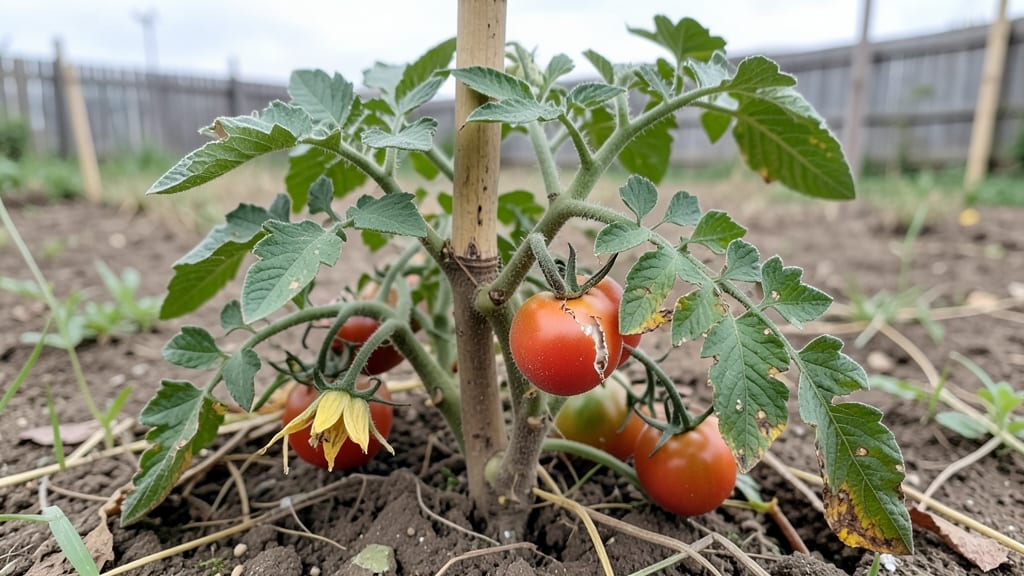
Tomato flower rot turns your hard work into a sad, sunken mess on the fruit’s end—but I’ve saved dozens of plants from this exact problem using simple, organic fixes. The dark, leathery spots aren’t a death sentence, just a sign your tomatoes need calcium, steady water, and a little TLC.
I’ll show you how to spot the difference between this and real blight, then reverse the damage before your harvest disappears.
Most gardeners blame overwatering or drought, but flower rot actually screams for consistency—especially calcium. My first mistake was ignoring the soil test until the damage showed up. Now I add crushed eggshells or gypsum at planting time, and mulch heavily to keep moisture even.
The key is preventing stress: water deeply 1-2 times a week rather than daily shallow drinks, and avoid fertilizing when flowers appear.
Within days of adjusting care, new blossoms stay firm and bright. You’ll see the first signs of recovery in 7-10 days—smaller but perfectly shaped tomatoes forming at the top of the plant.
The best part? These fixes work for peppers and squash too, so your whole garden benefits. Let’s turn those sad fruits into a bountiful harvest.
This works whether you’re growing in-ground, containers, or even a backyard tower system. The principles stay the same—just scale the soil amendments. No fancy tools or chemicals needed, just observation and a few smart tweaks. Your tomatoes will thank you at harvest time.
Root Causes Of Tomato Blight
Flower rot—also known as blossom-end rot—is a frustrating but preventable issue that plagues tomato plants, turning the bottoms of fruits into mushy, sunken, and often discolored patches. Understanding the why behind this problem is the first step to stopping it in its tracks.
Below, we break down the key culprits, backed by science, so you can take action before your harvest suffers.
###
🌡️ Calcium Deficiency: The Hidden Starver
Tomatoes are calcium-hungry fruits, and when they don’t get enough, the cells at the blossom end (the "flower" side) can’t develop properly. This leads to weak cell walls that collapse under pressure, creating the classic rot symptoms.
- Why it happens: Calcium is immobile in plants, meaning it can’t relocate to where it’s needed most. If roots struggle to absorb enough—due to uneven watering, compacted soil, or high soil acidity—the youngest fruit (often the first to form) gets starved first.
- Science in action: Calcium ions (Ca²⁺) stabilize cell membranes. Without them, membranes leak, and pectin (the structural gel in fruit) breaks down, causing the telltale sunken spots.
- Actionable fix: Test your soil’s pH (ideal: 6.0–6.8) and amend with gypsum (calcium sulfate) or crushed eggshells. Water deeply but consistently—never let the soil dry out completely between waterings.
###
💧 Watering Woes: Too Much, Too Little, Too Fast
Flower rot thrives in a moisture rollercoaster. While tomatoes need steady hydration, erratic watering—especially during fruit set—disrupts calcium uptake and triggers stress responses that weaken the plant.
- Why it happens:
- Overwatering: Soggy soil cuts off oxygen to roots, preventing calcium absorption. Excess water also leaches nutrients away.
- Underwatering: Drought stress forces roots to prioritize survival over fruit development, leaving blossom ends vulnerable.
- Inconsistent watering: Rapid shifts in soil moisture cause osmotic stress, where roots can’t keep up with the plant’s demand for calcium.
- Science in action: Roots absorb calcium through transpiration pull—a process driven by steady water evaporation from leaves. Disrupt this, and calcium transport grinds to a halt.
- Actionable fix:
- Use drip irrigation or soaker hoses to deliver water directly to the root zone (1–2 inches deep).
- Aim for 1–1.5 inches of water per week, adjusting for rain. Mulch with straw to retain moisture.
- Avoid wetting foliage (especially at night) to prevent fungal hitchhikers like Phytophthora, which worsens rot.
###
🌡️ Temperature Fluctuations: The Silent Stressors
Tomatoes are tropical plants at heart, and they hate extremes. When temperatures swing wildly—especially during flowering and fruiting—calcium uptake plummets, and the plant’s defenses falter.
- Why it happens:
- Cold snaps (<60°F/15°C): Chilly nights slow root activity, reducing calcium absorption. Young fruit can’t compete for limited resources.
- Heatwaves (>90°F/32°C): High temps increase transpiration (water loss) faster than roots can replenish it, starving fruit of calcium.
- Rapid shifts: Morning frost followed by scorching afternoons confuses the plant’s metabolic priorities, diverting energy away from fruit development.
- Science in action: Calcium absorption is temperature-dependent. Roots operate optimally between 68–77°F (20–25°C). Outside this range, enzymes that facilitate nutrient uptake become sluggish.
- Actionable fix:
- Use row covers or shade cloth to protect plants from sudden cold or heat.
- Plant in microclimates (e.g., near south-facing walls) to buffer temperature swings.
- Apply a calcium-rich foliar spray (like diluted calcium nitrate) during heatwaves to supplement uptake.
###
🧪 Soil Chemistry Gone Wrong: pH & Nutrient Imbalances
Tomatoes aren’t just picky about calcium—they need the right soil environment to access it. If pH or competing nutrients throw the balance off, roots get locked out of the calcium they crave.
- Why it happens:
- High soil acidity (pH <5.5): Calcium becomes unavailable because it binds to aluminum and manganese, forming insoluble compounds roots can’t use.
- Low organic matter: Microbes that help solubilize calcium (like Pseudomonas bacteria) thrive in rich soil. Poor soil = fewer helpers.
- Excess salts or fertilizers: High levels of potassium or magnesium can outcompete calcium for root uptake sites.
- Science in action: Calcium exists in soil as calcium carbonate or gypsum, but plants can only absorb it when it’s dissolved as Ca²⁺ ions. Soil pH dictates how much stays dissolved.
- Actionable fix:
- Test your soil’s pH and amend with lime (to raise pH) or sulfur (to lower pH) as needed.
- Add compost or worm castings to improve soil structure and microbial activity.
- Use a balanced fertilizer (like 5-5-5) and avoid overapplying potassium-heavy fertilizers.
Pro tip: 💡 If you’re seeing flower rot and yellowing leaves with brown edges, you might also have a magnesium deficiency (check for interveinal chlorosis). A foliar spray of Epsom salt (magnesium sulfate) can help balance nutrient uptake.
How to Fix Blighted Tomato Plants
Flower rot—also known as blossom-end rot—can turn your thriving tomato plants into a gardener’s nightmare. But don’t toss those plants just yet! With the right approach, you can revive affected tomatoes and even prevent future outbreaks.
Below, we break down the most common causes and the easiest, most effective fixes to get your plants back on track. 🌱💧
🔥 Calcium Deficiency: Boost Soil Nutrition
If your tomatoes are showing signs of blossom-end rot due to low calcium, the fix is straightforward: add calcium-rich amendments to your soil. Here’s how:
- 🍳 Apply Calcium Sources
- Sprinkle crushed eggshells around the base of the plant (let them dry out first to avoid mold).
- Mix in ground oyster shell or bone meal (follow package instructions for ratios).
- Use a calcium nitrate solution (1 tbsp per gallon of water) as a foliar spray or soil drench.
- 👨🍳 Improve Soil Drainage
- Amend heavy clay soil with compost or sand to prevent waterlogging.
- Avoid overwatering—stick to deep watering 1–2 times per week (depending on climate).
- ⏰ Prevent Future Issues
- Test your soil’s pH—aim for 6.0–6.8 for optimal calcium uptake.
- Mulch with straw or wood chips to keep moisture levels steady.
🌡️ Water Stress: Balance Moisture Levels
Fluctuating water levels can trigger blossom-end rot. If your plants are thirsty one day and soggy the next, here’s how to stabilize them:
- 💧 Water Consistently
- Water deeply but infrequently—aim for 1–1.5 inches per week (adjust for rain).
- Use drip irrigation or soaker hoses to deliver water directly to the roots (avoid wetting leaves).
- 🌱 Mulch to Retain Moisture
- Apply a 2–3 inch layer of organic mulch (straw, grass clippings, or shredded leaves).
- Keep mulch 2–3 inches away from the plant stem to prevent rot.
- ✨ Monitor Soil Conditions
- Stick your finger 1–2 inches into the soil—if it’s dry, water; if it’s muddy, hold off.
- In containers? Ensure pots have drainage holes and use well-draining potting mix.
🎯 Fungal or Bacterial Issues: Organic Remedies
If blossom-end rot is caused by pathogens (like Fusarium or Phytophthora), act fast with these natural treatments:
- 🍄 Remove Affected Fruit
- Prune rotten tomatoes and damaged leaves immediately to stop the spread.
- Dispose of infected plant debris in the trash (not compost).
- 💡 Boost Plant Immunity
- Spray plants with a 1% hydrogen peroxide solution (1 part 3% H₂O₂ + 29 parts water) weekly.
- Apply a baking soda spray (1 tbsp baking soda + 1 quart water + a drop of dish soap) for fungal prevention.
- 🌿 Improve Airflow
- Space plants 18–24 inches apart to reduce humidity around foliage.
- Avoid overhead watering—water at the base of the plant instead.
🔥 Pro Tips for Long-Term Success
Once your tomatoes are on the mend, keep these preventative strategies in mind:
- 💡 Soil Testing: Test your soil every 2–3 years to check calcium, magnesium, and pH levels.
- 🌱 Companion Planting: Grow basil, marigolds, or onions nearby—they deter pests and improve soil health.
- 🍅 Harvest Early: Pick tomatoes as soon as they ripen to reduce stress on the plant.
- 🔄 Crop Rotation: Avoid planting tomatoes (or nightshades) in the same spot yearly to prevent pathogen buildup.
With these fixes, your tomato plants should bounce back stronger than ever—and you’ll be enjoying homegrown, blight-free tomatoes in no time! 🍅✨
Frequently asked questions
Why does flower rot only appear on the blossom end of tomatoes?
The blossom end is the youngest part of the fruit, and that’s where calcium deficiency hits hardest. Since calcium can’t move through a plant’s system, the newest growth gets starved first—especially when roots struggle to absorb it due to inconsistent watering or poor soil conditions. This creates the classic sunken, rotten spots you see at the bottom of affected tomatoes.
Can I still save tomatoes that already show signs of flower rot?
Yes! While you can’t reverse the damage on affected fruit, you can stop further rot by adjusting your care routine. Remove the rotten tomatoes immediately to prevent bacterial spread, then focus on consistent watering, calcium-rich soil amendments (like crushed eggshells), and maintaining a stable soil pH between 6.0–6.8. New fruit forming after treatment should stay firm and healthy.
How do I know if flower rot is different from tomato blight?
Flower rot appears as dark, sunken spots only on the blossom end, while blight shows up as water-soaked, brown patches that spread rapidly across leaves and stems. Blight also causes wilting and blackened veins, whereas flower rot leaves the rest of the plant looking normal. Blight is usually fungal, while flower rot stems from calcium deficiency or water stress.
Is it safe to eat tomatoes with minor flower rot?
Minor surface rot is usually safe to trim away, but avoid eating tomatoes with deep, mushy spots that have spread beyond the blossom end. The affected area may taste bitter or develop mold. For peace of mind, remove severely rotten fruit and focus on preventing future issues with your care routine.