
Vegetables
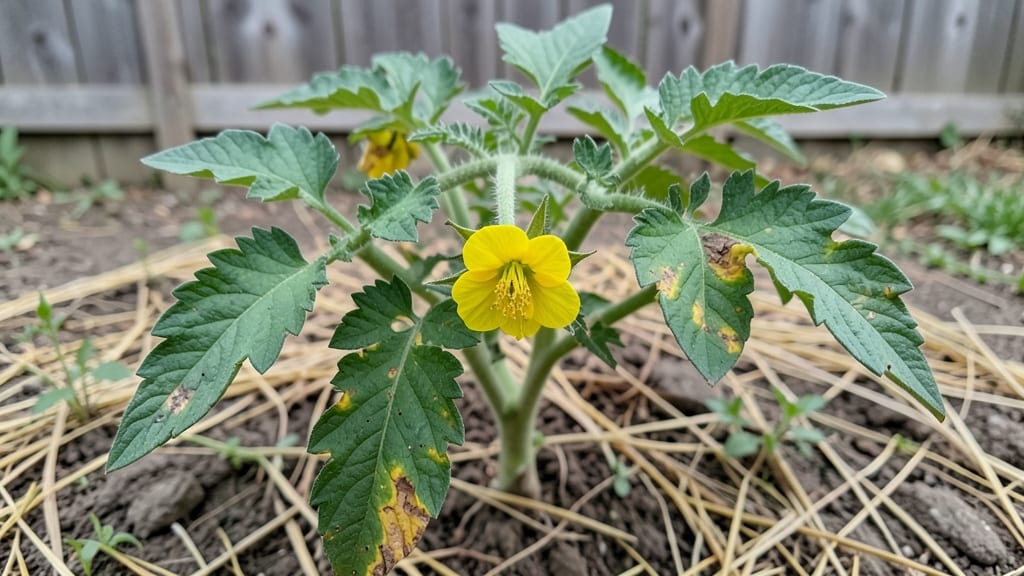
Understanding the anatomy of a tomato flower 🍅 is the first step to unlocking a bountiful harvest—because what happens inside those delicate blooms determines whether you’ll end up with fruit or just pretty petals.
Did you know that the tiny tomato flower holds the secret to your plant’s fruit production success? Understanding its anatomy isn’t just fascinating—it’s the key to healthier plants and bigger harvests.
From the stamen to the pistil, each part plays a role in pollination and fruit development. When you recognize what’s normal and what’s not, you can troubleshoot issues like flower drop or poor fruit set before they become problems.
In this guide, I’ll break down the five critical parts of a tomato flower, explain how they work together, and show you how to use this knowledge to boost your yield—whether you’re relying on bees, wind, or a little help from you.
Tomato flower anatomy: the 5 critical parts and their functions
When you gaze at a tomato plant in full bloom, those delicate yellow flowers might seem insignificant—but they’re the foundation of your entire harvest. Each flower contains five critical parts that work together to turn blossoms into juicy tomatoes.
Understanding these components helps you troubleshoot poor fruit set and maximize your plant’s potential.
Tomato flowers are perfect flowers, meaning they contain both male and female reproductive structures. This self-pollinating nature makes them ideal for home gardens, but knowing their anatomy helps you intervene when nature falls short. Let’s break down each part and its role in creating those delicious tomatoes you’re craving.
🌱
| Part | Function | Role in Fruit Development |
|---|---|---|
| Petals | Bright yellow structures that attract pollinators | Protect reproductive organs; signal readiness for pollination |
| Sepals | Green leaf-like structures beneath petals | Enclose and protect flower bud before blooming |
| Stamens | Male reproductive organs (anther + filament) | Produce pollen; essential for fertilizing ovules |
| Pistil | Female reproductive organ (stigma + style + ovary) | Receives pollen; develops into fruit after fertilization |
| Ovary | Base of pistil containing ovules | Transforms into the tomato after successful pollination |
The petals are the first thing you notice—they’re bright yellow to attract bees and other pollinators. These petals aren’t just showy; they play a crucial role by protecting the flower’s reproductive organs while signaling to pollinators that it’s time to visit.
Without healthy petals, the flower’s internal structures may dry out or get damaged before pollination occurs.
Just beneath the petals, you’ll find the sepals, which are green and leaf-like. These structures act like a protective shield for the developing flower bud. Before the flower opens, sepals keep the delicate internal parts safe from harsh weather, pests, and physical damage.
Once the flower blooms, sepals often remain attached to the stem, supporting the flower’s structure.
Now, let’s dive into the reproductive heart of the tomato flower: the stamens. Each flower typically has 5-6 stamens, each consisting of a filament (a thin stalk) topped with an anther.
The anthers produce and release pollen grains, which contain the male genetic material needed to fertilize the flower’s ovules. Without stamens, there would be no pollen to kickstart the fruit development process.
At the center of the flower, you’ll spot the pistil, the female reproductive organ. The pistil has three main parts: the stigma (a sticky surface at the top), the style (a slender stalk), and the ovary (the base).
When pollen lands on the stigma, it travels down the style to reach the ovary, where fertilization occurs. This entire process is what transforms a tiny flower into a growing tomato.
The ovary is where the magic happens—literally. Inside the ovary, you’ll find the ovules, which are the precursors to your future tomatoes. Once fertilized by pollen, these ovules develop into seeds, while the ovary itself swells and matures into the fruit we all love.
If fertilization fails, the ovary will drop off the plant, often leading to blossom drop, a common issue in tomato growing.
Understanding these parts helps you diagnose why your tomato flowers might not be setting fruit. For example, if you notice dropping flowers without any fruit forming, it could indicate a lack of pollination, poor environmental conditions, or even nutrient deficiencies.
By recognizing these signs early, you can take action—like hand-pollinating your flowers—to ensure a bountiful harvest.
Next time you’re tending to your tomato plants, take a moment to examine their flowers closely. Pay attention to the stamens, pistil, and ovary—these are the building blocks of your tomato harvest.
With this knowledge, you’ll be better equipped to nurture your plants and enjoy a garden full of thriving, fruit-bearing tomatoes.
🌿
How pollination works in tomato flowers: a step-by-step guide
Every tomato flower begins its life with a delicate balance of nature’s mechanics. When you see those yellow blossoms appear, they’re not just pretty—they’re the starting point of your fruit production.
But here’s the catch: without proper pollination, those flowers will drop off, leaving you with no tomatoes. Understanding how this process works is your secret weapon for a bountiful harvest.
Tomatoes rely on three main pollination methods: bees, wind, and manual intervention. Each method triggers the same biological response—fertilization—but the way they work can vary.
For example, cherry tomatoes often self-pollinate, while larger varieties may need a little extra help. Even the humidity levels and temperature in your garden can influence whether pollination succeeds.
Step-by-Step Pollination Process in Tomato Flowers
- 1 Anther Releases Pollen: The stamens (male parts) release pollen grains when mature. This happens naturally when bees land on the flower or when wind blows.
- 2 Pollen Transfers to Stigma: Pollen lands on the stigma (top of the pistil, the female part). Bees carry pollen from flower to flower, while wind may blow it directly.
- 3 Pollen Tube Forms: Once on the stigma, pollen grains germinate, forming a pollen tube that grows down the style toward the ovary.
- 4 Fertilization Occurs: Sperm cells travel through the tube to fertilize the ovules in the ovary, kickstarting fruit development.
- 5 Flower Drops or Fruit Forms: If fertilization happens, the flower wilts, and a green tomato begins to grow. Without fertilization, the flower falls off within days.
If you’ve ever wondered why some tomato flowers drop off without setting fruit, it’s often due to poor pollination. Common culprits include lack of bees, high humidity (which can prevent pollen from sticking), or overcrowded plants that block wind and insect access.
Even temperature extremes—like nights below 55°F—can disrupt the process.
Here’s how to fix it: Shake your plants gently in the morning when flowers are open to mimic wind pollination. For greenhouse-grown tomatoes, use a small brush to transfer pollen manually. If bees are scarce, consider planting bee-friendly flowers like basil or marigolds nearby to attract them.
Pay attention to your tomato plant’s environment. Ensure good airflow by pruning lower leaves and avoiding overwatering, which can create humidity traps. A well-pollinated flower is your first sign of a successful harvest—so keep an eye on those yellow blooms and give them the help they need! 🌱