
Pests and Diseases
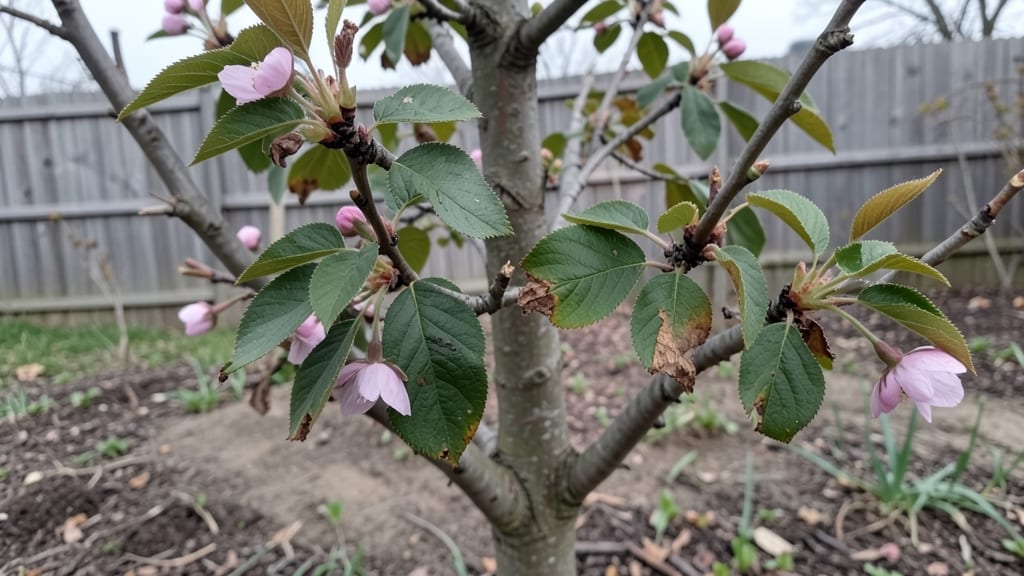
The common flowering cherry problems—like wilting blossoms or mysterious leaf spots—can turn your springtime dream into a gardener’s nightmare if you don’t catch them early. I’ve nursed back more than a few struggling trees, and the fixes are simpler than you’d think once you know what to look for.
The key is catching issues early, whether it’s fungal leaf spots, aphid colonies, or environmental stress.
Most problems stem from three things: too much moisture (especially after blooming), pests hiding on the undersides of leaves, or improper pruning that stresses the tree. I’ve seen trees recover completely in just a few weeks with the right approach—no heavy-duty chemicals required.
Think of it as a quick health check: trim dead branches, adjust watering, and apply targeted treatments before the issue spreads.
By the end, your tree will be putting out fresh, vibrant foliage and next year’s blossoms will be even more spectacular. The best part? These fixes work for both young trees and mature ones, and you’ll spot problems faster after you know what to watch for.
Let’s get those cherries thriving again.
Whether you’re dealing with leaf spots, wilting flowers, or mysterious dieback, the solutions are all connected—water, pests, and pruning. I’ll walk you through each one so you can diagnose and treat like a pro, no green thumb required.
Root Causes Behind Cherry Tree Struggles
Flowering cherry trees (Prunus serrulata and related species) are stunning springtime stars—but their delicate blooms and glossy leaves can signal trouble if conditions aren’t just right. Understanding why these problems arise is the first step to saving your tree.
Below, we break down the science behind the most common issues, from environmental stress to biological threats.
🌡️ Environmental Stressors: When Nature Gets Too Much (or Too Little)
Flowering cherries thrive in specific conditions, and when those are disrupted, the tree’s health suffers. These stressors often act as gateway problems, making the tree more vulnerable to pests and diseases.
🌞 Overheating or Sunburn
While cherries love sunlight, intense afternoon sun—especially in hot climates—can scorch leaves and flowers. The waxy cuticle on cherry leaves acts like sunscreen, but prolonged exposure to UV rays and high temperatures (above 90°F/32°C) can cause:
- Leaf scorch: Brown, crispy edges on leaves, often starting at the tips.
- Blossom burn: Petals turn yellow or brown before fully opening.
- Reduced flowering: The tree conserves energy by dropping buds to avoid stress.
Why it happens: Cherry trees evolved in temperate climates where summer heat is moderated. When temperatures spike, photosynthesis slows, and the tree’s water transport system (xylem) struggles to deliver moisture fast enough. This leads to oxidative damage in cells, causing the telltale browning.
💧 Water Woes: Too Much or Too Little
Cherries hate soggy roots and drought stress—both disrupt nutrient uptake and invite fungal invaders.
- Overwatering: Leads to root rot (caused by Phytophthora fungi) and anaerobic soil, where roots suffocate from lack of oxygen.
- Underwatering: Causes wilting leaves and premature bud drop as the tree prioritizes survival over flowering.
Why it happens: Cherry trees have a shallow but extensive root system, meaning they need consistent moisture but detest waterlogged conditions. Overwatering triggers ethylene gas production in roots, signaling the tree to shed leaves and flowers. Conversely, drought stress activates abscisic acid (ABA), a plant hormone that closes stomata (pores) to conserve water—but this also halts growth and blooming.
🌬️ Wind and Physical Damage
Thin, delicate cherry branches are prone to windburn and mechanical stress, especially during spring when new growth is most vulnerable.
- Leaf tear: Jagged edges or holes from wind or hail.
- Blossom shredding: Petals ripped apart before pollination.
- Branch dieback: Weakened wood snaps under heavy snow or wind.
Why it happens: Wind creates shear stress on stems, while rapid temperature swings (common in spring) cause cellular dehydration in exposed tissues. Additionally, transpiration rates spike in windy conditions, leading to water loss faster than roots can replenish it.
🦠 Biological Threats: Pests and Pathogens at Work
When environmental conditions are off, cherry trees become a buffet for pests and diseases. These invaders exploit weakened defenses, turning minor issues into full-blown crises.
🍄 Fungal Infections: The Silent Leaf Spot Saboteurs
Leaf spots (caused by Cercospora, Alternaria, or Anthracnose) are among the most common cherry tree problems. These fungi thrive in wet, humid conditions and spread via wind, water, or contaminated tools.
- Symptoms: Dark, circular spots with yellow halos; premature leaf drop.
- Why it happens: Fungi release enzymes that break down cell walls, creating necrotic (dead) tissue. High humidity (above 75%) and stagnant water on leaves create the perfect breeding ground. Additionally, poor air circulation (from dense planting) traps spores against the foliage.
🐜 Sap-Sucking Pests: The Tiny Energy Vampires
Insects like spotted lanternflies, scale insects, and aphids drain sap from cherry leaves and stems, weakening the tree and spreading viral diseases.
- Symptoms: Sticky honeydew, sooty mold (black fungus), curled or yellowing leaves.
- Why it happens: These pests target phloem sap, which contains sugars the tree produces via photosynthesis. When infestations are heavy, the tree’s source-sink relationship (how it allocates nutrients) is disrupted. For example, aphids inject salivary toxins that trigger abscisic acid, causing leaves to curl and drop.
🐛 Borers and Beetles: The Wood Destroyers
Invasive beetles like the emerald ash borer (though not cherry-specific) or cherry bark beetles tunnel into bark, disrupting nutrient flow and providing entry points for wood-rotting fungi.
- Symptoms: D-shaped exit holes, sawdust-like frass, wilting branches, oozing sap.
- Why it happens: Female beetles lay eggs in bark crevices, and larvae bore into the cambium layer (the tree’s growth ring). This severs the tree’s vascular system, preventing water and nutrient transport. The tree responds by sealing off damaged areas, which appears as dead or dying branches.
Pro Tip: 💡 Most cherry tree problems start with a combination of stress and opportunity. A tree weakened by drought or sunburn is far more likely to succumb to fungal infections or pest attacks. Prevention—like proper pruning, mulching, and monitoring soil moisture—can stop these issues before they start.
How to solve it
When your flowering cherry tree starts showing signs of distress—whether it’s drooping blossoms, brown leaf spots, or unwanted pests—acting fast can save its beauty and health.
Below are targeted solutions for the most common problems, along with easy prevention tips to keep your tree thriving for years to come. 🌸🌿
🌱 Fixing Wilting or Drooping Blossoms
💧 Overwatering or Underwatering
Flowering cherries hate soggy roots but also struggle in dry soil. If blossoms wilt, check the soil moisture first.
- Solution: Water deeply once a week (adjust for rain) and ensure the soil drains well. If the ground is waterlogged, improve drainage by adding organic compost or sand to the root zone.
- Prevention: Mulch around the base (2–3 inches) to retain moisture without suffocating roots. Avoid watering during peak sunlight to prevent evaporation.
🍂 Early Season Frost Damage
Late frosts can shock delicate blossoms, causing them to blacken or wilt.
- Solution: If frost is forecasted, cover young trees with frost cloth or lightweight blankets the night before. Remove covers once temperatures rise.
- Prevention: Plant frost-sensitive varieties in sheltered locations or choose later-blooming cultivars like ‘Kanzan’ or ‘Shirofugen’, which are more resilient.
🐛 Pest Infestations (Aphids, Scale, or Borers)
Sap-sucking pests weaken trees, leading to wilted flowers and sticky residue (honeydew).
- Solution:
- For aphids/scale: Spray with neem oil (mix 1 tbsp per gallon of water) or insecticidal soap every 5–7 days until pests disappear.
- For borers: Apply beneficial nematodes (like Heterorhabditis bacteriophora) to the soil or inject borer-specific insecticide into infested areas.
- Prevention: Encourage ladybugs and lacewings (natural predators) by planting companion flowers like dill or marigolds nearby. Prune and dispose of heavily infested branches.
🍂 Treating Leaf Spots and Fungal Issues
🍄 Powdery Mildew or Leaf Spot Fungus
White powdery patches or brown spots on leaves? Fungal infections thrive in humid, shaded conditions.
- Solution:
- Prune for better airflow by removing crowded branches and thinning the canopy.
- Apply fungicide (copper-based or baking soda spray: 1 tsp baking soda + 1 tsp oil + 1 quart water) every 10–14 days during wet seasons.
- Prevention:
- Water at the base (avoid overhead spraying).
- Clean up fallen leaves in autumn to reduce fungal spores.
- Space trees properly (15–20 feet apart) to minimize humidity buildup.
🐛 Spider Mites or Canker Diseases
Tiny webs or sunken, dead patches on bark? These pests and diseases stress the tree.
- Solution:
- Spider mites: Blast off mites with a strong hose spray, then treat with horticultural oil (follow label instructions).
- Canker (bacterial/fungal): Prune infected branches 6 inches below the damage with sterilized tools, then dispose of them. Apply copper fungicide to wounds.
- Prevention:
- Avoid wounding the bark during pruning (use sharp tools).
- Keep the tree healthy with balanced fertilization (test soil first!).
🌳 Revitalizing a Stressed or Dying Tree
🔥 Root Rot or Compacted Soil
If the tree looks weak despite proper watering, roots may be suffocating.
- Solution:
- Aerate the soil by digging around the root zone (12–18 inches deep) and mixing in compost or peat moss.
- Transplant if the tree is in a poorly draining spot (choose a sunnier, well-drained location).
- Prevention:
- Test soil pH (ideal: 5.5–6.5) and amend with lime (to raise pH) or sulfur (to lower it) as needed.
- Avoid heavy foot traffic near the base.
🍃 Nutrient Deficiencies (Yellowing Leaves)
Yellow leaves (especially older ones) may signal iron or nitrogen deficiency.
- Solution:
- Iron deficiency (chlorosis): Apply chelated iron (follow package rates) or use Epsom salt (1 tbsp per gallon of water) as a foliar spray.
- Nitrogen deficiency: Fertilize with a balanced 10-10-10 or organic compost in early spring.
- Prevention:
- Mulch annually with well-rotted manure or leaf mold.
- Avoid over-fertilizing (can burn roots).
💡 Pro Tips for Long-Term Care
- 🌡️ Monitor weather: Flowering cherries bloom early—protect them from late frosts and heatwaves (mulch helps regulate soil temp).
- ✂️ Prune strategically: Remove dead/diseased wood in late winter/early spring (before buds swell) to encourage new growth.
- 🐝 Support pollinators: Healthy blossoms attract bees—plant companion flowers like lavender or cosmos to boost tree vitality.
- 📅 Stay ahead of pests: Inspect trees weekly during spring/summer for early signs of trouble.
With these fixes, your flowering cherry can bounce back from wilting blossoms, leaf spots, and pests—restoring its stunning spring display for seasons to come! 🌸💚
Frequently asked questions
Why are my flowering cherry blossoms wilting so quickly?
Wilting blossoms often signal either watering issues—like overwatering that rots roots or underwatering that stresses the tree—or late frost damage. Check the soil moisture first: deeply water once a week if dry, but avoid soggy conditions. If frost is suspected, cover young trees with frost cloth before temperatures drop below 28°F.
How do I identify if my tree has fungal leaf spots?
Look for dark, circular spots with yellow halos on leaves, often appearing in clusters. These spots typically develop in humid conditions and worsen when leaves stay wet. Inspect the undersides of leaves too—fungal spores often gather there. Early action with a copper-based fungicide or baking soda spray can prevent spread.
What’s the best way to handle aphids on my flowering cherry?
Aphids leave behind sticky honeydew and black sooty mold on leaves. Start by spraying them off with a strong hose, then apply neem oil (1 tbsp per gallon of water) every 5-7 days until they disappear. Encourage natural predators like ladybugs by planting dill or marigolds nearby to deter future infestations.
Can I save my flowering cherry if the trunk has canker sores?
Yes! Cankers appear as sunken, dead patches on the bark. Prune infected branches at least 6 inches below the damage using sterilized tools, then apply copper fungicide to the wound. Keep the tree healthy with proper watering and avoid wounding the bark during pruning to prevent recurrence.
When should I prune my flowering cherry for best results?
Prune in late winter or early spring—before buds swell—to encourage new growth and improve airflow. Remove only dead or diseased wood to avoid stressing the tree during its active blooming season. A light shaping prune in summer can also help prevent fungal issues.