
Trees
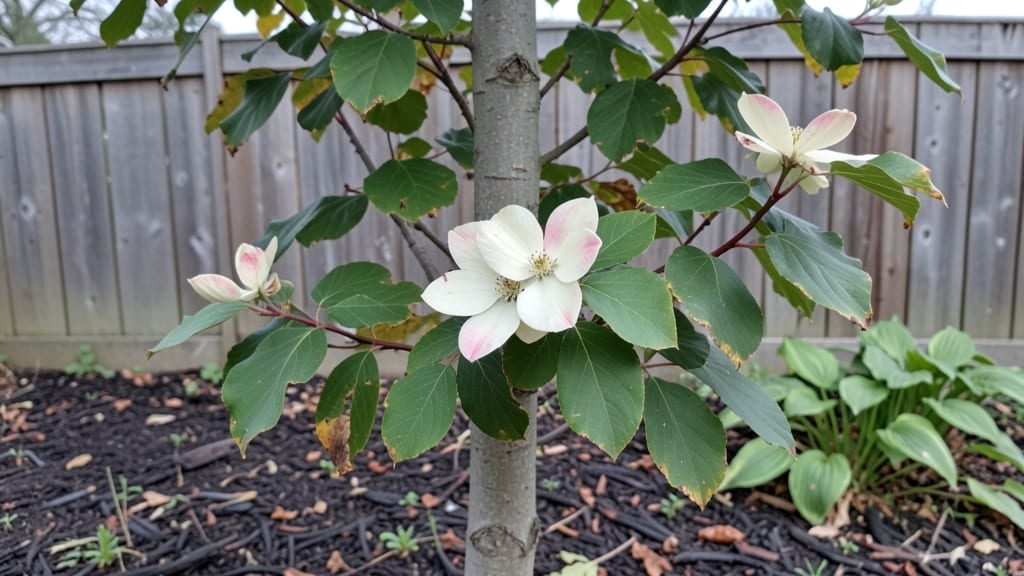
Transforming your yard with flowering dogwood care starts with understanding its finicky nature—too much sun, not enough water, and those stunning blooms vanish faster than you can say "spring cleanup." 🌸 I've nursed my own dogwood back from the brink after years of struggling with weak stems and sparse flowers, and the difference between a sad specimen and a showstopper comes down to a few key habits.
The secret isn't complicated: well-draining soil rich in organic matter, morning sunlight with afternoon shade, and consistent moisture (never soggy roots). Most people overwater or prune at the wrong time, both of which send the tree into shock.
My dogwood now bursts with blooms every April because I treat it like the delicate diva it is—light feeding in early spring, strategic pruning after flowering, and mulch to protect its roots.
By summer, you'll see glossy green leaves that stay disease-resistant and vibrant, while the tree's natural shape remains elegant without aggressive pruning. The real magic happens in late fall when the foliage turns fiery red—proof you've nailed the care routine.
Even in hotter climates, these trees thrive with the right adjustments.
This guide covers every season, from winter protection to spring blooming prep, so you can avoid the pitfalls that turn dogwoods into sad shadows of their potential. Let's get your tree looking like the centerpiece of your landscape again.
📚 In This Guide
- What you need
- Instructions
- Tips and common mistakes
- Wrapping up and next steps
What you need
- ● Well-draining soil: A mix of native soil, compost (20-30%), and sand or perlite (10-20%) for optimal drainage.
- ● Organic mulch: Shredded bark, pine straw, or wood chips (2-4 inches deep) to retain moisture and regulate soil temperature.
- ● Slow-release fertilizer: A balanced, acid-loving plant fertilizer (e.g., 10-10-10 or 8-3-9) or a specific dogwood fertilizer with micronutrients like iron and magnesium.
- ● Watering can or hose: With a gentle spray nozzle for deep, even watering.
- ● Pruning tools: Bypass pruners (for small branches, ¼-inch cuts).
- ● Loppers (for thicker branches, ½-inch cuts).
- ● Pruning saw (for large limbs, 1-inch+ cuts).
- ● Gloves: Heavy-duty gardening gloves to protect against thorns and sap.
- ● pH testing kit: To check soil acidity (ideal range: 5.0–6.0).
- ● Lime or sulfur: For adjusting soil pH if needed (pelletized lime to raise pH, elemental sulfur to lower it).
- ● Soil amendments: Peat moss or pine bark fines to improve soil texture.
- ● Fungicide: Copper-based or neem oil spray for preventive care against powdery mildew or anthracnose.
- ● Tree stakes & ties: If planting a young sapling (3–4 stakes and soft fabric ties).
- ● Drip irrigation system: For automated, deep watering (especially in hot climates).
- ● Mulch ring: A plastic or metal ring to keep mulch in place and prevent it from touching the trunk.
Step-by-step instructions for cultivating a thriving flowering dogwood
Here's how to keep your dogwood lush and blooming year after year with minimal fuss.
🌱 Step 1: Plant in the Right Spot with Proper Soil Prep
Flowering dogwoods need morning sun and afternoon shade—think dappled light under tall trees. I always plant mine where they’ll get 4-6 hours of gentle sunlight daily, avoiding harsh afternoon rays that scorch leaves. Dig a hole twice as wide as the root ball but only as deep—never bury the trunk deeper than it was in the nursery pot.
Amend the native soil with 3 inches of organic mulch (like shredded bark) around the base, keeping it 6 inches away from the trunk. This mimics their woodland habitat while preventing soil compaction. Water deeply right after planting until the soil 12 inches down feels moist—this encourages roots to spread outward rather than staying shallow.
☀️ Step 2: Water Deeply and Mulch Strategically
Dogwoods hate soggy roots but need consistent moisture. Water once a week during the first growing season, delivering 1-2 gallons per tree until the soil 6 inches down stays damp. After the first year, they’re more drought-tolerant, but I still water during prolonged dry spells—wilting leaves mean it’s time to hydrate. I use a soaker hose to avoid wetting the foliage, which reduces fungal risks like powdery mildew.
Refresh the 3-inch mulch layer annually in early spring, using only organic materials like wood chips or pine straw. This keeps roots cool in summer and prevents weeds from competing for nutrients. Here’s the thing—never let mulch touch the trunk. A 6-inch gap prevents rot and pests from nesting right at the base.
✂️ Step 3: Prune for Shape and Health in Late Winter
Prune right after flowering (late April to early May) when new growth has started but before buds form for next year. Remove dead, crossing, or diseased branches first—these are your priorities. I cut back to the collateral bud (the side bud) rather than the main trunk to encourage bushier growth. For shaping, limit pruning to no more than 25% of the canopy in any single year to avoid stressing the tree.
Watch for sucker growth at the base—these are aggressive shoots that drain energy from your main tree. Snip them off at ground level as soon as you spot them. If your dogwood develops yellowing leaves, it might need iron supplementation—a soil test reveals the exact deficiency. I’ve found that chelated iron applied in early spring works wonders for chlorotic foliage.
🌿 Step 4: Fertilize Lightly and Monitor for Pests
Dogwoods are light feeders—too much fertilizer burns roots. In early spring, apply a balanced 10-10-10 fertilizer (about ½ cup per inch of trunk diameter) around the drip line. Water it in immediately to prevent root burn. Skip fertilizer entirely if your soil is rich—overfeeding leads to weak wood that snaps in storms. I always check for borers or scale insects in spring; if you see holes in bark or sticky sap, treat with neem oil as a preventative spray.
Here’s where it gets fun—watch for dogwood anthracnose, a fungal disease that causes dark spots on leaves. If you see it, remove infected leaves immediately and apply copper fungicide in early spring before wet weather arrives. Healthy dogwoods develop smooth, gray bark as they mature—rough or cracked bark signals stress from drought or poor drainage.
Tips & tricks for perfect flowering dogwood care
Here's what I've learned after years of growing dogwoods that burst with vibrant blooms—these details make all the difference.
Location is Everything: That 4-6 hours of morning sun is crucial, but the afternoon shade must be from taller trees—not buildings or fences. I've seen dogwoods planted under evergreens thrive while those near concrete walls struggle with heat stress. If you're in a hot climate, consider planting on the north side of your property for natural shade protection.
Watering Wisdom: The once-a-week watering rule applies only to the first growing season. After that, let your soil guide you—stick your finger 6 inches down. If it's dry, water; if it's damp, wait. I've ruined dogwoods by overwatering in summer, so I always check before reaching for the hose. A soaker hose is a game-changer—it delivers water right to the roots without wetting leaves, which helps prevent fungal diseases like powdery mildew.
Pruning Precision: When you're pruning right after flowering, focus on removing those dead branches first—they're the main culprits for spreading disease. I always cut back to the collateral bud rather than the main trunk because this creates a more robust branch structure. And here's a pro tip: if you're unsure about a cut, make it smaller first. You can always prune more later, but you can't un-cut a mistake.
Fertilizer Finesse: That ½ cup of 10-10-10 fertilizer per inch of trunk diameter is a good starting point, but I've found dogwoods often don't need it at all. Before adding fertilizer, do a simple soil test—most garden centers offer them. If your soil is already rich, you're better off skipping the fertilizer entirely. Overfeeding leads to weak wood that's more susceptible to breaking in storms, and that's the last thing you want for a tree that can grow up to 30 feet tall.
Pro Tips for Flowering Dogwood Care
- Here's what I've learned after years of growing dogwoods that burst with vibrant blooms—these details make all the difference.
- Location is Everything: That 4-6 hours of morning sun is crucial, but the afternoon shade must be from taller trees—not buildings or fences.
- Watering Wisdom: The once-a-week watering rule applies only to the first growing season.
Frequently asked questions
Got questions about keeping your flowering dogwood thriving? You’re not alone—this stunning tree has a few quirks! Here are answers to the most common concerns from gardeners like you.
When is the best time to plant a flowering dogwood?
The ideal planting window is early spring or late fall—when the tree is dormant but the ground is workable. Avoid planting in extreme heat or frost risk. If you’re transplanting an established dogwood, do it during its off-season (late summer or early fall) to minimize stress. Pro tip: Water deeply for the first year to help roots establish!
How often should I prune my flowering dogwood?
Pruning should be minimal—this tree blooms on old wood, so avoid heavy cuts. Lightly shape it in late winter or early spring (before buds swell) to remove dead or crossing branches. Never prune after flowering—you’ll cut off next year’s blooms! For major pruning, hire a pro to avoid damaging its delicate structure.
What do yellow leaves mean on my dogwood?
Yellowing leaves can signal nutrient deficiency (like iron or nitrogen), overwatering, or root rot. Check soil moisture—dogwoods prefer well-draining soil. Test your soil’s pH (ideal: 5.0–6.5) and amend with compost if needed. If the issue persists, inspect for pests (like borers) or fungal diseases. Fix the root cause fast to save your tree!
Can I grow a flowering dogwood in a container?
Not easily! Dogwoods are large, deep-rooted trees (mature size: 20–30 feet tall) and need year-round outdoor space. Containers work for smaller cultivars (like ‘Little Gem’) in climate-controlled areas, but expect limited growth and more maintenance. For best results, plant it in the ground with partial shade and moist, acidic soil.
How do I protect my dogwood from pests?
Watch for dogwood borers (beetles that tunnel into trunks) and scale insects (sucking pests). Prevent borers by keeping the tree healthy and avoiding wounding the bark. For scale, spray with neem oil or horticultural oil in early spring. Inspect regularly—early action stops infestations!
Wrapping up and next steps
Caring for your flowering dogwood is a rewarding journey that brings year-round beauty to your landscape! 🌸 With the right balance of watering, pruning, soil health, and seasonal attention, you’ll enjoy stunning blooms and lush foliage for decades.
Remember, patience and consistency are key—your tree will thank you with vibrant displays and strong growth.
Now that you’re armed with expert tips, take the next step: schedule a quick check-in with your dogwood this weekend! Observe its leaves, branches, and soil—adjust care as needed, and soon, you’ll be the envy of the neighborhood with a thriving, show-stopping tree. Happy gardening! 🌿