
Planting
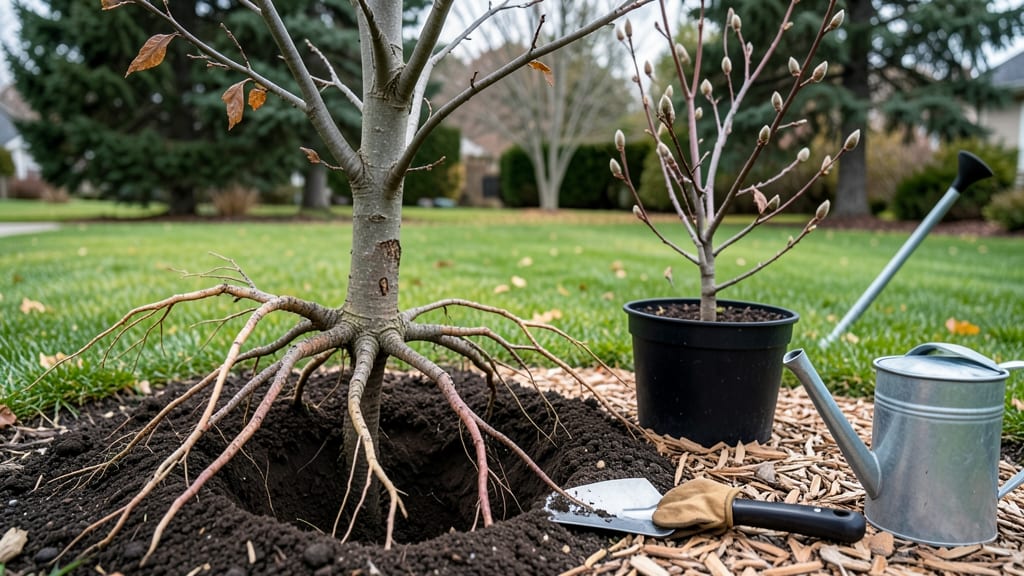
Planting flowering dogwoods in November gives your yard a head start on stunning spring blooms 🌸—when roots establish before winter’s chill, the tree’s survival rate jumps dramatically.
You might think late fall is too risky, but cold-hardy varieties like ‘Cherokee Brave’ are built for it. The key? Planting before the ground freezes so roots can knit together, then insulating them with mulch to fend off frost.
This guide breaks down the best dogwoods for zone 6a, step-by-step November prep, and winter care tricks—like wrapping trunks in burlap—to keep your new tree thriving until spring.
Skip the guesswork: learn how to time it right, prep the soil, and protect your dogwood from freeze-thaw cycles so you’re not left with a sad, wilted sapling in April.
Best cold-hardy flowering dogwood varieties for November planting
November planting gives flowering dogwoods a crucial head start, allowing their roots to establish before winter dormancy. The key is selecting cold-hardy varieties that thrive in USDA Zones 5-8, where frost arrives early.
These trees reward patience with vibrant spring blooms and disease-resistant foliage, making them perfect for late-season planting.
Not all dogwoods tolerate winter equally—some varieties struggle with freeze-thaw cycles or bacterial leaf spot. I’ve narrowed it down to the top 5 cold-hardy cultivars that excel when planted in November, balancing size, color, and resilience.
Each offers unique traits, from dwarf varieties for small spaces to disease-resistant giants for statement landscapes.
Why November? Planting now means the soil stays workable while roots avoid summer heat stress. The 6-8 week window before ground freeze ensures strong establishment. Just ensure you choose a bare-root specimen or container-grown tree with a well-developed root system to handle winter’s chill.
| Variety | USDA Zone | Mature Height | Bloom Color | Key Traits |
|---|---|---|---|---|
| Cornus florida ‘Cherokee Brave’ | 5-9 | 20-25 ft | Deep pink | Disease-resistant, long bloom season, tolerates urban pollution |
| Cornus florida ‘White Dwarf’ | 5-8 | 10-15 ft | Pure white | Compact size, excellent for containers, low-maintenance |
| Cornus florida ‘Rubra’ | 6-9 | 25-30 ft | Bright red | Vibrant foliage, tolerates wet soils, fast-growing |
| Cornus kousa ‘Milky Way’ | 5-8 | 15-20 ft | White with pink edges | Kousa dogwood hybrid, deer-resistant, drought-tolerant |
| Cornus florida ‘Cloud 9’ | 6-9 | 15-20 ft | Soft pink | Prostrate growth habit, great for slopes, low-water needs |
For Zone 5 gardeners, Cornus florida ‘Cherokee Brave’ is my top pick—its disease resistance and pink blooms make it a standout. In Zone 8, Cornus kousa ‘Milky Way’ thrives with its hybrid hardiness and deer resistance.
If space is limited, ‘White Dwarf’ delivers elegant blooms without overwhelming your yard.
The bloom color isn’t just for show—it’s a clue to the tree’s pollen production and pollinator appeal. For instance, ‘Rubra’s’ bright red blooms attract hummingbirds early in the season, while ‘Cloud 9’s’ soft pinks create a romantic garden atmosphere.
Choose based on your landscape’s color palette and wildlife goals.
All these varieties share one critical trait: winter hardiness. They’ve been bred to handle sub-zero temperatures and snow load, but their success depends on proper planting depth and mulching techniques. For example, ‘Milky Way’ can handle drought once established, while ‘Rubra’ prefers moist, well-drained soil
Step-by-step November planting guide for dogwood trees
November is the perfect time to plant flowering dogwoods because the cool soil temperatures reduce transplant shock while allowing roots to establish before winter dormancy. Cold-hardy varieties like Cornus florida ‘Cherokee Brave’ or ‘White Dwarf’ thrive when planted in late fall, especially in USDA zones 5-8.
The key is preparing the soil correctly and protecting young roots from freeze-thaw cycles—here’s how to do it right.
Before you start, gather your essential tools: a shovel, garden fork, pruners, wheelbarrow, mulch, and a moisture meter to check soil conditions.
Work in cool, overcast weather to minimize stress on the tree. Avoid planting if frost is forecasted within 48 hours, as young roots need time to settle.
Use a soil test kit to ensure pH is between 5.0-6.5. Dogwoods prefer acidic, well-draining soil. Mix in 2-3 inches of compost or peat moss to improve texture and fertility. Avoid heavy clay by adding sand or perlite if needed.
Dig a hole twice as wide as the root ball but no deeper. The root flare (where roots meet the trunk) should sit 1-2 inches above ground level. Loosen the sides of the hole with a garden fork to encourage root spread.
Place the dogwood in the hole, ensuring the root flare is visible and the tree faces southeast for optimal sunlight. Fill the hole with native soil, tapping it gently to remove air pockets. Water slowly to settle the soil around roots.
Give the tree a deep watering (10-20 gallons) to encourage roots to grow downward. Water every 3-5 days for the first month, then reduce to bi-weekly once established. Avoid overwatering, which can suffocate roots.
Spread 3-4 inches of mulch (pine straw or shredded bark) in a 3-foot diameter circle around the base. Keep mulch 6 inches away from the trunk to prevent rot. Mulch insulates roots and retains moisture during freeze-thaw cycles.
If hard frost is forecasted, wrap the trunk with burlap or a tree guard to prevent sunscald. Avoid pruning until early spring, as new cuts can invite disease during winter dormancy.
One common mistake is planting too deep, which can suffocate roots and lead to girdling as the tree matures. Always double-check the root flare position—it should never be buried.
Another pitfall is over-mulching, which can trap moisture and cause rot. Stick to the 3-4 inch layer and refresh it annually.
After planting, monitor your dogwood for signs of stress, like yellowing leaves or wilted branches, which may indicate root rot or dehydration. Adjust your watering schedule as needed, but remember: consistency is key.
With proper care, your November-planted dogwood will reward you with vibrant spring blooms and decades of shade.
🌳