
Vegetables
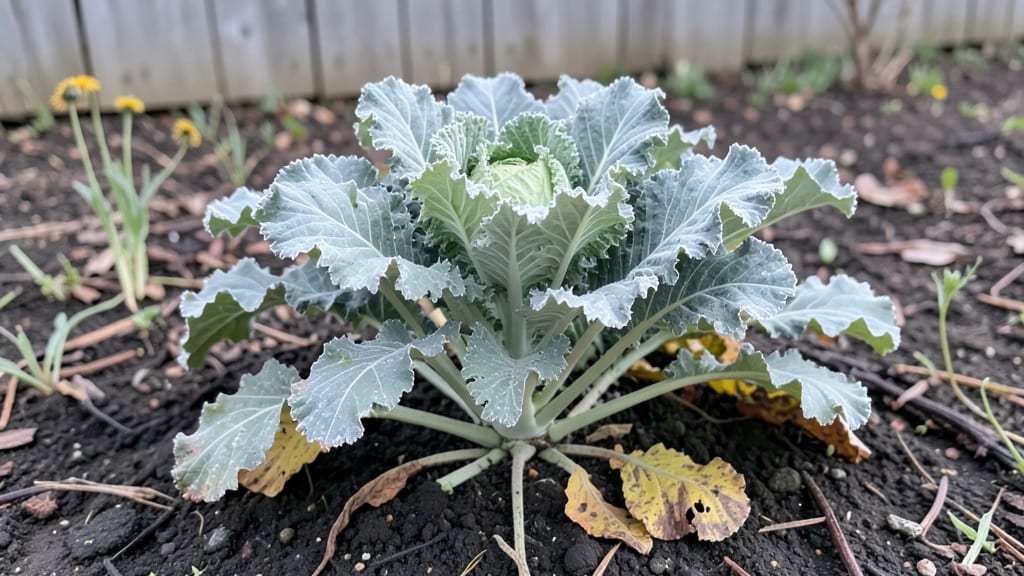
The white flowering kale you’ve been dreaming of isn’t just a pretty face—it’s a frost-proof powerhouse that turns gardens into snowy masterpieces while staying edible.
If you love the bold beauty of kale but crave something even more dramatic, this variety is a game-changer. Its 🌸 snow-white blooms stand out against icy landscapes, and it thrives in USDA Zone 6a and colder, making it the star of your winter garden.
Growing it isn’t just about aesthetics—it’s about resilience. This plant handles freezing temps like a champ, giving you vibrant greens and edible leaves even when other crops call it quits. Plus, it’s low-maintenance, meaning you get stunning results with minimal effort.
Ready to add this cold-hardy beauty to your garden? I’ll walk you through everything from planting in March–April to keeping it thriving through October–November, so you can enjoy its ornamental and culinary perks all season long.
Why white flowering kale stands out in cold-hardy gardens
White flowering kale isn't just another leafy green—it's a winter garden superstar that defies the cold. Unlike traditional kale varieties, which focus on edible leaves, this ornamental type produces stunning white blooms that thrive in frost.
Its ability to bloom through winter makes it a unique focal point in cold-hardy landscapes, offering both beauty and resilience.
The secret lies in its botanical hardiness. While most kale varieties bolt or struggle in freezing temperatures, white flowering kale develops a natural frost tolerance, allowing it to produce vibrant flowers even when snowflakes fall.
This makes it perfect for gardeners in USDA zones 3-9, where winter interest is often limited. Plus, its pollinator-friendly blooms attract bees and butterflies during colder months when food sources are scarce.
Here’s why white flowering kale outshines other varieties in cold climates:
| Trait | White Flowering Kale | Traditional Kale |
|---|---|---|
| Cold Hardiness | Thrives in 20°F (-7°C)+ | Bolts below 30°F (-1°C) |
| Bloom Time | Fall to early spring | None (leaf-focused) |
| Ornamental Value | Snowy white blooms + textured leaves | Colored leaves only |
| Pollinator Appeal | Attracts bees & butterflies in winter | Minimal pollinator interest |
| Growth Habit | Compact, bushy (1-2 ft tall) | Tall, upright (2-3 ft tall) |
| Edibility | Leaves mildly edible (young) | Highly nutrient-dense leaves |
One of the most striking features of white flowering kale is its dual-purpose appeal. While its snow-white blooms steal the show, the leaves remain edible and nutritious—though they’re less robust than traditional kale.
This makes it ideal for edible landscapes where you want both beauty and harvest. The flowers also add a whimsical contrast to evergreens and other winter-hardy plants, creating a magical garden scene.
Unlike its green-leafed cousins, white flowering kale doesn’t require warmth to thrive. In fact, a light frost often enhances its flavor and color, making it one of the few plants that improves with cold exposure.
This trait is especially valuable for gardeners in northern climates, where other ornamental plants may struggle. Even in milder winters, it continues blooming long after other flowers have faded.
The textured foliage of white flowering kale adds another layer of interest. Its ruffled, deep-green leaves provide a stunning backdrop for the white blooms, creating a high-contrast visual that’s perfect for container gardens, borders, and winter arrangements.
Pair it with purple or burgundy kale varieties for a dramatic color palette that pops in monochrome landscapes.
For pollinators, white flowering kale is a lifeline during winter. Bees and butterflies rely on nectar-rich flowers year-round, and this variety provides one of the few food sources available in freezing temperatures.
Planting it near winter-blooming perennials like hellebores or pansies creates a pollinator-friendly haven that supports local ecosystems even when other gardens are dormant.
If you’re designing a four-season garden, white flowering kale is a game-changer. Its ability to bloom through frost ensures your landscape remains vibrant long after summer flowers have faded.
Plus, its low-maintenance care—requiring only well-draining soil and occasional watering—makes it perfect for busy gardeners who want effortless winter beauty.
To maximize its impact, plant white flowering kale in groups of 3-5 for a bold statement. Pair it with evergreen shrubs like boxwood or holly to create a structured, winter-ready border. You can also cut blooms for arrangements, adding a touch of elegance to holiday tablescapes.
With its unique combination of hardiness and beauty, this variety proves that winter gardens can be just as stunning as spring or summer displays.
Top 5 white flowering kale varieties for stunning winter gardens
When winter's frost paints your garden in icy hues, white flowering kale becomes a showstopper with its snow-white blooms and ruffled foliage. Unlike traditional kale, these ornamental varieties focus on visual drama while remaining edible and cold-hardy.
Whether you're a seasoned gardener or a winter enthusiast, these top 5 varieties will elevate your garden's winter charm.
These cold-resistant beauties thrive in USDA zones 3-9 and bloom from late fall to early spring, making them perfect for year-round interest. Their low-maintenance nature and drought tolerance once established make them ideal for busy gardeners who still want winter color.
Let’s dive into the best white flowering kale varieties that will steal the show in your garden.
'White Russian' is a classic favorite with pure white blooms and deep purple stems, creating a striking contrast. This variety reaches 2-3 feet tall and thrives in full sun to partial shade, making it versatile for beds, borders, or containers. Its long bloom season from October to March ensures continuous winter interest, while its crisp, edible leaves add a peppery flavor to salads.
'Winterbor' is a compact powerhouse with dense clusters of white flowers and ruffled, frost-kissed leaves. Perfect for small gardens or containers, it grows 1-2 feet tall and blooms from late fall to spring. This variety is highly disease-resistant and drought-tolerant once established, making it a low-maintenance star for winter gardens.
'Navajo' features soft white flowers with pink-tinged edges, adding a subtle blush to its snowy appearance. This variety grows 18-24 inches tall and is exceptionally cold-hardy, surviving sub-zero temperatures with ease. Its delicate foliage makes it ideal for cutting gardens or winter bouquets, while its mild flavor is perfect for cooking.
'Silverado' is a silvery-white beauty with frilly, frost-resistant leaves that shimmer in the sunlight. This variety thrives in cooler climates and blooms from late summer into winter, offering extended seasonal interest. Its compact size (1-2 feet) makes it perfect for edging or container gardens, while its crisp texture adds visual appeal to winter landscapes.
For a bold statement, try 'White Frost', a heirloom variety with large, snow-white blooms and deep purple stems. This variety grows 2-3 feet tall and is exceptionally hardy, surviving even harsh winters.
Its long-lasting flowers and edible foliage make it a versatile choice for both ornamental and culinary gardens.