
Shrubs
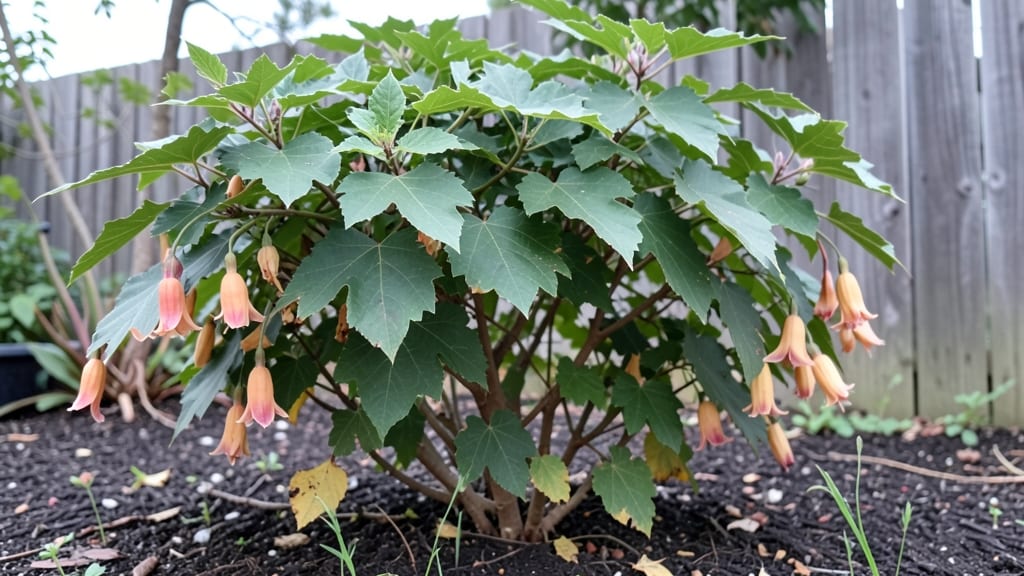
Caring for flowering maple trees transforms your yard into a springtime spectacle with delicate blooms that outshine any store-bought bouquet. 🌸 I’ve watched mine burst into color for years—now I’ll share the exact routine that keeps them thriving through every season, from the first buds to the fiery fall foliage.
The secret lies in mimicking their natural habitat: morning sun and afternoon shade, well-draining soil (think 60% loam, 30% compost, 10% sand), and deep watering just once a week unless it’s scorching hot.
Most people overwater, turning roots soggy and inviting disease—so let the top 2 inches dry out before reaching for the hose.
By pruning in late winter (before buds swell) and fertilizing with balanced 10-10-10 in early spring, you’ll encourage those iconic blooms and keep the foliage a showstopper.
The payoff? Trees that reward you with three seasons of interest—spring flowers, summer shade, and autumn colors that make neighbors stop and stare.
Even in tough climates (zones 5-8), these trees adapt—just adjust watering in droughts and mulch heavily in winter. Here’s how to keep yours looking like the showpiece it is, year after year.
📚 In This Guide
- What you need
- Instructions
- Tips and common mistakes
- Wrapping up and next steps
What you need
- ● Well-draining soil: 3–5 cubic yards of a mix of 50% garden soil, 30% compost, and 20% perlite or coarse sand (for aeration).
- ● Organic mulch: 2–3 inches of wood chips, shredded bark, or pine straw (renew annually).
- ● Slow-release fertilizer: 1–2 lbs of balanced 10-10-10 or acid-loving plant fertilizer (spring application).
- ● Watering can or hose: With a gentle spray nozzle (or drip irrigation system for larger trees).
- ● Pruning tools: 1 pair of bypass pruners (for small branches).
- ● 1 pair of loppers (for thicker stems, ½–1 inch diameter).
- ● 1 pruning saw (for branches >1 inch thick).
- ○ Tree support (optional for young trees): 1–2 tree stakes + soft tie straps (avoid wire!).
- ● Gloves: 1 pair of gardening gloves (cut-resistant for pruning).
- ● Trowel or spade: For soil amendments or transplanting.
- ● pH testing kit: To monitor soil acidity (ideal: 5.5–6.5).
- ● Fungicide (preventative): Copper-based spray (for powdery mildew-prone varieties).
- ○ Tree banding (optional): Reflective tree wrap to protect young bark from sun scorch.
- ● Location: Full sun to partial shade (6+ hours of light daily). Avoid low-lying areas (risk of root rot).
- ● Spacious planting site: Minimum 15–25 feet of clearance (varies by mature size).
- ● Water access: Nearby hose or irrigation source (flowering maples drought-sensitive!).
- ● Patience: Some varieties take 3–5 years to bloom fully—enjoy the foliage first! 🌿
How to cultivate thriving flowering maple trees for seasonal beauty
Mastering flowering maple care means balancing precision with patience—these trees reward dedication with stunning blooms and fiery fall foliage.
🌿 Step 1: Plant in Ideal Conditions for Strong Root Establishment
Choose a location with full sun exposure (6+ hours daily) and well-draining soil. Flowering maples thrive in slightly acidic to neutral soil (pH 6.1-7.5). Dig a hole twice as wide as the root ball but no deeper—this encourages outward root growth rather than downward stress.
Gently remove the tree from its container and loosen any circling roots with your fingers. Place it in the hole so the top of the root ball sits 1-2 inches above ground level. The trunk flare (where roots meet trunk) should be visible above soil—burying it too deep suffocates the tree.
Backfill with native soil mixed with 3 inches of compost to improve fertility. Water deeply to settle the soil and eliminate air pockets. Mulch around the base with 3-4 inches of organic mulch, keeping it 6 inches away from the trunk to prevent rot.
☀️ Step 2: Provide Seasonal Care for Consistent Blooms and Foliage
Water newly planted trees twice weekly for the first year, ensuring 1-1½ inches of water per week. Mature trees need deep watering every 10-14 days unless experiencing drought. Check soil moisture by pushing your finger 2 inches deep—if dry, water thoroughly until it drains from the bottom.
Fertilize in early spring with a balanced 10-10-10 fertilizer applied at half strength. Avoid high-nitrogen fertilizers—they promote leafy growth at the expense of flowers. In late summer, switch to a low-phosphorus, high-potassium fertilizer (5-10-10) to strengthen roots and prepare for winter.
Prune in late winter or early spring before new growth begins. Remove dead, diseased, or crossing branches first, then thin the canopy to improve air circulation. Never remove more than 25% of the foliage in one season—flowering maples are sensitive to aggressive pruning.
⏰ Step 3: Protect Through Seasonal Transitions for Longevity
Winter care starts in late fall when temperatures drop below 40°F. Water deeply before the first hard frost to ensure roots are hydrated. Apply 4-6 inches of mulch around the base to insulate roots and prevent freeze-thaw cycles that damage soil structure.
Young trees (under 5 years) benefit from burlap wraps during extreme cold snaps (below 10°F). Wrap the trunk loosely, leaving space for air circulation. Remove wraps in early spring once buds begin to swell—tight wraps can girdle bark as the tree grows.
Spring is the best time to monitor for pests like aphids or scale insects. Spray with neem oil solution if you notice sticky residue (honeydew) on leaves. Avoid chemical sprays—flowering maples are sensitive to systemic pesticides that can reduce bloom production.
Tips & tricks for perfect flowering maple tree cultivation
Here's what I've learned after years of nurturing these stunning trees—small details that make all the difference between ordinary foliage and showstopping seasonal displays.
The Planting Depth Secret: That 1-2 inch elevation above ground level isn't just about aesthetics—it's critical for preventing root rot. I've seen too many trees planted too deep where the trunk flare gets buried, leading to girdling and eventual decline. Use a level to verify the root ball sits properly before backfilling. The 6-inch mulch clearance from the trunk is equally important—it prevents moisture buildup that causes bark rot.
Watering Wisdom: The twice-weekly watering for new trees might seem excessive, but those 1-1½ inches per week are essential during establishment. I test moisture by pushing my finger 2 inches deep—if it feels dry, that's your cue to water until it drains from the bottom. For mature trees, deep watering every 10-14 days ensures roots grow downward rather than staying shallow, which is crucial for their long-term stability during drought periods.
Fertilizer Timing: That early spring 10-10-10 application at half strength is your secret to vibrant blooms. I've noticed trees fertilized with high-nitrogen blends in summer actually produce fewer flowers the following spring—they prioritize leaf growth over blooms. The late summer switch to 5-10-10 is equally important for root development before winter. Always water thoroughly after fertilizing to prevent root burn.
Winter Protection: The 4-6 inches of mulch in winter isn't just insulation—it's a buffer against freeze-thaw cycles that can damage soil structure. I've seen trees with insufficient mulch develop root heave where expanding ice lifts the roots. For extreme cold snaps below 10°F, those burlap wraps around young trunks can mean the difference between survival and winter damage. Just remember to remove them in spring before buds swell to prevent girdling.
Pro Tips for Flowering Maple Care
- Here's what I've learned after years of nurturing these stunning trees—small details that make all the difference between ordinary foliage and showstopping seasonal displays.
- The Planting Depth Secret: That 1-2 inch elevation above ground level isn't just about aesthetics—it's critical for preventing root rot.
- Watering Wisdom: The twice-weekly watering for new trees might seem excessive, but those 1-1½ inches per week are essential during establishment.
Frequently asked questions
Got questions about keeping your flowering maple thriving? You’re not alone! Here are answers to some of the most common concerns from gardeners—so you can enjoy those stunning blooms year after year.
How often should I water my flowering maple?
Flowering maples prefer consistent moisture but hate soggy roots. Water deeply 1–2 times per week, depending on your climate. In summer, check soil moisture with your finger—if the top inch feels dry, it’s time to water. Mulch around the base to retain moisture and regulate temperature.
When is the best time to prune my flowering maple?
The ideal pruning window is late winter or early spring, before new growth begins. Avoid pruning in fall, as it can encourage weak, watery stems. Always use clean, sharp shears and remove no more than 25% of the foliage at once to avoid stressing the tree.
How do I protect my flowering maple from winter cold?
Most flowering maples tolerate cold, but young trees or tender varieties need extra care. Apply a 3–4 inch layer of mulch around the base and wrap the trunk in burlap if temps dip below 10°F (-12°C). Avoid heavy snow buildup on branches—gently shake it off to prevent breakage.
Why are my flowering maple leaves turning brown?
Brown leaves can mean underwatering, overwatering, or pests. Check soil moisture—if it’s dry, water deeply. If the soil is waterlogged, improve drainage. Inspect for aphids or spider mites on the undersides of leaves. Yellowing edges often signal nutrient deficiencies (like iron or magnesium), so amend soil with compost or a balanced fertilizer.
Can I grow a flowering maple in a container?
Yes! Choose a large, well-draining pot (at least 15 gallons) and use a moisture-retentive potting mix. Opt for dwarf varieties like Acer palmatum ‘Emperor I’ or ‘Bloodgood.’ Repot every 2–3 years and fertilize monthly in spring/summer. Just ensure it gets full sun to partial shade and regular watering.
Wrapping up and next steps
Caring for a flowering maple is a rewarding journey that brings stunning blooms and vibrant foliage to your landscape—and you’ve got all the tools to succeed! 🌸 From proper planting and seasonal maintenance to troubleshooting common issues, these tips ensure your tree thrives year-round.
With patience and a little love, your flowering maple will become a showstopper in your garden.
Ready to take the next step? Start by monitoring your tree’s health monthly—prune gently, check for pests, and adjust care as needed. Happy gardening, and enjoy the beauty you’ve cultivated! 🌿