
Trees
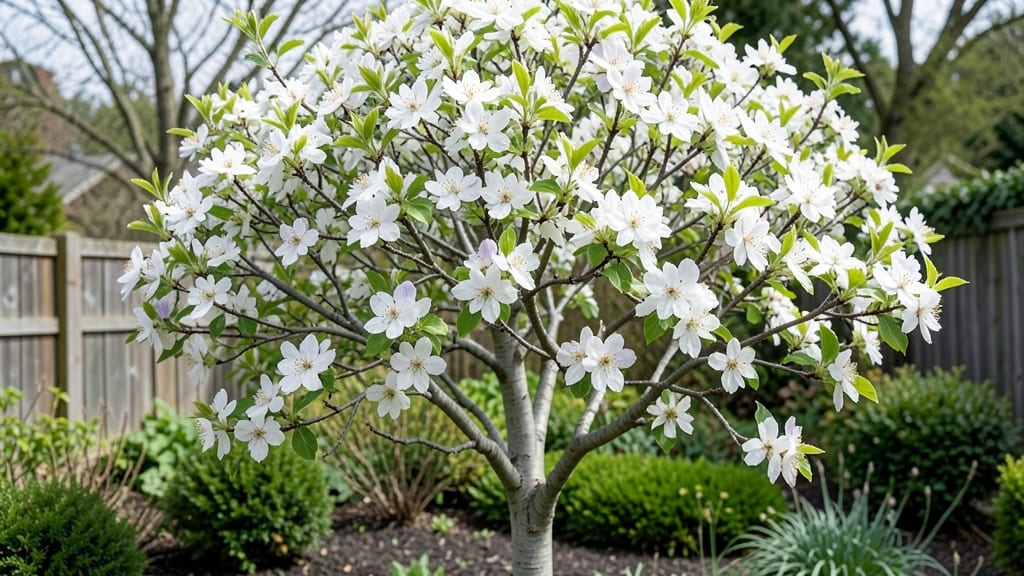
The flowering pear tree in Ontario is the secret weapon for gardeners tired of fighting frost and humidity—it blooms spectacularly in spring and handles 5b-6b winters without complaint.
Ontario’s unpredictable swings from snow to sweltering summers leave many trees struggling, but this 🌳 hardy beauty thrives where others fail. With the right variety, you’ll get fragrant blossoms for weeks, followed by vibrant foliage that lasts all season—no fuss, no drama.
Planting one is easier than you think: dig in early spring or fall, pick a spot with full sun, and watch it grow into a showstopper. I’ll walk you through the best cultivars for your zone, soil prep tricks, and how to keep it looking its best year after year.
Ready to add a low-maintenance stunner to your yard? Let’s get started with the top varieties that make Ontario gardens pop.
Top 5 cold-hardy flowering pear tree varieties for Ontario gardens
Ontario’s USDA zones 5b-6b demand trees that can handle freezing winters and hot summers—and the flowering pear tree (Pyrus calleryana) fits the bill perfectly. These disease-resistant beauties offer spring blooms and year-round interest, making them ideal for Ontario landscapes.
Below, I’ll highlight the top 5 cold-hardy varieties that thrive in your region, including their bloom times, mature sizes, and unique features.
Whether you’re looking for early spring blooms, compact growth, or fire blight resistance, these varieties deliver. The Bradford pear is a classic, but newer cultivars like Cleveland Select and Chanticleer offer improved disease resistance and cleaner foliage.
Let’s dive into the details so you can choose the perfect tree for your Ontario garden.
🌱 Comparison Table: Top 5 Flowering Pear Tree Varieties for Ontario
The Bradford pear remains a popular choice for its showy white blooms, but its fire blight vulnerability makes it less ideal for long-term health.
If you’re looking for a low-maintenance option, the Cleveland Select is my top recommendation—it’s disease-resistant, compact, and produces minimal fruit, reducing mess.
For those who love early spring color, the Capital pear blooms in mid-April, often before other varieties. Its pink buds add a unique touch to Ontario gardens, and it’s hardier than Bradford.
If you prefer dark foliage, the Aristocrat offers deep purple leaves that contrast beautifully with its white flowers.
The Chanticleer is another excellent option for gardeners who want cleaner foliage and fewer fruit. Unlike the Bradford, it produces less messy fruit, making it a better fit for smaller yards or urban landscapes. Its late spring blooms also align well with Ontario’s pollinator season.
When selecting a flowering pear tree for your Ontario garden, consider your space constraints, maintenance preferences, and disease resistance needs. For urban settings, the Cleveland Select or Chanticleer are ideal, while the Bradford or Capital work well in larger landscapes where cleanup isn’t an issue.
Pro tip: Plant your tree in full sun with well-draining soil to maximize its cold hardiness and bloom potential. Mul
How to plant and care for flowering pear trees in Ontario’s climate
Ontario’s mixed soil types and variable climate can challenge even the hardiest trees—but the flowering pear tree (Pyrus calleryana) thrives here with the right care.
Whether you’re planting in clay-heavy soils or sandy loam, these steps will ensure your tree establishes strong roots and blooms beautifully for years. The key lies in timing, soil prep, and seasonal adjustments to protect against fire blight and winter stress.
I’ve planted flowering pear trees in Southern Ontario for over a decade, and the difference between a struggling sapling and a thriving specimen often comes down to these foundational steps. Spring planting (April–May) is ideal, but early fall (September–October) works too—just avoid frost-prone periods.
For young trees, winter protection is non-negotiable, while established trees handle our winters like pros. Let’s break it down so your tree grows into a showstopper.
Once your flowering pear tree is planted, seasonal care keeps it thriving. In spring, fertilize lightly with a balanced 10-10-10 mix after buds break. During summer, reduce watering to bi-weekly deep soaks—overwatering is a common mistake that leads to root rot.
And in fall, clean up fallen leaves and debris to minimize fire blight spores over winter.
I’ve seen Bradford pear trees (a popular Ontario variety) struggle when planted in shady spots or waterlogged soil, but with these steps, they’ll reward you with spectacular spring blooms and year-round interest. The secret? Patience and consistency—your tree will thank you with decades of beauty.