
Shrubs
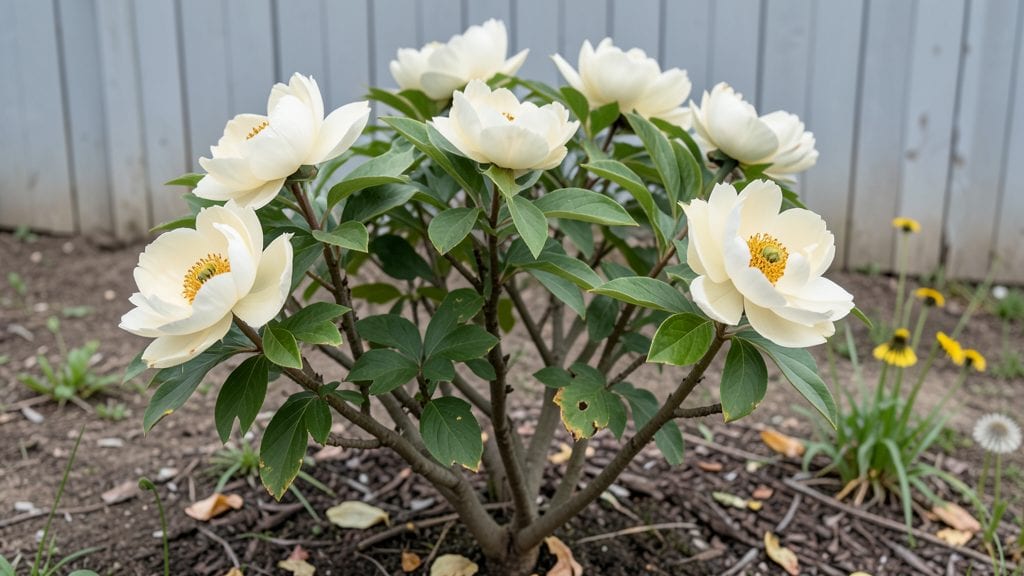
A flowering peony tree 🌸 can transform your garden into a springtime masterpiece—but only if you prune it right. If your peony tree is struggling to produce vibrant blooms year after year, the solution may lie in mastering the art of strategic pruning, something even experienced gardeners often get wrong.
Peonies are stubborn plants, and they don’t respond well to heavy-handed cuts. Too much pruning can actually starve the tree of energy, leaving you with sparse blooms or none at all. The key is knowing when to prune and how much to remove—timing is everything.
In this guide, you’ll discover the exact seasonal pruning schedule that keeps your peony tree thriving, from late winter cuts to summer maintenance. Plus, I’ll share the most common mistakes that kill blooms and how to fix them before it’s too late.
Ready to unlock year-round blooms? Let’s get started with the secrets that’ll have your peony tree looking like a showstopper every spring.
When and how to prune flowering peony trees for maximum blooms
Pruning your flowering peony tree (Paeonia suffruticosa) at the right time and with the correct technique can transform your garden from a few scattered blooms to a lush, year-round floral display.
Unlike herbaceous peonies, these woody shrubs thrive when pruned late winter or early spring, just as new growth begins. This timing ensures you don’t accidentally cut off next year’s flower buds, which form on last year’s growth.
The key to success lies in understanding that tree peonies bloom on old wood, meaning their flowers develop on stems from the previous season. A single misplaced cut can mean fewer blooms—or none at all.
I’ve seen gardeners prune too aggressively in fall, only to wake up the next spring to a tree with no flowers. Let’s fix that together with a step-by-step approach that guarantees healthy growth and abundant blooms.
One of the biggest mistakes I see is pruning after blooming season. While some gardeners prune herbaceous peonies in early summer, tree peonies bloom on old wood, so cutting back after flowers fade removes next year’s buds.
Instead, wait until late winter when the tree is dormant but before new growth starts—typically February or March in most USDA zones 5-8.
If your flowering peony tree hasn’t bloomed well this year, check your pruning history. Did you cut back too much last year? Tree peonies can take 2-3 years to recover from aggressive pruning.
Start with minimal cuts this season and gradually shape the tree over time. Patience is key—these trees reward careful, strategic pruning with vibrant, long-lasting blooms.
For young peony trees (under 3 years old), pruning is minimal—just remove any dead or damaged branches. Avoid shaping until the tree is established. Mature trees (over 5 years old) can handle a bit more structural pruning, but always prioritize preserving flower buds.
I’ve found that tree peonies pruned correctly can bloom heavily for 3-4 weeks, filling your garden with fragrant, show-stopping flowers.
After pruning, monitor your tree for new growth in spring. Healthy shoots should emerge within 2-4 weeks. If you notice yellowing leaves or stunted growth, it may signal over-pruning or disease.
In this case, reduce watering slightly and apply a balanced fertilizer (like 10-10-10) in early spring to encourage recovery.
Finally, seasonal maintenance matters. While late winter/early spring is the main pruning window, keep an eye on your tree throughout the year. Remove spent blooms (deadheading) after they fade to redirect energy to new growth
Common pruning mistakes that kill peony tree flowers (and how to fix them)
Your flowering peony tree might be suffering from silent pruning mistakes that slowly strangle its blooms. Many gardeners unknowingly cut at the wrong time or remove too much growth, leaving their trees struggling to produce those show-stopping spring flowers.
The good news? Most damage is reversible with the right techniques and timing.
Peony trees are particularly sensitive to over-pruning and late-season cuts, which can leave them with sparse or no flowers the following year. Unlike herbaceous peonies, these woody shrubs store energy in their branches and buds, making proper pruning essential for future blooms.
Let’s identify the most common errors and how to correct them.
⚠️ Critical Warning: Peony Trees Hate These Pruning Mistakes!
1. Pruning after mid-summer – Cuts made in July or August remove next year’s flower buds, which form in late summer. Never prune after July 15!
2. Removing more than 1/3 of the tree – Over-pruning weakens the tree, reducing its ability to produce energy-rich blooms. Stick to light shaping cuts only.
3. Cutting into old wood – Peony trees bloom on second-year wood. Avoid heavy cuts that remove last year’s growth.
If you’ve been pruning too late in the season, don’t panic—your tree can recover! Start by identifying last year’s growth (the thicker, woodier branches) and avoid cutting into them.
Instead, focus on shaping the outer canopy while preserving the inner structure. This encourages new growth that will produce next year’s flower buds.
Another common mistake is pruning in the fall or winter, which exposes the tree to cold damage and disease. Always wait until late winter or early spring (just before buds swell) to prune.
Use sterilized shears to make clean cuts at a 45-degree angle, about 1/4 inch above a bud facing outward. This promotes healthy regrowth and maximizes bloom potential.
For trees that have been severely over-pruned, recovery takes patience. Focus on feeding the roots with compost or balanced fertilizer in early spring, and water deeply to encourage new growth.
Avoid heavy pruning for at least two growing seasons to allow the tree to rebuild its energy reserves. Mulch around the base to retain moisture and protect roots from temperature swings.
Remember, peony trees reward gentle, strategic pruning with abundant blooms. By correcting these mistakes now, you’ll set your tree up for a floral comeback next spring.
Start small, observe how the tree responds, and adjust your approach as needed—your peony tree will thank you with vibrant, long-lasting flowers for years to come! 🌸