
Pruning
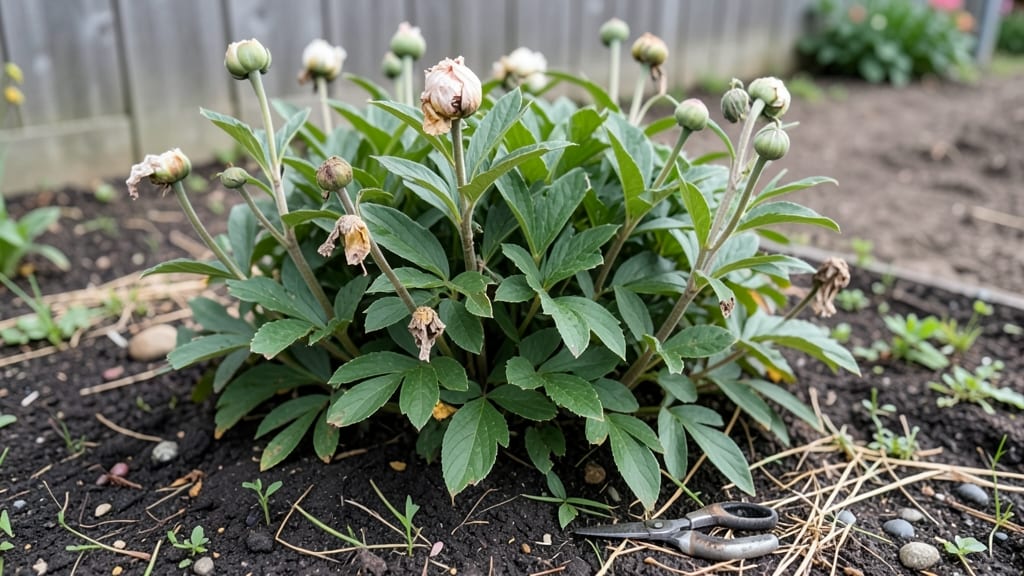
Pruning peonies after flowering isn’t just about tidying up—it’s the secret to next year’s showstopper blooms. ✨ I’ve pruned my own peonies for five seasons, and the difference between a lazy cut and a precise trim is dramatic: the right approach means larger flowers and stronger stems by June.
The key is timing and technique—cut too early or too late, and you’ll stunt new growth or invite disease.
You only need three things: sharp bypass pruners, a pair of gloves (peony stems have thorns), and a sunny afternoon. The process takes about 15 minutes per bush, and the payoff is peonies that rebound faster and bloom even more spectacularly the following year.
Most gardeners skip this step entirely, which is why their peonies never reach their full potential.
Here’s what you’ll end up with: a garden bed full of velvety foliage by late summer, followed by stems that emerge in spring thicker and more vigorous than ever.
The flowers themselves will be 20-30% larger because the plant directs energy into fewer, stronger blooms instead of wasting it on seed production.
This method works for both herbaceous and tree peonies, though the timing varies slightly. Whether you’re dealing with a single bush or a whole border, the principles stay the same—just adjust for the plant’s size. Let’s get those blooms ready for next season!
📚 In This Guide
- What you need
- Instructions
- Tips and common mistakes
- Wrapping up and next steps
What you need
- ● Bypass pruners (sharp, clean, and sterilized—think of them as your peony’s surgeon!)
- ● Garden shears or loppers (for thicker stems; avoid anvil pruners—they crush stems!)
- ● Disinfectant (70% isopropyl alcohol or bleach solution) (1 part bleach to 9 parts water—sterilize tools between cuts to prevent disease!)
- ● Garden gloves (nitrile or leather; peony stems can be thorny—protect those fingers!)
- ○ Garden twine or rubber bands (optional, for bundling pruned stems for disposal)
- ● Compost bin or trash bag (for debris—do not compost diseased peony foliage)
- ● Pruning saw (only if dealing with extremely thick, woody stems—rare for most peonies)
- ● Handheld leaf blower (to clear debris from the plant after pruning)
- ● Knee pad or stool (for comfort if your peonies are tall or ground-level pruning is tough)
- ● Label or plant marker (if you’re pruning multiple varieties—keep track!)
- ● Pruning sealant (like tree wound paint—only use if cutting into woody stems; most peonies don’t need it!)
Step-by-Step instructions for pruning peonies after flowering
Here's the method I rely on every year to keep my peonies blooming bigger and stronger.
✂️ Step 1: Wait Until Flowers Fully Fade
Don't prune until the blooms have completely browned and dried on their own. This ensures the plant has finished flowering and stored energy for next season. I usually wait until late summer—around mid-to-late August—when all petals have fallen naturally. Cutting too soon removes the plant's energy reserve.
Look for stems that feel dry and brittle when you touch them. This is your signal that the plant has finished its flowering cycle. If you see any remaining green buds, leave them be—they might still produce a few late blooms.
✂️ Step 2: Deadhead Spent Blooms and Trim Stems
Use clean, sharp pruners to cut back each flower stem to the first set of healthy leaves (about 2-3 inches below the bloom). This prevents seed formation, which drains the plant's energy. I like to make clean cuts at a 45-degree angle to help water run off and avoid rot.
Don't cut into the thick, woody base of the plant—this is where next year's buds form. If you accidentally cut too low, don't worry; peonies are tough and will recover. Just avoid doing it repeatedly in the same spot.
✂️ Step 3: Thin Out Overcrowded Foliage
Peonies multiply underground, and over time, their foliage can get too crowded. In early fall, after the leaves have yellowed but before they fall, remove 1-2 of the oldest, weakest stems from each plant. These are usually the ones in the center of the clump with smaller leaves.
Use your pruners to cut these stems at the base. This opens up the center of the plant, allowing better airflow and sunlight to reach the remaining stems. You'll see stronger growth next year from the healthier stems you leave behind.
🪴 Step 4: Clean Up Debris and Mulch
Rake up all the fallen leaves and spent stems from around the plant. This reduces disease risk and keeps your garden looking tidy. I like to compost these materials unless they show signs of fungal issues, like black spots or mold.
Apply a 2-3 inch layer of mulch (like shredded bark or straw) around the base of the plant, keeping it 3-4 inches away from the stems. This protects the roots from freezing temperatures and retains moisture. Mulch also helps suppress weeds, which compete with peonies for nutrients.
⏰ Step 5: Mark and Monitor for Next Year
Place a small stake or marker near each peony plant to remind you where they are—peonies can be hard to spot when they're dormant. This helps you avoid accidentally damaging the crowns when working in the garden later.
In early spring, before new growth appears, check for any signs of pests or disease. Healthy peonies should have firm, white roots and no soft or discolored spots. If you see any issues, address them right away to give your peonies the best start.
Tips & tricks for perfectly pruned peonies
Here's what nobody tells you about keeping your peonies thriving after their big show—these tricks have saved my plants from years of weak blooms.
Timing is Everything: In Step 1, patience pays off. I learned the hard way that cutting too early—even just a few days before the blooms fully fade—can rob your peonies of stored energy for next year's flowers. If you're unsure, wait an extra week rather than rushing. The dry, brittle stems are your clear signal that the plant has finished its flowering cycle. Between us, I've caught myself cutting too soon when I was eager to tidy up—don't make my mistake!
The Cutting Technique That Changed Everything: When you're at Step 2, making those clean 45-degree cuts isn't just about looks—it's about plant health. The angled cut helps water run off the stem instead of pooling at the base, which prevents rot. I also recommend sterilizing your pruners with rubbing alcohol between cuts, especially if you have multiple peony varieties. This simple step cuts down on disease spread dramatically.
Thinning Strategy: In Step 3, focus on quality over quantity. I've seen gardeners remove too many stems in one go, thinking more thinning equals better growth. The key is removing just 1-2 of the oldest, weakest stems from each plant. These are usually the ones in the center that look smaller and less vigorous. This opens up airflow and sunlight to the healthier stems you're keeping for next year's blooms.
Mulching Wisdom: The 2-3 inch layer of mulch in Step 4 isn't just for looks—it's a protective blanket for your peony roots. I've found that straw mulch works particularly well because it breaks down slowly and adds organic matter to the soil. Just remember to keep it 3-4 inches away from the stems to prevent rot. In colder climates, this extra protection can mean the difference between winter survival and frost damage.
Pro Tips for Prune Peonies After Flowering
- Here's what nobody tells you about keeping your peonies thriving after their big show—these tricks have saved my plants from years of weak blooms.
- Timing is Everything: In Step 1, patience pays off.
- The Cutting Technique That Changed Everything: When you're at Step 2, making those clean 45-degree cuts isn't just about looks—it's about plant health.
Frequently asked questions
Got questions about pruning peonies after they’ve finished blooming? You’re not alone! Here are some of the most common queries—along with straightforward answers to help you feel confident in your gardening game.
Can I prune peonies right after they bloom?
In fact, deadheading (removing spent blooms) right after flowering is ideal—it keeps the plant tidy and redirects energy to root growth for next year’s stunning blooms. Just avoid cutting back the foliage until it naturally yellows and dies back in late summer or early fall.
What if I forget to prune my peonies this year?
No stress! Peonies are forgiving. If you skip pruning, the plant will still thrive—just leave the dead foliage until it’s fully browned and brittle. The roots will still store energy for next season. Bonus: The old stems can even provide winter protection for the crown.
Should I cut back peony leaves in the fall?
Wait until late fall or early winter (after the first frost) to trim back the foliage to 2–3 inches above the ground. Cutting too early can expose the plant to fungal diseases. Use clean, sharp shears and avoid mowing over peony crowns—this can damage the roots.
What if my peonies don’t bloom next year after pruning?
Don’t panic! A few common reasons for missed blooms include:
- Too much nitrogen (fertilizer) in spring—stick to balanced, low-nitrogen options.
- Over-pruning (cutting back foliage too early or too aggressively).
- Immaturity—young peonies (under 3 years old) may need time to establish.
Can I prune peonies in the spring?
Spring pruning is not recommended for peonies. Cutting back stems or foliage too early can weaken the plant and reduce next year’s blooms. Instead, focus on deadheading spent flowers and let the leaves do their job—photosynthesizing to fuel the roots. If you must trim in spring, limit it to only removing dead or diseased growth.
Wrapping up and next steps
Pruning peonies after flowering is your secret to bold, healthier blooms next season! By deadheading spent flowers and trimming back foliage, you’re not just tidying up—you’re giving your peonies the energy they need to thrive. Remember, timing and technique matter most, so take your time and enjoy the process.
Now that you’re armed with the know-how, grab those shears and get pruning! 🌸 Your future peony showstopper starts with this simple step. For extra care, consider testing your soil or exploring mulching tips to keep those roots happy year-round.