
Shrubs
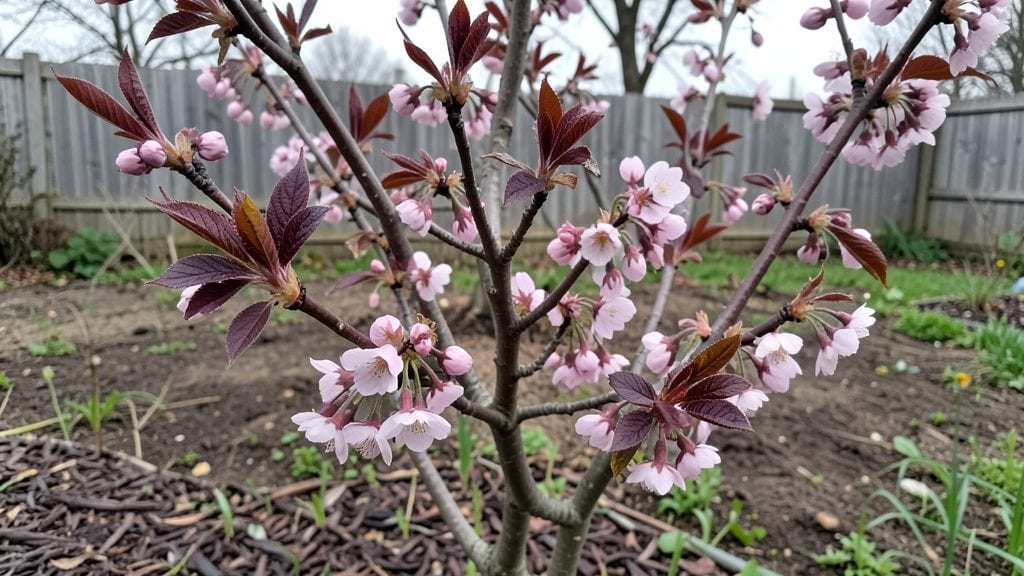
A flowering plum shrub 🌸 brings bold color to your yard—but only if you know how to prune it right. Without the right cuts, you could end up with fewer blooms or even a sickly shrub that never lives up to its potential.
Picture this: a winter landscape that looks like spring, with clusters of pink, white, or deep purple flowers lighting up the coldest months. That’s what a healthy flowering plum delivers—but it won’t happen if you prune at the wrong time or too aggressively.
I’ve seen firsthand how a few simple mistakes can turn a stunning shrub into a shadow of its former self.
In this guide, I’ll walk you through the exact steps to prune your flowering plum for maximum blooms, including when to cut (and when to leave it alone), how to fix common pruning blunders, and which tools to use.
Whether you’re a beginner or a seasoned gardener, these tips will keep your shrub thriving for years.
Ready to unlock the secrets? Let’s get started with the essential pruning schedule that’ll transform your yard into a winter wonderland.
When and how to prune flowering plum shrubs for maximum blooms
The flowering plum shrub (Prunus mume) rewards careful pruning with vibrant blooms that last for weeks. Unlike many shrubs, it blooms on old wood, meaning last year's growth produces this year's flowers.
Prune at the wrong time or too aggressively, and you risk losing those stunning spring blossoms entirely. Timing is everything—late winter or early spring, just before buds swell, is your best window.
Before you start, gather your pruning tools: sharp bypass pruners for clean cuts, loppers for thicker branches, and a disinfectant to sterilize tools between cuts. Safety first! Wear gloves and protective eyewear, as plum branches can be thorny.
Always prune on a dry day to minimize disease risk, and never prune when the shrub is wet or in active bloom.
Step-by-Step Pruning Guide for Flowering Plum Shrubs
-
Step 1: Remove Dead or Diseased Wood
Inspect the shrub for dead branches (no green bark) or diseased wood (mushrooms, black spots). Cut these out first, pruning back to healthy green tissue. -
Step 2: Thin Out Crowded Branches
Look for crossing branches or those rubbing together. Remove 1/3 of the oldest wood to improve airflow and sunlight penetration. Focus on branches growing inward or downward. -
Step 3: Shape the Shrub Lightly
Use selective pruning to maintain the shrub’s natural form. Avoid heavy shaping—this shrub blooms on old wood, so never remove more than 25% of the canopy in one season. -
Step 4: Clean Up the Base
Remove suckers (shoots growing from the base) and water sprouts (vertical shoots from lower branches). These drain energy from the shrub and reduce flowering. -
Step 5: Sterilize Tools and Mulch
Wipe pruners with rubbing alcohol between cuts to prevent disease spread. Apply 2-3 inches of mulch around the base to retain moisture and suppress weeds.
Never prune a flowering plum shrub after mid-spring, as this removes next year’s flower buds. If you must prune in summer, do so lightly to avoid stressing the plant.
Always make cuts just above a bud or branch collar, never leaving stubs. This ensures faster healing and reduces disease entry points.
For young shrubs (under 3 years old), focus on establishing a strong structure. Remove weak or competing branches early to encourage a balanced growth habit.
Older shrubs benefit from rejuvenation pruning every 3-5 years, where you remove up to 1/3 of the oldest branches at the base to stimulate new growth.
Watch for signs of over-pruning, like sparse foliage or no blooms. If this happens, the shrub may need a year of restricted pruning to recover. Always step back after pruning—your flowering plum shrub should look full and open, not bare or skeletal.
After pruning, give your shrub a deep watering to help it recover. Apply a balanced fertilizer (10-10-10) in early spring to support new growth. Avoid heavy fertilizing right after pruning, as this can stress the plant.
Monitor for pests or diseases like aphids or fungal spots, and treat promptly if they appear.
Pro tip: Take before-and-after photos of your pruning sessions. This helps track progress and ensures you’re not overdoing it. With the right approach, your flowering plum shrub will reward you with abundant blooms for years to come.
Remember, patience is key. Flowering plums respond best to gentle, consistent care. Avoid the temptation to prune heavily—this shrub thrives on minimal intervention once established. Happy pruning! 🌸
Flowering plum shrub pruning mistakes that kill your blooms (and how to fix them)
Your flowering plum shrub (Prunus mume) may look stunning now, but improper pruning can turn its showstopping blooms into a sad memory. Many gardeners accidentally stress their shrubs by cutting at the wrong time or using the wrong techniques.
The good news? Most mistakes are reversible with the right approach.
Even experienced gardeners sometimes over-prune or prune at the wrong season, thinking they're helping their shrub. But these errors can lead to fewer flowers, weak growth, or even disease susceptibility.
Let's identify the most common pruning pitfalls and how to rescue your shrub before it's too late.
Your flowering plum blooms on old wood, meaning last year's growth produces this year's flowers. Cutting back too aggressively removes these flower buds, resulting in sparse or no blooms. Even worse, improper cuts can invite bacterial infections or fungal diseases like silver leaf disease.
Signs your pruning went wrong:
- No blooms after 2+ years
- Yellowing leaves or dieback
- Oozing sap at pruning cuts
- Weak, leggy new growth
If you've pruned in summer, you've likely removed this year's flower buds before they could set. Flowering plums bloom on old wood, so summer cuts mean next year's blooms are gone. The fix? Stop pruning until late winter when the shrub is dormant.
Another common mistake is using dull tools, which tear instead of cleanly cut. Ragged edges invite pests and diseases, while clean cuts heal faster. Always use sharp bypass pruners or a pruning saw for thicker branches. Disinfect your tools with rubbing alcohol between cuts to prevent disease spread.
To revive a neglected flowering plum, start by removing dead or diseased branches first. Then, thin out crowded growth to improve airflow. Never remove more than 25% of the shrub's foliage in one season.
For severe neglect, spread pruning over 2-3 years, removing only 1/3 of the oldest wood each year.
After pruning, apply a balanced fertilizer (10-10-10) to help your shrub recover. Water deeply to reduce stress, and mulch around the base to retain moisture. With proper care, your flowering plum can bounce back and reward you with abundant blooms next spring.