
Plants
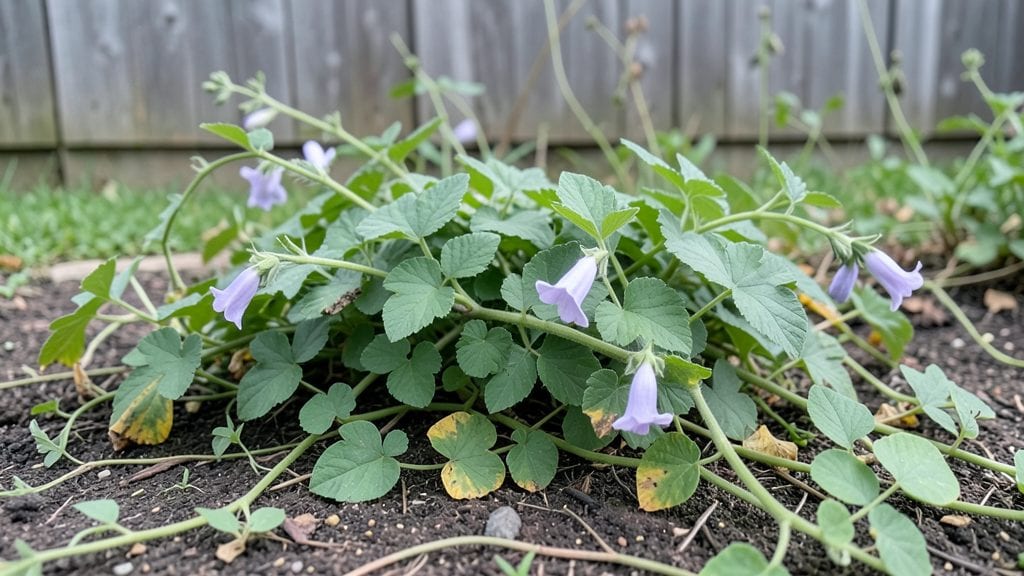
Growing a flowering potato vine 🌸 is one of the easiest ways to add instant color and drama to your garden or containers.
Picture this: long, trailing vines smothered in pink, purple, or white blooms by early summer—all while requiring less fuss than most annuals. This fast-growing beauty thrives in heat and drought once established, making it the perfect low-maintenance star for USDA Zone 6a and beyond.
But here’s the catch: Plant it too late, and you’ll miss the first flush of flowers. Or give it too much shade, and those 15-foot vines will stretch thin and leggy.
The good news? With the right timing and care, you’ll have a cascading masterpiece that blooms from June through September.
In this guide, I’ll walk you through everything—from choosing the perfect spot and planting after your last frost to pruning for maximum blooms and keeping pests at bay. By the end, you’ll know exactly how to coax year-round color from this effortless climber.
Flowering potato vine care guide: light, soil, and watering secrets
Flowering potato vine (Ipomoea batatas or Ipomoea quamoclit) is a gardener's dream—it thrives with minimal fuss while delivering stunning year-round color. To unlock its full potential, focus on three critical elements: light exposure, soil quality, and watering consistency.
These factors directly impact vine vigor, bloom density, and drought tolerance. Let’s dive into the exact conditions your vines need to flourish.
Many gardeners assume flowering potato vines are drought-proof, but they actually prefer consistent moisture without soggy roots. The key is balancing well-draining soil with regular watering—especially during peak summer heat.
I’ve found that amending clay-heavy soil with compost transforms struggling vines into lush, flowering powerhouses within weeks. Let’s start with the foundation: sunlight.
| Care Factor | Ideal Condition | Key Notes |
|---|---|---|
| Sunlight | 6+ hours direct sunlight daily | Morning sun + afternoon shade in hot climates (Zones 8+) |
| Soil Type | Well-draining, slightly acidic (pH 6.0-6.8) | Add perlite/compost to heavy clay; avoid waterlogged soil |
| Watering | Deep watering every 3-5 days (adjust for heat) | Water at soil level, not leaves; mulch retains moisture |
| Seasonal Adjustments | Spring: Feed + water; Summer: increase water; Fall: reduce feeding | Winter dormancy in cold climates (Zones 5-7) |
| Container Care | Fast-draining mix + larger pots (12"+) | Water daily in summer; fertilize every 3 weeks |
Your flowering potato vine’s sunlight needs are non-negotiable—6+ hours of direct sun is the golden rule. I’ve noticed vines in partial shade produce fewer blooms and grow leggy. For hotter regions (Zones 8-10), provide afternoon shade to prevent leaf scorch.
A south-facing window or trellis in full sun will reward you with continuous blooms from spring to frost. If your garden lacks full sun, consider growing in containers where you can move them daily.
When it comes to soil preparation, most gardeners overlook drainage—yet this is where problems begin. Flowering potato vines hate soggy roots, which lead to root rot and yellowing leaves. Amend your soil with 50% compost and 30% perlite for ideal aeration.
For container gardening, use a cactus/succulent mix with added worm castings. Test your soil’s pH; aim for 6.0-6.8—this slight acidity encourages vibrant foliage and more flowers.
Watering is where many gardeners go wrong. While flowering potato vines are drought-tolerant once established, they need deep, infrequent watering to develop strong roots. I water mine at the soil level (not overhead) to prevent fungal diseases like powdery mildew.
In summer, increase frequency to every 2-3 days if temperatures exceed 90°F. A simple trick: stick your finger 2 inches into the soil—if it’s dry, water thoroughly.
Seasonal adjustments make all the difference. In spring (March-May), focus on light feeding with a balanced 5-10-10 fertilizer to kickstart growth. By summer (June-August), switch to a low-nitrogen, high-phosphorus formula (like 2-10-10) to boost blooming.
In fall (September-October), taper off fertilizing and reduce watering. For winter care in cold climates (Zones 5-7), cut back vines and mulch heavily to protect roots.
Container gardening changes the game. Pots dry out 3x faster than garden beds, so monitor soil moisture daily in summer. Use terracotta pots for better drainage and add hydrogel crystals to retain moisture.
Remember: containers need more frequent watering and weekly feeding during peak growth. My 'Margarita' variety in a 15-gallon pot blooms nonstop when given these adjustments.
Common mistakes derail even the most enthusiastic gardeners. Overwatering is the #1 killer—yellow leaves and mushy stems signal root rot. Another red flag: brown leaf tips often mean underwatering or fluoride buildup from
How to train and prune flowering potato vine for maximum color
The flowering potato vine (Ipomoea batatas) thrives when given proper support and pruning. Without guidance, its vines can become tangled and overgrown, reducing blooms. By training and pruning strategically, you’ll encourage bushier growth and continuous flowering all season long.
The key lies in combining trellising techniques with seasonal pruning to maintain its vigor while maximizing color.
Start by installing a trellis or support structure within 2-4 weeks of planting. This prevents vines from sprawling and encourages upward growth. Use soft ties or twine to gently secure stems without damaging them.
Pruning isn’t just about cutting back—it’s about shaping the vine to promote airflow and sunlight penetration, which directly impacts flower production. Let’s break down the exact steps for year-round success.
Set up a trellis, arbor, or wire frame within 2-4 weeks of planting. Use 10-12 ft tall supports for maximum height. Secure with soft plant ties or twine to avoid stem damage.
Pinch back new growth tips when vines reach 6-12 inches. This encourages lateral branching and more flowers. Use clean, sharp pruning shears to avoid tearing stems.
Trim weak or overcrowded stems to improve airflow. Focus on vines with fewer than 3 leaves or those growing away from the main structure. This redirects energy to stronger, flowering branches.
Snip off spent blooms every 2-3 weeks to prevent seed formation. This triggers new flower production and extends the blooming season. Use fingers or small scissors for precision.
Spring: Prune damaged winter growth and fertilize lightly. Summer: Prune every 4-6 weeks to maintain shape. Fall: Reduce pruning as growth slows. Avoid heavy cuts in winter.
For container gardening, use a small trellis or cage to save space. Prune more aggressively in pots to control size, but never cut more than 1/3 of the vine at once.
This prevents shock and keeps the plant thriving. Always sterilize your pruning tools with rubbing alcohol to avoid spreading disease between cuts.
Watch for yellowing leaves or stunted growth—signs of over-pruning. If you notice these, reduce future cuts and focus on fertilizing with a balanced 5-10-10 mix to revive the vine.
With consistent training and pruning, your flowering potato vine will reward you with vibrant blooms from summer through fall and even into early winter in warm climates.
🌿