
Shrubs
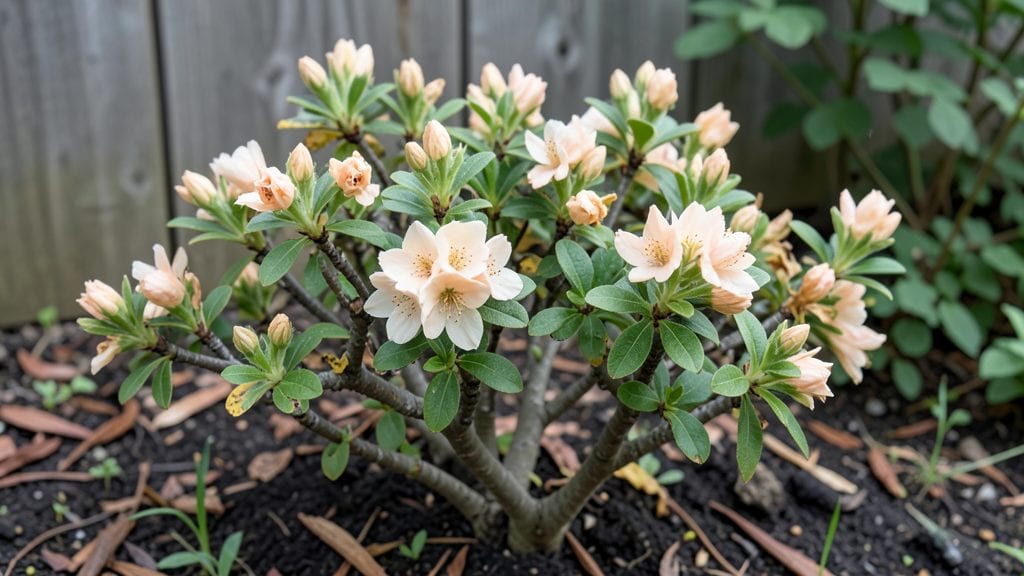
A flowering quince hedge 🌸 transforms any garden into a fragrant, four-season masterpiece with almost no effort.
If you dream of a vibrant, low-maintenance hedge that bursts with color in spring and holds its charm through winter, flowering quince could be your perfect solution—this hardy shrub thrives with minimal pruning while delivering year-round visual appeal.
Unlike fussy hedges that demand constant shaping, this shrub rewards you with fragrant blooms in early spring, glossy foliage in summer, and striking bark texture in winter. Plus, it handles urban pollution and poor soil better than many alternatives, making it a top pick for city gardens.
Below, I’ll show you how to plant, prune, and style your flowering quince hedge for maximum impact—whether you’re going for a formal border, a cottage-garden look, or a pollinator-friendly retreat.
Why flowering quince makes an ideal low-maintenance hedge
If you're tired of battling pests and disease-prone hedges like boxwood or privet, flowering quince (Chaenomeles) offers a refreshing alternative. This hardy shrub thrives in urban environments and challenging climates while demanding far less attention than traditional hedges.
Unlike fussy varieties, flowering quince delivers seasonal color from early spring to winter, making it a standout choice for low-maintenance landscaping.
What sets flowering quince apart is its natural resilience. It tolerates drought conditions, poor soil, and even urban pollution—perfect for city gardens or high-traffic areas. Plus, its thorny branches act as a natural deterrent for deer and rabbits, reducing the need for chemical sprays.
For gardeners seeking beauty without the upkeep, this shrub checks all the boxes.
Unlike boxwood hedges that require frequent pruning to maintain shape, flowering quince grows densely with minimal intervention. Its arching branches and fragrant blooms create a lush, textured hedge that evolves with the seasons.
In spring, vibrant flowers burst forth, followed by glossy foliage that turns fiery red in autumn. Even in winter, its exfoliating bark adds visual interest, ensuring your hedge remains a focal point year-round.
Flowering quince also outperforms privet in disease resistance. While privet hedges often succumb to fungal infections like powdery mildew, flowering quince rarely faces such issues. This makes it ideal for humid climates or areas with limited airflow.
Its ability to thrive in partial shade further expands its versatility, allowing it to flourish in spots where other hedges would struggle.
For urban gardeners, flowering quince is a game-changer. It adapts to compacted soil and limited space, making it perfect for small yards or container gardening.
Its moderate growth rate means you won’t need to prune aggressively to control its size—just a light trim after flowering to maintain your desired shape. This shrub truly embodies the "plant it and forget it" philosophy while still delivering stunning results.
Another standout feature is its pollinator-friendly nature. The bright, fragrant flowers attract bees and butterflies in early spring, adding an extra layer of ecological benefit to your landscape. Unlike some hedges that offer little beyond structure, flowering quince actively supports local wildlife while enhancing your garden’s aesthetic appeal.
Let’s break down why flowering quince outperforms other hedges in key categories like care requirements, seasonal interest, and climate adaptability. The following table highlights its advantages at a glance, making it clear why this shrub is a top contender for your next hedge project.
| Category | Flowering Quince | Boxwood | Privet |
|---|---|---|---|
| Maintenance Level | Very Low | High | Moderate |
| Seasonal Interest | Spring to Winter | Spring to Fall | Spring to Fall |
| Disease Resistance | Excellent | Moderate | Low |
| Soil Tolerance | Poor to Rich | Well-Drained | Moderate |
| Urban Adaptability | High | Moderate | Low |
| Pruning Needs | Minimal | Frequent | Moderate |
| Pollinator Appeal | High | Low | Moderate |
| Winter Hardiness |
Planting and pruning tips for a thriving flowering quince hedgeA flowering quince hedge thrives with the right care, offering stunning spring blooms and winter interest with minimal effort. Unlike fussy hedges, quince adapts to challenging soils and urban conditions, making it ideal for both formal and naturalistic gardens. The key lies in proper planting techniques and strategic seasonal pruning to maintain its shape while encouraging lush growth. When establishing your hedge, prioritize well-draining soil and full sun exposure—these two factors directly impact bloom abundance and plant health. Quince tolerates partial shade, but vibrant flowers require at least 6 hours of sunlight daily. Spacing plants 3-5 feet apart ensures airflow, reducing disease risk while allowing room for mature growth. Let’s dive into the essential steps to plant and prune for a hedge that stays lush year-round. 1
Prepare the Planting SiteChoose a location with full sun to partial shade and well-draining soil. Amend heavy clay with compost or sand to improve drainage. Dig holes twice as wide as the root ball but only as deep. 2
Plant at the Right DepthPlace the root ball so the top is level with the soil surface. Backfill with native soil mixed with compost and gently tamp down. Space plants 3-5 feet apart for a dense hedge. 3
Water Thoroughly After PlantingGive newly planted quince a deep watering to settle the soil. Maintain consistent moisture for the first 2-3 weeks to encourage root establishment. Avoid waterlogging. 4
Apply Mulch for Moisture RetentionSpread 2-3 inches of mulch around the base, keeping it 3 inches away from the trunk. Use organic mulch like wood chips or straw to suppress weeds and retain moisture. 5
Prune for Shape in Late WinterTrim back one-third of the previous year’s growth using clean, sharp shears. Focus on shaping the hedge by cutting just outside the bud to encourage dense growth. 6
Fertilize Lightly in SpringApply a balanced fertilizer (10-10-10) in early spring to promote new growth and blooms. Avoid over-fertilizing, as quince thrives in moderate soil fertility. 7
Monitor for Pests and DiseasesQuince is generally disease-resistant, but watch for aphids or fire blight. Remove infected branches immediately and treat with neem oil if needed. Pruning your flowering quince hedge is simpler than you think. The key is timing: late winter or early spring (before new growth starts) is ideal. Remove dead or crossing branches first, then shape the hedge by cutting back one-third of the previous year’s growth. Avoid heavy pruning in fall, as it can stimulate tender growth that may freeze in winter. For a fuller hedge, trim lightly after flowering to encourage dense foliage. Never remove more than one-third of the plant’s growth in a single season, as this can stress the shrub. With proper care, your quince hedge will reward you with vibrant blooms and year-round |