
Shrubs
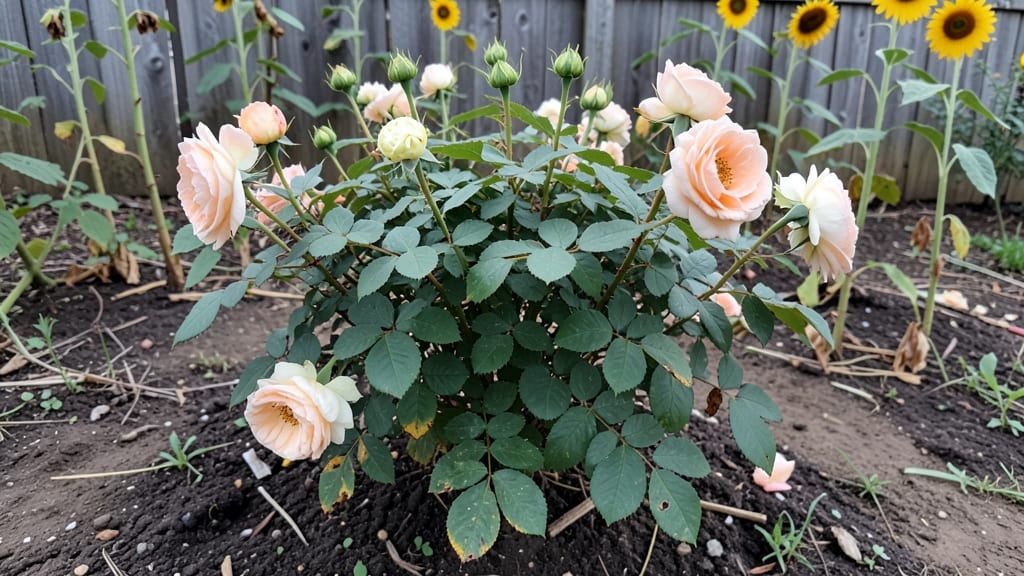
Growing flowering rose bushes 🌹 that burst into bloom from spring through fall isn’t just about luck—it’s about knowing the right timing, technique, and tools to keep them thriving.
Struggling to keep your flowering rose bushes blooming all season? The secret isn’t just water or fertilizer—it’s mastering the timing, technique, and tools of pruning that transforms a struggling bush into a nonstop floral masterpiece.
Most gardeners focus on planting and feeding, but pruning is what unlocks continuous blooms. Whether you’re dealing with hybrid teas, floribundas, or climbers, the way you cut (and when) determines how long your roses will shine.
In this guide, I’ll break down the exact pruning schedule, step-by-step cutting methods, and the tools you need to turn your roses into a year-round showstopper—no guesswork required.
When and how to prune flowering rose bushes for maximum blooms
If your flowering rose bushes look tired by midsummer, it’s not too late to revive them—pruning is the key to unlocking a second (or even third!) flush of stunning blooms.
I’ve learned the hard way that skipping this step means fewer flowers, weaker stems, and bushes that struggle to recover. The right timing, technique, and tools can turn a struggling rose into a nonstop floral powerhouse.
Most gardeners focus on spring pruning, but the real secret lies in a seasonal pruning schedule tailored to your rose type—whether it’s hybrid teas, floribundas, or climbing roses. Each variety responds differently, and cutting at the wrong time can stunt growth or invite disease.
Let’s break down the exact steps to prune for maximum blooms, so you can enjoy roses from early summer through fall.
Step-by-Step Pruning Schedule for Year-Round Blooms
- Late Winter (Feb-March): Hard Prune – Cut back hybrid teas and grandifloras by ⅓ to ½ their height. Remove dead, diseased, or crossing branches. Look for the graft union (bulge near the base) and prune just above an outward-facing bud or 5-leaflet cluster.
- Early Spring (April): Light Prune – Trim floribundas and shrub roses to shape, removing only weak or leggy growth. Avoid heavy cuts—these roses bloom on old wood, so preserve last year’s framework.
- After First Bloom (June): Deadhead & Thin – Snip off spent blooms down to the first 5-leaflet cluster. Thin out overcrowded canes to improve airflow, reducing black spot risk. For climbers, prune only to shape—never cut back old wood.
- Late Summer (August): Rejuvenation Prune – Give overgrown bushes a light trim to encourage fall blooms. Remove any suckers (shoots below the graft union) and water sprouts (vertical growth from the base).
- Fall (October): Minimal Prune – Only remove dead or diseased wood. Avoid heavy cuts—roses need energy reserves for winter. Mulch heavily to protect roots.
Timing is everything—cut too early, and you risk frost damage or stunted growth. Cut too late, and you lose potential blooms. For hybrid teas, which bloom on new wood, aggressive late-winter pruning is non-negotiable.
But old garden roses and climbers thrive with minimal cuts, as they rely on last year’s wood for flowers.
Your pruning tools matter just as much as your technique. Use bypass pruners for clean cuts on stems under ½ inch thick, and loppers for thicker branches. For climbers, a pruning saw is essential.
Always cut at a 45-degree angle, just above a bud or leaf node, to encourage outward growth and prevent water from pooling on the wound.
Don’t forget to disinfect tools between cuts—black spot and powdery mildew spread like wildfire through open wounds. I learned this the hard way when my prized ‘Knock Out’ roses developed spots after sharing shears between healthy and infected branches.
A quick wipe with 70% isopropyl alcohol saves hours of cleanup later.
After pruning, give your roses a balanced fertilizer (like 10-10-10) to fuel new growth. For organic gardeners, a mix of compost and fish emulsion works wonders. Water deeply at the base—avoid wetting the foliage to prevent fungal infections.
Within weeks, you’ll see fresh green canes and new buds forming, setting the stage for a second bloom cycle.
If your roses still look sparse after pruning, they might need rejuvenation pruning. For overgrown bushes, cut back ⅓ of the oldest canes to the ground in late winter.
This forces the plant to send up vigorous new growth from the base. Pair this with regular deadheading throughout the season to keep blooms coming.
Remember, roses reward patience. A well-pruned bush not only looks stunning but also resists disease and blooms longer. Start with the right tools, follow the seasonal schedule, and soon your garden will be a floral paradise from spring to frost.
Common pruning mistakes that kill your rose bushes’ blooms
Even the most experienced gardeners accidentally sabotage their flowering rose bushes with pruning blunders that seem harmless at first. I’ve seen overzealous cuts turn lush bushes into bare sticks overnight, while wrong timing leaves roses struggling to rebloom.
The good news? Most mistakes are fixable—and avoiding them is easier than you think.
Pruning isn’t just about slicing and dicing branches. It’s a delicate balance of encouraging growth, removing dead wood, and stimulating blooms. One wrong move can send your roses into a bloom drought for months.
Let’s uncover the top 5 pruning sins and how to reverse their damage before it’s too late.
⚠️ Your Roses Are Dying—Here’s Why
Over-pruning in late winter removes next season’s flower buds before they form. Flowering rose bushes rely on old wood for blooms, so aggressive cuts in January-February can leave you with bare stems by spring.
Wrong cut angles (leaving stubs) invite disease and pests. Always cut 1/4 inch above an outward-facing bud at a 45-degree angle to redirect growth upward and away from the center.
Let’s start with the biggest blooming killer: pruning at the wrong time. Many gardeners rush to clean up their roses in early spring, but flowering varieties like Knock Out® roses and Floribunda roses need their dormant buds intact until late winter.
Cutting too soon removes the energy reserves stored in last year’s wood.
Another silent bloom thief? Improper cut placement. I’ve seen gardeners leave stubs or cut into old canes instead of removing them entirely. These wounded branches become entry points for black spot fungus and powdery mildew.
Always cut back to the base if a cane is dead or diseased, and sterilize your tools between cuts with rubbing alcohol.
If your roses look stressed after pruning, don’t panic. Start by watering deeply (1-2 gallons per plant) and applying a balanced fertilizer (10-10-10) to jumpstart new growth. For severely over-pruned bushes, prune again in early summer to encourage reblooming—just focus on light shaping rather than heavy cuts.
Remember: patience is key. Roses pruned correctly will reward you with vibrant blooms in 6-8 weeks. Keep an eye out for new shoots emerging from the base—these are your signs of recovery. With the right technique, even a once-struggling bush can become your garden’s star performer.