
Trees
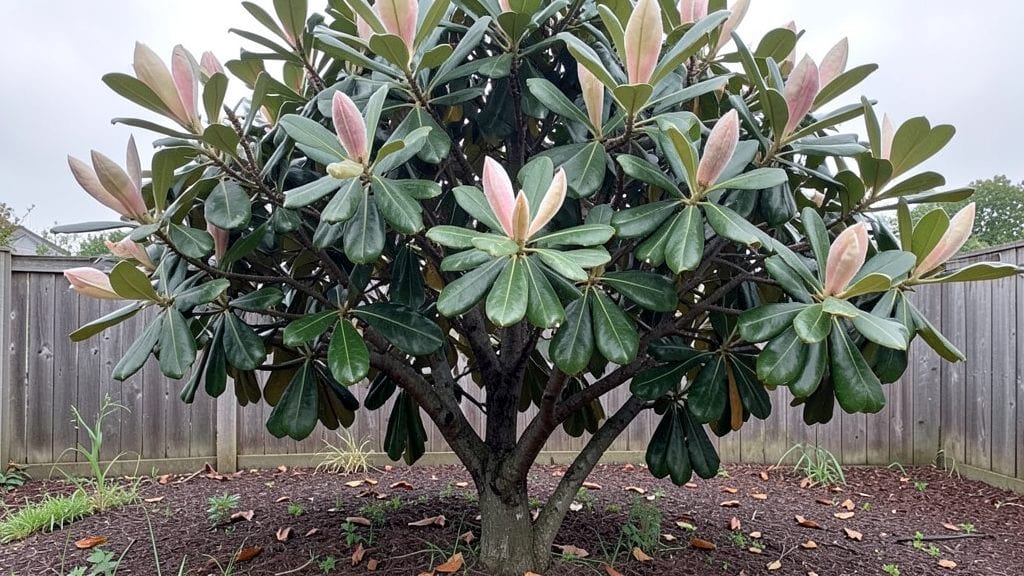
Your magnolia tree flower buds are the promise of next year’s showstopping blooms 🌸 — and they need the right care now to deliver.
Magnolia trees are famous for their stunning, fragrant blooms—but did you know the secret to next year’s showstopping flowers starts with this year’s pruning? Timing and technique make all the difference in coaxing out the biggest, healthiest buds.
Pruning at the wrong time can accidentally snip off next year’s blooms, while proper cuts encourage stronger growth. In USDA Zone 6a, late winter is your best window to shape the tree without risking damage to dormant buds.
Below, I’ll walk you through the exact steps to identify and protect flower buds, the best tools to use, and how to avoid common mistakes that leave your magnolia looking bare next spring.
Best time to prune magnolia tree flower buds for maximum blooms
Pruning your magnolia tree at the right time can transform next year’s blooms from modest to spectacular. The key lies in understanding when flower buds form and how pruning impacts their development.
If you prune too late, you risk removing buds before they’ve even formed, while cutting too early can stress the tree. For maximum blooms, timing is everything—and the best window is surprisingly narrow.
Most gardeners assume spring is the only time to prune, but late winter (just as buds begin to swell) and early spring (before buds open) are your golden opportunities. The difference between these two periods isn’t just about months—it’s about the tree’s internal clock.
Buds for next year’s flowers start forming after this year’s blooms fade, so pruning too late can accidentally trim away next season’s potential.
Here’s the critical distinction: Late winter pruning (February–March) focuses on shaping and removing dead wood, while early spring pruning (March–April) must be done before buds break. Miss this window, and you might sacrifice blooms for years to come.
Let’s break down the exact timing and what it means for your magnolia’s future flowers.
The late winter window (February–March) is ideal for structural pruning because most magnolias haven’t yet formed buds for the following year. This is when you can safely remove dead wood, thin crowded branches, and improve airflow—all without risking next season’s blooms.
The key is to finish by the time buds begin to swell, which usually happens 4–6 weeks before blooming.
For example, if your Southern magnolia blooms in April, aim to prune by mid-February at the latest. This timing ensures you’re not touching buds that are already forming. Miss this window, and you might accidentally trim away next year’s flower buds before they’ve even appeared.
Always check for tiny green swellings on branches—these are your first sign that buds are developing.
Early spring (March–April) is trickier because buds are often visible or just beginning to form. If you prune during this window, you risk removing next year’s blooms entirely. The safest approach is to limit pruning to light shaping and removing only last year’s spent blooms.
Even then, avoid heavy cuts—stick to 10–15% of the canopy max to preserve bud development.
One common mistake is pruning after buds break but before flowers open. This is especially risky for Star magnolias and Saucer magnolias, which form buds on old wood. If you cut back too much, you’ll reduce next year’s blooms by up to 50%.
Always wait until after blooms have fully faded before doing any significant pruning—this ensures buds for next season are already safe.
Your USDA hardiness zone plays a huge role in timing. In Zone 7 or warmer, buds may swell as early as January, while in Zone 5 or colder, you might have until late March.
Pay attention to local frost dates: prune at least 4–6 weeks before your area’s last expected frost to avoid stressing the tree.
Pro tip: Use a magnifying glass to inspect branches for tiny green buds before pruning. If you see them, stop cutting immediately—those are next year’s flowers in the making!
For young magnolias (under 5 years old), prune lightly in late winter to encourage strong branch development, but avoid heavy cuts that could stunt bud formation.
Remember, magnolias are slow growers, and aggressive pruning can set back blooming for 2–3 years. When in doubt, prune less—you can always do more next year. The goal is to preserve those buds so your magnolia puts on its best show next spring.
Step-by-step pruning techniques to protect flower buds
Pruning your magnolia tree correctly ensures next year’s flower buds stay healthy and vibrant. The key is knowing where to cut and when to stop—especially for varieties like Southern magnolias, Star magnolias, and Saucer magnolias, which form buds on old wood.
One wrong cut can mean fewer blooms, so precision matters.
Start by gathering the right pruning tools. A sharp bypass pruner and sterilized shears prevent jagged cuts that stress the tree. Avoid dull tools, which tear branches and invite disease.
For larger branches, use loppers or a pruning saw, but only if absolutely necessary—magnolias bloom best with minimal interference.
How to Identify and Preserve Flower Buds
- Step 1: Locate flower buds on last year’s growth. They appear as plump, greenish-brown swellings along branches, often near leaf nodes. Star magnolias have buds that look like tiny footballs, while Southern magnolias have larger, egg-shaped buds.
- Step 2: Avoid cutting anywhere near buds. Prune only dead, diseased, or crossing branches—never remove branches bearing buds. For Saucer magnolias, focus on thinning out crowded growth to improve airflow without harming buds.
- Step 3: Make cuts at a 45-degree angle, 1/4 inch above a bud or branch collar. This promotes faster healing and reduces water sprouts. Always cut just outside the branch collar to avoid damaging the tree’s protective layer.
- Step 4: Sterilize tools between cuts with rubbing alcohol or a 10% bleach solution to prevent spreading fungal diseases. Magnolias are prone to anthracnose, so cleanliness is critical.
- Step 5: Remove only 10-20% of the tree’s foliage in one session. Over-pruning stresses the tree and can reduce next year’s blooms. Southern magnolias are particularly sensitive—limit cuts to non-flowering branches only.
Common mistakes like pruning too late or cutting into buds can drastically reduce blooms. For example, pruning after late May risks removing next year’s flower buds, which form in summer. Always prune in late winter or early spring (before buds swell) to avoid this pitfall.
After pruning, mulch around the base with 2-3 inches of organic mulch to retain moisture and protect roots. Water deeply but avoid overwatering, which can cause root rot. Star magnolias benefit from light fertilization in early spring, but skip heavy feeding—it encourages leafy growth over flowers.
Monitor your magnolia for bud drop or yellowing leaves after pruning. These signs often mean stress or disease. If buds fail to develop by late summer, consider balanced fertilizer (like 10-10-10) to support next year’s growth. Patience and precision now mean showstopping blooms next spring.