
How To
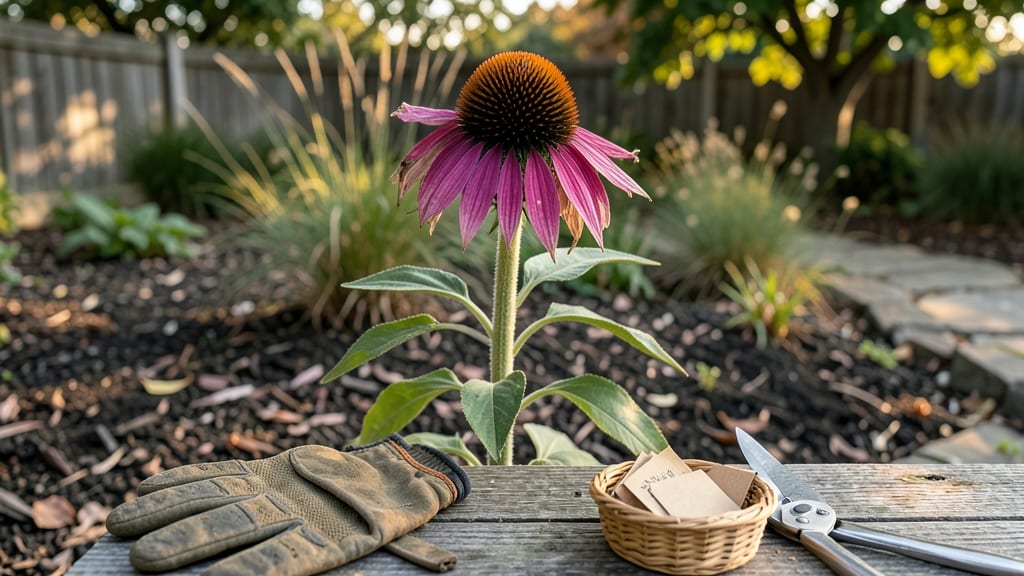
Harvesting purple coneflower seeds 🌼 at the right time ensures you’ll have healthy plants for next year’s garden, but timing and technique make all the difference.
Picture this: you’ve spent months nurturing your purple coneflowers, and now the seed heads are drying out. But if you pick them too early—or too late—the seeds won’t be viable.
One wrong move, and you could end up with a bag of useless fluff instead of a future garden full of pollinator-friendly blooms.
This guide will walk you through the exact steps to harvest, dry, and store seeds properly, so you don’t waste a single one. From recognizing the perfect moment to avoid common pitfalls, you’ll learn how to maximize your yield and keep those seeds fresh until planting season.
Whether you’re a beginner or a seasoned gardener, these tips will help you turn your coneflowers into a self-sustaining part of your garden—no expensive seeds required.


The best time to harvest purple coneflower seeds for maximum viability
Timing is everything when harvesting purple coneflower seeds (Echinacea purpurea). Waiting too long risks seed loss to birds or mold, while harvesting too early means poor germination. The ideal window spans late summer to early fall, typically August through October, depending on your USDA hardiness zone.
This period balances seed maturity with dry weather conditions, ensuring your seeds stay viable for next season's garden.
Look for three key maturity signs: seed heads that turn from green to tan or brown, petals that have mostly fallen away, and seed heads that feel dry and brittle when touched.
These visual cues confirm the seeds are ready for collection. In my experience, waiting until the seed heads rattle when shaken guarantees the highest germination rates.
Regional differences matter—gardeners in warmer climates (Zones 8-10) should harvest earlier (late August to September), while those in cooler zones (4-7) can extend harvesting into October. Always check the weather forecast for dry conditions; harvesting during or after rain increases the risk of mold or premature sprouting.
Morning is the best time to harvest—seed heads are driest, reducing mold risk. Use clean, sharp pruners to cut the entire seed head, leaving a 1-inch stem attached. Avoid pulling seeds directly from the plant, as this can damage the stem and reduce next year's blooms.
I always collect seeds on a dry, sunny day to prevent moisture buildup during storage.
One common mistake is harvesting seeds too early—green seed heads won’t produce viable seeds. Conversely, waiting until after a hard frost can reduce germination rates by 30-50%. In my Zone 6a garden, I aim to finish harvesting by mid-October to avoid frost damage.
If you miss the window, don’t worry; stored seeds remain viable for 2-3 years when kept properly.
Weather plays a crucial role—humid conditions can cause seeds to mold before drying. If rain is forecasted, harvest immediately, even if seed heads aren’t fully mature. In drought-prone areas, irrigate lightly the day before harvesting to ensure seed heads are fully dry.
Always prioritize dry, stable conditions over perfect maturity to protect your seed yield.
For gardeners in cooler climates (Zones 3-5), focus on harvesting by late September to avoid early frosts. In warmer zones (8-10), extend harvesting into November, but monitor for pests like squirrels or birds that may snatch seeds before you do.
I’ve found using mesh bags over seed heads can deter wildlife while allowing seeds to mature naturally.
After harvesting, dry seeds indoors for 1-2 weeks in a well-ventilated, dry area before storage. Proper drying prevents mold and extends seed viability. Store seeds in paper envelopes or airtight containers with a silica gel packet to absorb moisture.
Label each container with the harvest date and variety to track freshness.
Remember, patience pays off—rushing the harvest process can lead to poor germination rates. By following these timing guidelines and regional adjustments, you’ll ensure a bountiful seed harvest ready for next season’s garden. Happy harvesting! 🌾
Step-by-step guide: how to collect and store purple coneflower seeds properly
Harvesting purple coneflower seeds at the right time ensures high germination rates and saves you money for next year’s garden. Once you’ve identified mature seed heads (those that are tan-brown and brittle), follow these steps to collect and store them properly.
Proper handling prevents mold, pests, and moisture damage while maximizing seed viability.
Gather your tools: a pair of clean pruning shears, paper bags or breathable mesh bags, and a dry, well-ventilated space for drying. Avoid plastic bags—they trap moisture and encourage mold.
Work on a dry, sunny day to minimize humidity exposure. Timing is critical; harvest seeds before they scatter naturally, but only after they’ve fully matured.
- 1 Cut the seed heads when they’re dry and brittle, using clean shears to avoid damaging the stems. Leave about 2 inches of stem attached to each head for easier handling.
- 2 Hang or lay out the seed heads in a dry, shaded area for 1–2 weeks. Use a brown paper bag or mesh bag to contain seeds that may fall out during drying.
- 3 Separate seeds from chaff by rubbing the dried heads between your hands over a clean sheet of paper. Discard debris and retain only the plump, dark seeds.
- 4 Store seeds in a cool, dry place (ideal: 35–40°F) in an airtight container with a silica gel packet to absorb moisture. Label with the harvest date for tracking.
Avoid harvesting seeds too early—they won’t be fully mature, leading to poor germination rates. Conversely, wait too long, and birds or wind may scatter them before you can collect them. If you notice mold or dampness during storage, transfer seeds to a drier container immediately to prevent spoilage.
For long-term storage, test germination annually by planting a few seeds. If fewer than 70% sprout, replace your seed stock. Purple coneflower seeds remain viable for 2–3 years under ideal conditions, but fresh seeds always yield the best results.
Store containers in a dark, cool pantry away from direct sunlight to preserve viability.
Pro tip: If squirrels or birds are raiding your seed heads, cover them with fine mesh netting once they’re mature but before they dry completely. This protects your harvest while allowing seeds to ripen naturally.
With proper storage, you’ll have a ready supply of seeds for next year’s pollinator-friendly garden! 🌾