
Plants
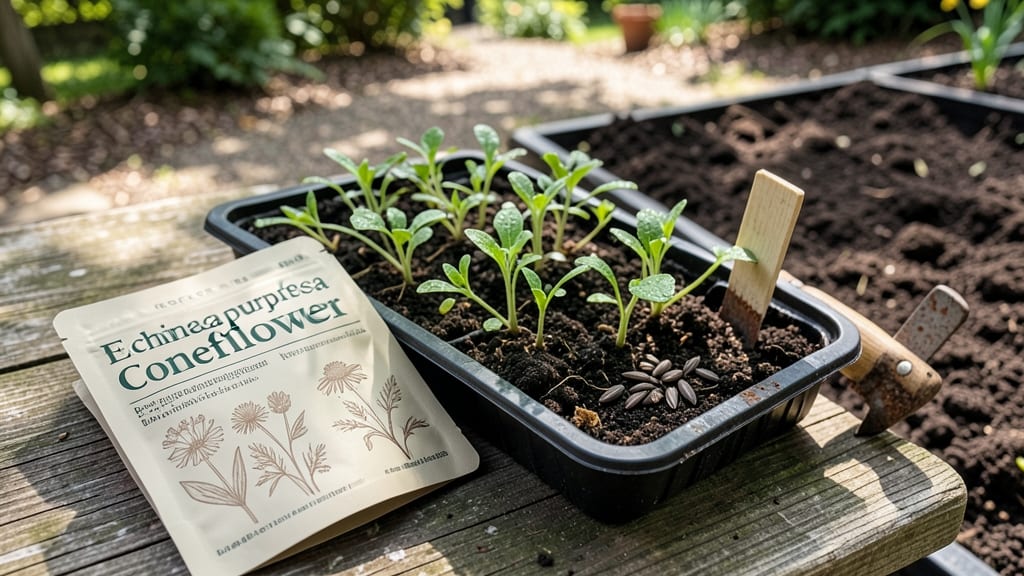
Planting coneflower seeds at the right time ensures strong roots and vibrant blooms 🌼 — the key is knowing whether your climate favors spring or fall.
Struggling to decide whether spring or fall is the best time to plant coneflower seeds? Timing can make the difference between thriving blooms and weak, struggling plants.
In USDA Zone 6a, where many gardeners grow coneflowers, fall planting often gives seeds a head start on root development before winter, while spring planting lets you take advantage of warmer soil temperatures.
Below, I’ll break down the exact planting windows for your region, soil prep tips, and how to avoid common mistakes that can kill your seeds before they even sprout.
Optimal planting times for coneflower seeds: spring vs fall comparison
Deciding between spring and fall planting for your coneflower seeds depends on your USDA hardiness zone and local climate. Both seasons offer advantages, but understanding their unique conditions helps you choose the best timing for strong root development and vibrant blooms. Let's break down the key differences.
In spring, coneflowers benefit from warming soil and longer daylight hours, which accelerate germination. However, early planting risks late frosts that can damage tender seedlings. Fall planting, on the other hand, allows seeds to establish roots before winter dormancy, often resulting in hardier plants the following year.
Your decision hinges on frost dates, soil temperature, and regional climate patterns. For example, gardeners in USDA Zones 3-5 often prefer fall planting to avoid spring's unpredictable weather, while those in Zones 6-9 may find spring planting more reliable.
| Factor | Spring Planting | Fall Planting |
|---|---|---|
| Best Time | After last frost (April-May) | 6-8 weeks before first frost (Sept-Oct) |
| Soil Temperature | 50-60°F (10-15°C) | 40-50°F (4-10°C) |
| Germination Time | 7-14 days | 10-21 days (slower) |
| Root Development | Moderate (fast growth) | Strong (overwintering) |
| Frost Risk | High (early planting) | Low (established roots) |
| Best For Zones | 6-9 (mild winters) | 3-8 (cold winters) |
For spring planting, aim to sow coneflower seeds 2-3 weeks after your area's average last frost date. This timing ensures soil has warmed enough for germination while minimizing frost damage.
In USDA Zone 6a, this typically means mid-April to early May, but always check local frost predictions.
Fall planting offers a distinct advantage: seeds have time to germinate slowly and develop deep root systems before winter. Plant 6-8 weeks before your first expected frost.
In colder regions like Zone 4, this could be as early as late August, while in Zone 7, September works perfectly.
One critical factor is soil temperature. Coneflower seeds germinate best when soil reaches 50°F (10°C) or warmer. In spring, this often aligns with late April or May, while fall soil may still be warm enough until early October in many regions. Use a soil thermometer to confirm readiness.
Regional variations play a huge role. In the Pacific Northwest, where winters are mild, spring planting often succeeds with minimal risk. Meanwhile, in the Midwest, fall planting is preferred to avoid late spring frosts that can devastate seedlings.
Always consider your local microclimate—urban areas may warm faster than rural ones.
If you're unsure which season suits your garden, consider direct seeding both spring and fall in small batches. This approach lets you compare results and determine which timing works best for your specific conditions. Just be sure to label your rows clearly to track performance.
Remember, proper seed depth is crucial for both seasons. Plant coneflower seeds ¼ inch deep in well-draining soil to prevent rot. Whether you choose spring or fall, timing your planting with these climate-based guidelines will give your coneflowers the best start for healthy growth and showstopping blooms.
How to prepare coneflower seeds for spring and fall planting
Preparing coneflower seeds properly ensures strong germination and healthy plants. Whether you're planting in spring or fall, the right techniques make all the difference. Coneflowers thrive with minimal fuss, but their seeds need specific conditions to break dormancy and sprout reliably.
I’ve learned that stratification and soil prep are key, especially in colder climates where seeds might struggle to germinate.
For spring planting, focus on cold stratification to mimic winter conditions. This process tricks seeds into thinking they’ve survived a cold season, prompting them to germinate when temperatures rise. In fall planting, nature handles much of the work for you—seeds experience natural stratification in the soil over winter.
However, a little extra prep can boost your success rate, especially in warmer regions where winters are mild.
- Step 1: Choose Fresh Seeds Use coneflower seeds from a reputable supplier, ideally harvested the previous year. Older seeds may have lower germination rates. Store them in a cool, dry place until ready to plant.
- Step 2: Stratify for Spring Planting Mix seeds with moist sand or peat moss in a sealed container. Refrigerate for 4-6 weeks to simulate winter. Check moisture weekly—seeds should stay damp but not soggy.
- Step 3: Prep Soil for Planting Coneflowers prefer well-draining soil with a slightly acidic to neutral pH (6.0-7.0). Amend heavy clay with compost or sand to improve aeration. Work in 1-2 inches of compost before planting.
- Step 4: Plant at the Right Depth Sow seeds ¼ inch deep, spacing them 12-18 inches apart. Lightly cover with soil and water gently to avoid displacing seeds. Keep the soil consistently moist until germination.
- Step 5: Fall Planting Tips Plant seeds 6-8 weeks before your first frost. This gives them time to germinate and develop small roots before winter. Mulch with 2-3 inches of straw to protect seeds from freezing.
- Step 6: Monitor for Germination Spring-planted seeds typically germinate in 10-20 days at 60-70°F soil temps. Fall-planted seeds may sprout the following spring. Thin seedlings to 12-18 inches apart once they’re 3-4 inches tall.
After planting, water deeply but infrequently to encourage strong root growth. Coneflowers are drought-tolerant once established, but young seedlings need consistent moisture. Avoid overwatering, which can lead to rot or fungal issues.
In my garden, I’ve found that mulching around seedlings helps retain moisture and suppress weeds, giving young plants a competitive edge.
One common mistake I’ve seen is planting coneflower seeds too early in spring when soil is still cold. If your region has late frosts, wait until the soil reaches at least 50°F before sowing.
For fall planting, avoid sowing too close to frost dates, as seeds may not have time to germinate before winter sets in. Always check your USDA hardiness zone for local guidelines.
With the right preparation, your coneflower seeds will germinate reliably and produce vibrant blooms for years. Whether you plant in spring or fall, these steps ensure your seeds get the best possible start. Happy gardening! 🌼🌱