
Plants
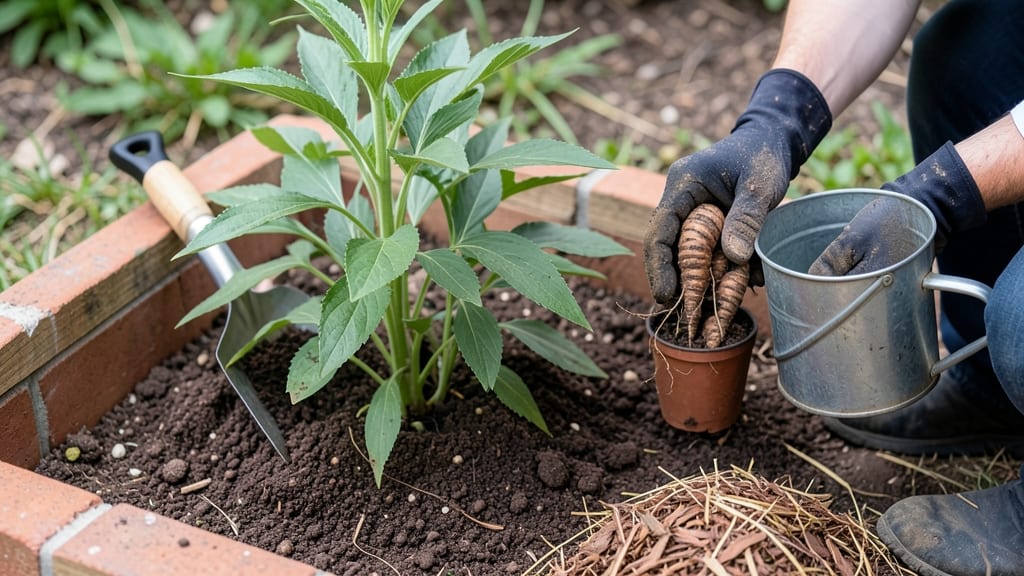
To plant coneflower bulbs at the right time means catching that sweet spot between early spring and early fall—when soil is cool but not frozen, and frost isn’t lurking around the corner.
Struggling to decide when to plant coneflower bulbs for vibrant, long-lasting blooms? Timing is everything—plant too early or late, and you might miss the stunning purple, pink, and yellow flowers that attract pollinators all season.
In USDA Zone 6a, like many northern gardens, the ideal window opens in September for fall planting, giving roots time to establish before winter. Spring planting works too, but you’ll need to get those bulbs in the ground by April 15, just as the last frost fades away.
Below, I’ll break down the exact soil temperatures, frost dates, and regional tweaks you need to know—plus the three biggest mistakes that turn promising bulbs into flops. Let’s get those 🌼 blooms thriving!
Optimal planting times for coneflower bulbs: fall vs spring guide
Deciding when to plant coneflower bulbs can feel overwhelming, but the right timing ensures vibrant blooms and healthy growth. Coneflowers (Echinacea spp.) thrive when planted during their ideal dormancy period, which varies by USDA zone and soil temperatures.
Whether you're planting Echinacea purpurea or Echinacea pallida, understanding these windows will maximize your success.
Fall planting is often preferred for hardy perennials like coneflowers because it allows roots to establish before winter. However, spring planting works too—especially in warmer climates where winters are mild. The key is aligning your planting with local frost dates and soil conditions to avoid stress on young bulbs.
Note: While coneflowers are typically grown from seeds or transplants, some gardeners use rhizomes (underground stems) instead of bulbs. This guide assumes rhizome planting, which follows similar timing principles as bulb planting for other perennials.
For USDA zones 3-5, prioritize fall planting to give roots time to anchor before harsh winters. In these regions, aim to plant 4-6 weeks before the first frost, typically in late September.
Use a soil thermometer to confirm temps are between 50-60°F—this sweet spot encourages root growth without stressing the rhizomes.
In zones 6-7, you have flexibility for both seasons. However, fall planting still edges out spring slightly because it reduces transplant shock. If you miss fall, wait until spring when soil temperatures consistently stay above 50°F.
Pro tip: Mulch heavily after planting in fall to insulate roots during winter.
Gardeners in zones 8-9 should focus on spring planting to avoid summer heat stress. Plant as soon as soil is workable (usually February-March in these regions). Echinacea pallida thrives here—its drought tolerance makes it ideal for low-water landscapes once established.
Regardless of season, prepare the planting site by amending soil with compost and ensuring well-draining conditions. Coneflowers hate soggy roots, so avoid low-lying areas where water pools. Space rhizomes 12-18 inches apart to allow airflow and reduce disease risk.
If you're unsure about your local frost dates, check the USDA Plant Hardiness Zone Map and your region's average last frost date. Many local extension offices provide free frost calendars—a game-changer for timing-sensitive plants like coneflowers.
For example, in Zone 5, aim for September 15-October 1 for fall planting.
Remember: Container planting shifts timing slightly. Containers warm up faster in spring, so you can plant 2-3 weeks earlier than in-ground. Just ensure pots have drainage holes and use a lightweight potting mix to prevent root rot.
With the right timing, your coneflowers will reward you with months of pollinator-friendly blooms and minimal maintenance. Whether you choose fall or spring, the key is patience and preparation—just like any great garden project! 🌼
5 Signs you’re planting coneflower bulbs at the perfect time
Planting coneflower bulbs at the right moment ensures strong roots and vibrant blooms next season. But how do you know when conditions are ideal? Look for these 5 key indicators to confirm you’re planting at the perfect time—whether in-ground or in containers.
These signs help you align with soil temperatures, rainfall patterns, and frost dates for success. 🌱
First, check the soil temperature. For fall planting, aim for 60°F (15°C) or lower—this signals bulbs to start rooting before winter dormancy. In spring, wait until the soil warms to 50°F (10°C) to avoid frost damage.
Use a soil thermometer for accuracy, especially in cooler climates like USDA zones 3-5. This simple tool prevents costly mistakes and ensures your Echinacea purpurea thrives. ☀️
Fall: 60°F (15°C) or cooler for root establishment before frost.
Plant bulbs 60-56 days before your area’s first frost date for root growth.
Check local forecasts for steady moisture—bulbs need 1-2 inches post-planting.
Look for shriveled bulb skins—a sign they’re ready for planting after summer dormancy.
For pots, use well-draining mix and plant 2 weeks earlier than in-ground to warm faster.
Next, time your planting with local frost dates. Aim to plant 6-8 weeks before the first frost—this gives bulbs time to establish roots before winter.
Use your USDA zone as a guide: Zones 3-5 need earlier fall planting, while Zones 6-9 can wait until late fall or early spring. For example, in Zone 6a, plant by mid-October for fall or after mid-April in spring. 🌡️
Pay attention to rainfall patterns too. Bulbs need 1-2 inches of moisture after planting to settle into the soil. Check your local forecast for steady, light rain or water manually if needed.
In containers, ensure pots have drainage holes to prevent rot—overwatering is a common mistake that stunts growth. Adjust your schedule if heavy rains are forecasted to avoid soggy soil conditions. 💧
For container planting, timing shifts slightly. Since pots warm faster than in-ground soil, plant 2 weeks earlier in fall or 2 weeks later in spring. Use a well-draining potting mix with added perlite to mimic ideal conditions.
Place containers in a sheltered spot to protect bulbs from harsh winds, which can dry out soil too quickly. This adjustment ensures your coneflower bulbs thrive in limited space. ✂️
Finally, watch for bulb dormancy cues. After summer, bulbs enter dormancy and develop shriveled skins—this is your signal to plant. Dig up bulbs if they’ve been in storage, then plant them in well-amended soil with compost.
Avoid planting bulbs that are still firm or plump, as they may not be ready for dormancy. This simple check saves you from planting too early and risking rot. 🌿