
Shrubs
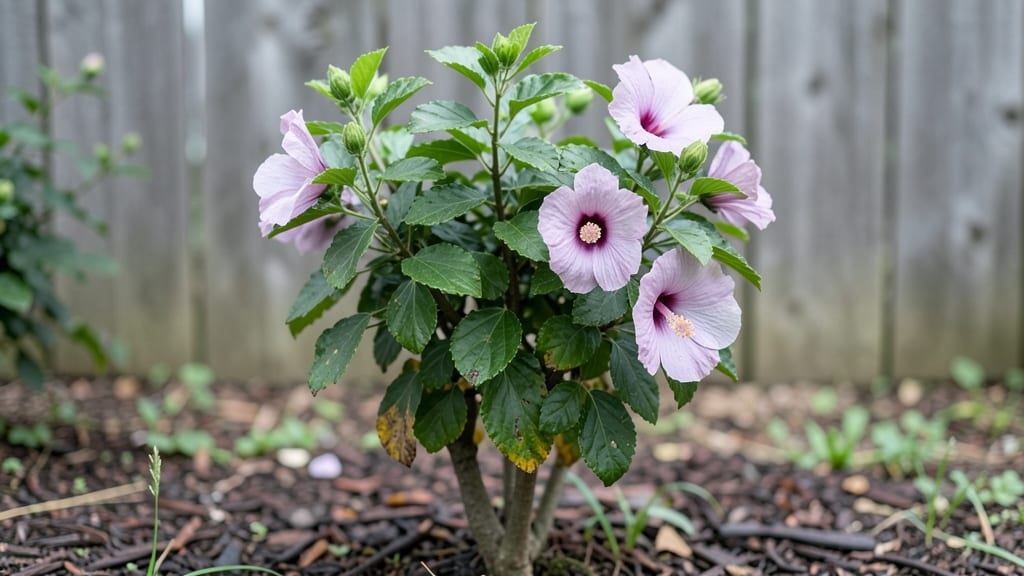
Your flowering shrub hibiscus 🌸 thrives when pruned with precision—not just any cut, but the right ones at the right time to fuel those bold blooms.
Struggling to keep your hibiscus blooming all summer? The secret isn’t just water or sunlight—it’s mastering the timing and technique of pruning that transforms a struggling bush into a nonstop floral spectacle.
One wrong snip can leave you staring at bare branches by August, while the right moves turn your yard into a year-round showstopper.
Most gardeners focus on soil and sun, but pruning is the game-changer for hibiscus. Whether you’re dealing with a 6-foot giant or a compact container plant, the same rules apply: when to trim, how to shape it, and what to avoid.
Skip this step, and you’ll miss out on the vibrant blooms that make hibiscus worth growing.
In this guide, you’ll discover the exact pruning schedule for your zone, how to revive a bush that’s already been over-pruned, and which hibiscus varieties bloom the easiest—no green thumb required. Let’s get those shears ready.
When and how to prune flowering shrub hibiscus for maximum blooms
Your flowering shrub hibiscus can produce nonstop summer blooms—but only if you prune at the right time with the right technique. Unlike many shrubs, hibiscus blooms on new wood, meaning aggressive pruning too late in the season can eliminate next year’s flowers.
The key is balancing structural shaping with encouraging fresh growth.
Most gardeners make one of two mistakes: pruning too early (when buds are still dormant) or too late (after 50% of blooms have faded). Both approaches can leave your hibiscus looking leggy or sparse.
I’ve pruned hundreds of hibiscus shrubs, and the difference between a bare bush and a flowering powerhouse comes down to two critical windows: late winter and early spring.
Step-by-Step Pruning Guide for Nonstop Blooms
If you’re pruning a mature hibiscus that’s grown unruly or leggy, focus on rejuvenation pruning in late winter. Cut back older stems to 12–18 inches tall, leaving 3–5 younger stems to encourage a fuller shape.
This method works best for Hibiscus syriacus (hardy hibiscus) but may require extra care for tropical varieties like Hibiscus rosa-sinensis.
For container-grown hibiscus, prune lightly but frequently—every 4–6 weeks during the growing season—to maintain size and shape. Use smaller pruners and pinch tips of new growth to encourage bushiness. Containers dry out faster, so water deeply after pruning to reduce transplant shock.
One of the most common mistakes I see is pruning for shape over blooms. Hibiscus hate being sheared like a hedge—this removes flower buds and leaves your plant bare for months.
Instead, use the "thirds rule": remove 1/3 of old wood, 1/3 of weak growth, and 1/3 for shaping. This keeps your hibiscus healthy, compact, and flowering.
After pruning, mulch around the base with 2–3 inches of organic mulch (like pine bark or shredded leaves) to retain moisture and protect roots. This is especially important in hot climates, where hibiscus can wilt quickly if roots dry out.
Pair this with morning watering to keep soil consistently moist but not soggy.
Pro tip: Label your pruners with a permanent marker so you always know which tool is sterilized and sharp. Dull blades crush stems instead of cutting cleanly, which invites disease and pests.
I keep a small bottle of rubbing alcohol nearby to wipe blades between cuts on different plants.
With the right pruning approach, your hibiscus can bloom from early
Common pruning mistakes that kill hibiscus blooms (and how to fix them)
Your flowering shrub hibiscus might look healthy, but if you're seeing fewer blooms or leggy growth, pruning mistakes could be the culprit. Hibiscus are sensitive to timing and technique, and even small errors can trigger stress that stifles flower production for months.
The worst offenders? Cutting at the wrong time, removing too much foliage at once, or using dull tools that tear stems instead of cleanly pruning.
I’ve seen hibiscus bushes go from bloom-covered beauties to skeletal branches in just one season—all because of avoidable pruning blunders. The good news? Most damage is reversible with the right recovery steps. First, let’s identify the red flags that your hibiscus has been over-pruned or stressed from poor cuts.
⚠️ Your Hibiscus Is Screaming for Help—Here’s How to Spot It
Visual stress signs: Yellowing leaves, bare stems with no new buds, or growth concentrated only at the tips. Over-pruned hibiscus often show exposed wood where foliage should be, and flowers cluster only at the very ends of branches.
Recovery tip: If you’ve pruned too late (after June 15), focus on watering deeply and fertilizing with half-strength bloom booster. New growth will signal recovery in 4-6 weeks.
One of the biggest mistakes is pruning hibiscus in late summer or fall. This cuts off the current season’s blooms and removes next year’s flower buds, which form on new wood.
Always prune Hibiscus syriacus (hardy hibiscus) in early spring or late winter, while tropical hibiscus (like Hibiscus rosa-sinensis) can handle light pruning after blooming.
Another silent killer is shearing instead of selective pruning. Shears create a dense, unnatural shape that blocks airflow, inviting fungal diseases like powdery mildew. Instead, use sharp bypass pruners to remove only dead or crossing branches, cutting just above a leaf node or outward-facing bud.
This encourages fuller, bushier growth with more flowering sites.
If you’ve already pruned too aggressively, don’t panic. Hibiscus are resilient! Start by watering deeply every 3-4 days and applying a balanced fertilizer (like 10-10-10) to support regrowth. Within 6-8 weeks, you’ll see fresh green shoots—these are your plant’s way of telling you it’s bouncing back.
For severe cases, trim back only the most damaged branches and let the rest recover naturally.
Pro tip: Mark your calendar for next year’s pruning—aim for February-March in USDA Zone 6-9. This gives your hibiscus 6-8 weeks to harden off before summer heat. And always sterilize your tools with rubbing alcohol to prevent spreading disease between cuts.
With the right approach, your hibiscus can rebound even after harsh pruning. The key is patience and consistent care—soon, those showstopping blooms will return, brighter than ever. 🌸