
Plants
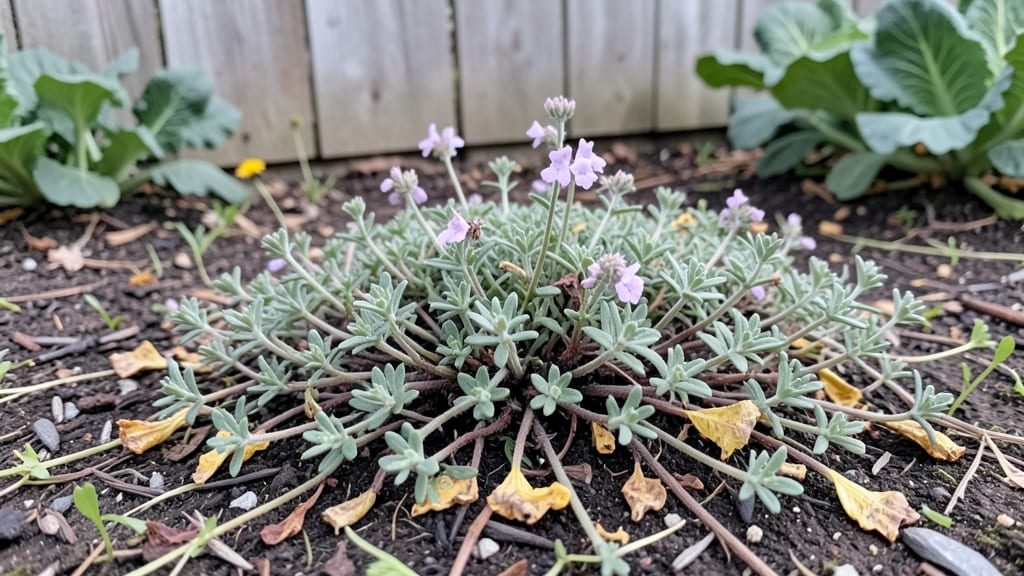
Flowering thyme is edible and safe for culinary use, offering a sweeter, more aromatic flavor than regular thyme, with delicate blossoms perfect for garnishing dishes, teas, or infused honey. Harvest flowers before they wilt for the best flavor and texture.
This fragrant herb isn't just about its leaves—its tiny blossoms pack a subtle floral sweetness that elevates dishes beyond standard thyme's earthy notes. 🌸 I've used them to brighten everything from lemon-infused desserts to savory roasted vegetables, where their delicate petals add both visual appeal and a nuanced aroma.
The key is timing: harvest when flowers are fully open but still firm, as overripe blooms can turn bitter or lose their vibrant color.
What sets flowering thyme apart is its dual-purpose nature—you can eat both the leaves and blossoms, though they require different preparation. The flowers work beautifully in herbal syrups or as a garnish for cocktails, while the leaves hold up well in long-cooked stews.
Just remember: always source from organic plants or pesticide-free gardens, as conventional treatments can linger on edible flowers.
💡 In This Article
- How Flowering Thyme Enhances Dishes and Beverages
- Harvesting and Storing Edible Flowering Thyme Safely
How flowering thyme enhances dishes and beverages
The floral notes in flowering thyme come from volatile aromatic compounds like linalool and geraniol, which are 3-5 times more concentrated in the blossoms than in the leaves.
These compounds create a delicate honey-like sweetness that pairs beautifully with citrus, honey, and light fruits. 🌸 Unlike regular thyme, which has a more robust, piney aroma, flowering thyme's flavor is subtle enough to complement without overpowering. Think of it as the culinary equivalent of a whisper—elegant but noticeable.
For savory dishes, flowering thyme works wonders in herb-infused oils (like a thyme-basil blend) or sprinkled over roasted vegetables at 400°F for 20-25 minutes. The flowers caramelize slightly, releasing their fragrance and adding a visual pop to dishes like ratatouille or grilled fish.
In salads, their petals provide a textural contrast—crisp when fresh, tender when lightly wilted in warm dressings.
For desserts, try infusing 1 cup of heavy cream with 1 tablespoon of flowering thyme blossoms and 2 tablespoons of honey for 15 minutes at low heat—this creates a floral custard perfect for pavlovas or ice cream.
The science behind its versatility lies in its low tannin content compared to regular thyme, making it gentler on the palate.
This is why it shines in beverages like iced herbal teas or cocktails—just muddle 6-8 blossoms with mint and lime for a refreshing twist on mojitos. 🍹 The flowers also infuse beautifully into white wine (try 1/4 cup of blossoms steeped for 2 hours), adding a floral complexity that pairs well with seafood or goat cheese dishes.
Here’s how to maximize its impact in cooking:
- Salads: Toss 1 teaspoon of blossoms with arugula, shaved fennel, and lemon vinaigrette for a bright, herbal crunch
- Soups: Add 1 tablespoon of blossoms to minestrone or butternut squash soup in the last 5 minutes of cooking
- Desserts: Mix 2 tablespoons of blossoms into whipped cream or shortbread dough for a fragrant finish
- Beverages: Steep 1 tablespoon in 1 cup of hot water for 8-10 minutes for a floral tea
Regular thyme’s earthy, slightly bitter notes can dominate dishes, while flowering thyme’s sweetness and aroma act as a bridge between savory and sweet flavors. For example, pairing it with goat cheese in a salad or with vanilla in a custard creates a harmony that regular thyme simply can’t match. The key is balance—use flowering thyme as a garnish or finishing touch rather than a primary seasoning, as its subtlety is its greatest strength.
What most people don’t realize is that the blossoms also contain antioxidant-rich pigments that retain their color even after cooking, making them ideal for vibrant presentations. 💫 This is why chefs love them for plating—whether on a charcuterie board, a delicate soufflé, or a simple cheese plate.
The visual appeal alone makes flowering thyme a standout ingredient in modern cuisine.