
Trees
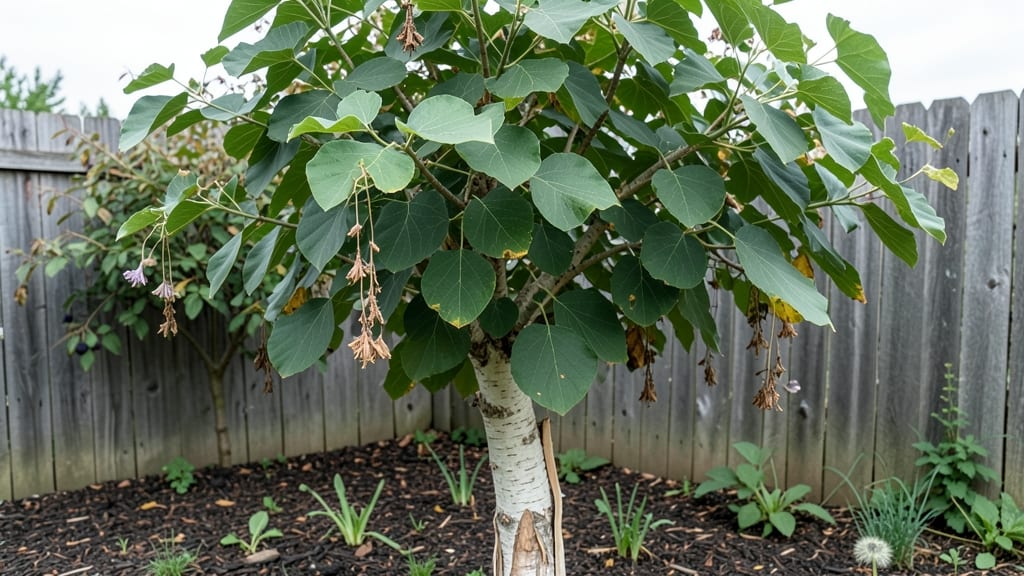
The flowering trumpet tree 🌺 is a showstopper for any garden, delivering bold blooms that turn heads from spring through summer.
Imagine a tree that grows fast enough to cast shade in just a few years, yet still rewards you with vibrant trumpet-shaped flowers in fiery reds, oranges, and yellows—no dead zones, no boring seasons. That’s the magic of this tropical stunner, which thrives in USDA Zone 6a and beyond.
But here’s the catch: planting one isn’t just about digging a hole. You’ll need the right soil, sunlight, and a few tricks to keep it blooming like crazy. Skip the guesswork, and I’ll walk you through every step—from choosing the fastest-growing variety to pruning for maximum impact.
Ready to add a year-round splash of color? Let’s get your flowering trumpet tree growing strong, healthy, and bursting with blooms.
Top 5 fast-growing flowering trumpet tree varieties for instant color
If you're dreaming of a stunning tropical garden with minimal wait time, the flowering trumpet tree delivers vibrant blooms in record time. These fast-growing trees burst into color within 2-3 years, offering year-round interest with their trumpet-shaped flowers in fiery reds, yellows, and oranges.
Whether you're a beginner gardener or a landscape pro, these top 5 varieties will transform your outdoor space into a sun-drenched paradise faster than you think. 🌺
Not all trumpet trees grow at the same speed, though. Some varieties shoot up 3-5 feet per year, while others take their time. The key to instant color lies in choosing the right species for your climate zone and sunlight conditions.
From the bold yellow blooms of Handroanthus chrysanthus to the deep pink of Tabebuia rosea, each variety brings its own unique charm and growth quirks. Let’s dive into the fastest-growing options so you can pick the perfect one for your garden. 🌳
The Palo Santo (Tabebuia impetiginosa) is my top pick for fastest growth and year-round fragrance. This tropical beauty grows 3-5 feet annually and blooms in late winter, filling the air with a citrusy scent.
It thrives in humid climates (USDA zones 9-11) and loves full sun, making it perfect for coastal gardens or backyard oases. Its golden-yellow flowers create a stunning contrast against its smooth bark, and it’s drought-tolerant once established. 🌿
For those in warmer zones (USDA 8-11), the Pink Trumpet Tree (Tabebuia rosea) is a showstopper. While it grows slightly slower (2-3 ft/year), its deep pink blooms are unmatched in beauty.
This variety is low-maintenance and disease-resistant, making it ideal for busy gardeners. Plant it in well-draining soil and watch it burst into color by early spring, attracting hummingbirds and butterflies to your garden. ✂️
If you're chasing instant height, the Gigante Trumpet Tree (Tabebuia heterophylla) is a giant among giants. This tropical powerhouse can grow 4-6 feet per year, reaching 40-50 feet at maturity.
It’s perfect for large landscapes or as a privacy screen in humid climates (USDA 10-12). Its bright yellow flowers appear in spring, and its fast growth means you’ll see results in just a few seasons.
Just be prepared for its massive size—this isn’t a tree for small yards! 🌳
Don’t overlook the Yellow Trumpet Tree (Handroanthus chrysanthus) if you love bold color. This variety grows 2-4 feet annually and produces vibrant yellow blooms that light up the garden in spring.
It’s hardy in zones 9-11 and tolerates heat well, making it a star performer in southern gardens. Pair it with purple foliage plants for a high-contrast look that pops against any backdrop. 🌻
Lastly, the Ipe Amarelo (Handroanthus guayacan) is a hidden gem for dry tropical
How to plant and care for a flowering trumpet tree for maximum blooms
The flowering trumpet tree (Tabebuia spp.) is a stunning addition to any landscape, offering vibrant blooms and fast growth. To ensure your tree thrives and produces year-round color, follow these essential planting and care steps.
Start by selecting the right location and preparing the soil for optimal growth.
This tropical beauty thrives in USDA Zones 9-11 but can be grown in cooler zones with proper winter protection. The key to maximum blooms lies in mimicking its natural habitat—well-draining soil, full sun exposure, and consistent moisture.
With the right care, your flowering trumpet tree will reward you with show-stopping flowers for decades.
Begin by digging a hole twice as wide as the tree’s root ball but only as deep as its container. Gently remove the tree from its pot and loosen any circled roots at the bottom.
Place the tree in the hole, ensuring the top of the root ball sits 1-2 inches above ground level. This prevents root rot from excess moisture.
After planting, water the tree deeply to settle the soil around the roots. Aim for 1-2 inches of water per week, adjusting based on rainfall and temperature.
During the first year, keep the soil consistently moist but avoid waterlogging. Once established, the tree develops drought tolerance, making it low-maintenance.
Fertilize your flowering trumpet tree in early spring with a balanced 10-10-10 fertilizer to encourage new growth and blooming. Apply 1 cup per 10 square feet of soil, working it into the top 6 inches.
Avoid fertilizing in fall or winter, as the tree enters dormancy and doesn’t need extra nutrients.
Prune your tree in late winter or early spring before new growth begins. Remove dead, diseased, or crossing branches to improve airflow and light penetration. You can also shape the tree lightly to maintain its form, but avoid heavy pruning, which can reduce flowering.
Always use sterilized pruning tools to prevent disease spread.
With proper care, your flowering trumpet tree will grow into a show-stopping centerpiece, filling your garden with colorful blooms for years to come. Enjoy the beauty and low-maintenance charm of this tropical treasure! 🌺