
Flowers
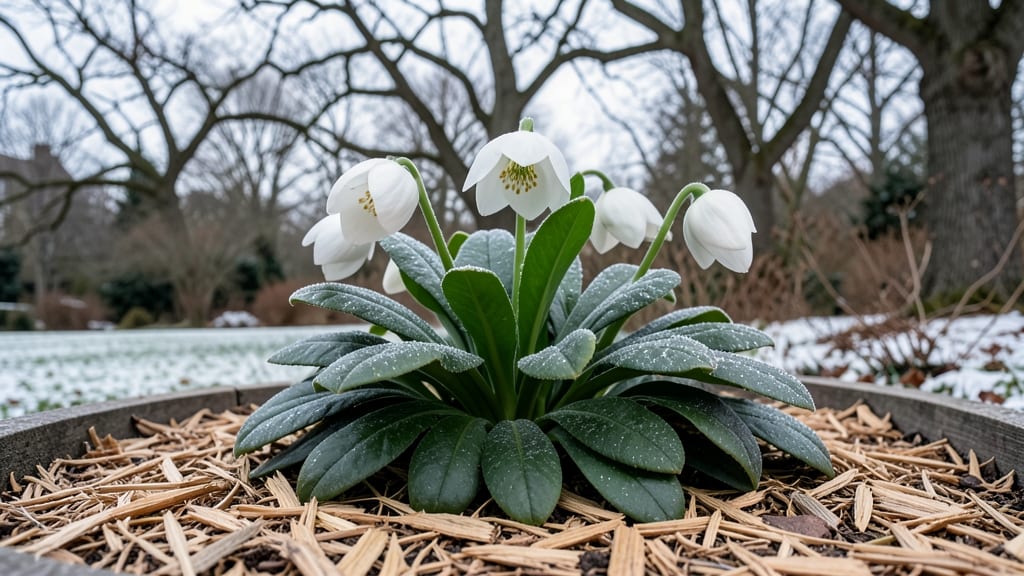
Winter-blooming flowers that bloom in winter outside bring color when most gardens sleep 🌸 — and the right choices can turn your yard into a frost-proof paradise.
Cold winter months don’t have to mean a colorless yard—discover hardy, frost-resistant flowers that defy the chill and bring vibrant blooms straight to your garden.
From hellebores that punch through snow to winter jasmine climbing with golden cheer, these plants thrive in USDA zones 6a-9b and beyond. The key? Choosing varieties bred for cold snaps, not coddling them like greenhouse darlings.
Below, I share the top 10 cold-hardy flowers, planting secrets to beat frost, and how to layer them for year-round interest—no greenhouse required.
Top 10 cold-hardy flowers that thrive in winter outside
Winter gardens don’t have to be dull—these cold-hardy flowers bring vibrant color even when temperatures drop. Whether you're in USDA Zone 5 or warmer, these frost-resistant beauties defy winter’s chill with minimal care. I’ve selected top performers that bloom reliably outside, offering year-round interest without greenhouse costs.
Many gardeners assume winter means bare branches, but hardy perennials like hellebores and winter jasmine prove otherwise. These flowers thrive in freezing temperatures, often blooming earlier than spring flowers.
Their secret? Deep root systems and thick foliage that protect against frost damage. Let’s explore the top 10 cold-hardy flowers that will keep your garden lively all season.
⚠️ Must-know tip: Always check your USDA zone before planting—some varieties need Zone 6+ while others handle Zone 3’s harsh winters. A quick soil test for drainage and pH balance (6.0–7.0 ideal) sets these plants up for success.
| # | Flower Name | USDA Zones | Bloom Season | Sun Needs | Care Tips |
|---|---|---|---|---|---|
| 1 | Hellebore (Lenten Rose) | 3-9 | Late winter-early spring | Partial shade | Deadhead spent blooms; mulch heavily |
| 2 | Winter Jasmine | 6-9 | Late winter-early spring | Full sun | Prune after blooming; drought-tolerant |
| 3 | Pansies | 3-11 | Fall-winter-spring | Full sun to partial shade | Remove faded blooms; protect from slugs |
| 4 | Snowdrops (Galanthus) | 3-8 | Late winter | Partial shade | Naturalize in wooded areas; minimal care |
| 5 | Crocuses | 3-8 | Early spring | Full sun | Plant bulbs in fall; no summer water |
| 6 | Winter Aconite (Eranthis) | 4-8 | Late winter | Full sun to partial shade | Plant in fall; self-seeds easily |
| 7 | Christmas Rose (Helleborus niger) | 4-8 | December-February | Partial shade | <