
Flowers
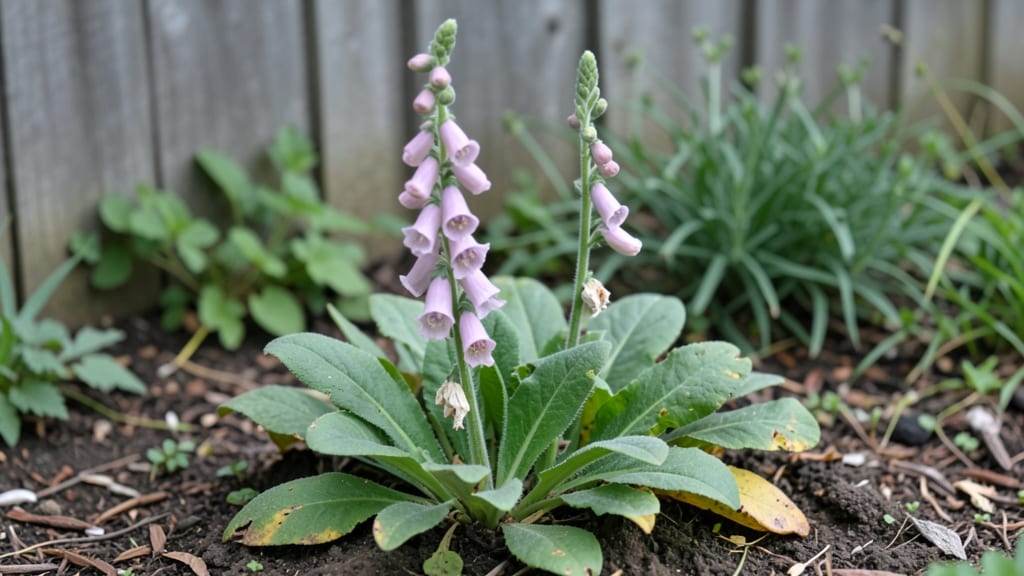
Growing a fox bell flower 🌸 means adding dramatic height and year-round color to your garden with almost no effort.
Picture this: towering spikes of bell-shaped blooms in shades of purple, pink, and white, swaying in the breeze and drawing hummingbirds like magnets.
Yet for all its showiness, this fox bell flower thrives in partial shade, laughs off drought, and even blooms in USDA Zone 6—where most flowers give up by October.
If you’ve ever struggled to keep perennials alive through summer heat or winter freezes, this is the plant that proves beauty doesn’t require drama. With the right timing—planting in March-April—you’ll get 3-to-5-foot spikes that outshine most annuals while demanding less fuss than a houseplant.
Here’s how to coax those striking bell-shaped blooms to life: from soil prep to pruning secrets that keep them flowering until frost. No green thumb required.
Fox bell flower varieties and best growing conditions for year-round blooms
The fox bell flower (Fuchsia) is a stunning perennial that thrives in USDA Zones 7-11, offering year-round blooms with minimal effort. Unlike many flowers, fuchsias produce vibrant, bell-shaped blossoms in shades of pink, purple, and white, making them a favorite for hummingbird gardens.
Their adaptability to partial shade and container gardening makes them perfect for urban spaces or shaded yards.
With over 100 fuchsia varieties, you can choose from trailing types for hanging baskets to upright varieties for borders. The key to year-round blooms lies in selecting the right variety and providing consistent care tailored to your climate zone.
Whether you're in humid Zone 9 or cooler Zone 7, these tips will help you maximize your fuchsia's potential.
| Variety | Bloom Color | Sunlight Needs | Soil Type | USDA Zones | Best For |
|---|---|---|---|---|---|
| 'Giant Lady' | Deep pink | Partial shade | Well-draining, moist | 7-11 | Borders, containers |
| 'Lady Bo-Peep' | White with purple | Partial shade | Rich, organic | 8-11 | Hanging baskets |
| 'Thryallis' | Purple with yellow | Partial shade | Slightly acidic | 7-10 | Woodland gardens |
| 'Riccartonii' | Magenta | Partial shade | Moist, humus-rich | 8-11 | Coastal gardens |
| 'Tom Thumb' | Pink | Partial shade | Well-draining | 7-11 | Containers, patios |
For year-round blooms, prioritize partial shade—especially in hotter zones (9-11)—to prevent leaf scorch. Fuchsias love moist, well-draining soil with a slightly acidic pH (6.0-6.5). In cooler zones (7-8), you can push them to full sun in the morning and afternoon shade to avoid stress.
In USDA Zone 7, where winters dip below 20°F, protect your fuchsias with mulch or move container-grown plants indoors near a bright window. In Zones 9-11, they thrive outdoors year-round but may need extra water during dry spells to keep blooms vibrant.
To encourage continuous blooming, deadhead spent flowers regularly and feed with a balanced fertilizer (10-10-10) every 4-6 weeks during the growing season. In containers, use a well-draining potting mix with perlite or vermiculite to prevent root rot.
For humming
Step-by-step fox bell flower care: watering, pruning, and fertilizing for longevity
Fox bell flowers (Fuchsia) thrive with the right care routine, and their bell-shaped blooms reward you with year-round color when you follow a few simple steps.
Whether you're growing them in containers on your patio or tucked into garden beds, consistent watering, strategic pruning, and balanced fertilizing will keep them lush and blooming. Let’s break down the essentials for long-lasting fox bell flowers that attract hummingbirds and butterflies.
One of the keys to fox bell flower success is understanding their watering needs. These plants prefer consistently moist soil but hate soggy roots, which can lead to root rot. In containers, they dry out faster, so you’ll need to monitor soil moisture more closely.
Meanwhile, garden-planted fox bells benefit from the earth’s natural moisture retention—but still need regular checks. Let’s dive into the exact steps to keep your fox bells thriving.
Fox Bell Flower Care Routine
-
Step 1: Watering
Water deeply once weekly in warm months, bi-weekly in cooler seasons. Stick your finger 1 inch into soil—if dry, water thoroughly. Morning watering prevents fungal issues. -
Step 2: Pruning for Bushiness
Trim dead or leggy stems after flowering to encourage new growth. Cut back 1/3 of plant height in early spring to shape and revitalize. Avoid heavy pruning in fall. -
Step 3: Fertilizing
Use a balanced 10-10-10 fertilizer every 4-6 weeks in spring/summer. Mix 1 tbsp per plant into soil after watering. Skip fertilizing in fall/winter to avoid overgrowth. -
Step 4: Container Care
Containers dry out faster—water every 5-7 days and use well-draining soil. Repot every 2-3 years to refresh nutrients. Drainage holes are a must! -
Step 5: Seasonal Adjustments
In winter (Zones 7-11), reduce watering to monthly and protect from frost. In summer heat, mulch to retain moisture and shade leaves to prevent scorching.
For container-grown fox bells, remember that their roots are confined, so they’ll need more frequent watering than garden plants. I’ve found that using a self-watering pot or placing a tray of pebbles under the container helps maintain steady moisture without overwatering.
If you notice the leaves drooping or yellowing, it’s usually a sign of either underwatering or overwatering—check the soil moisture before reacting.
Pruning might seem intimidating, but it’s one of the easiest ways to keep your fox bell flowers looking their best. After the first flush of blooms, I like to trim back about one-third of the plant’s height to encourage bushier growth and more flowers.
This also helps prevent the stems from becoming woody and leggy, which can reduce bloom production. Always use clean, sharp pruners to avoid damaging the plant.
When it comes to fertilizing, organic options like compost tea or fish emulsion work wonders for fox bells. I’ve had great success with a slow-release granular fertilizer applied in early spring, followed by occasional liquid feeds during the growing season.
Just remember: less is more—over-fertilizing can lead to excessive foliage at the expense of those stunning bell-shaped blooms.
With these simple steps, your fox bell flowers will reward you with vibrant blooms almost year-round, turning your garden into a hummingbird haven. The key is consistency—water wisely, prune regularly, and feed lightly—and your fox bells will thrive for seasons to come. 🌸