
Flowers
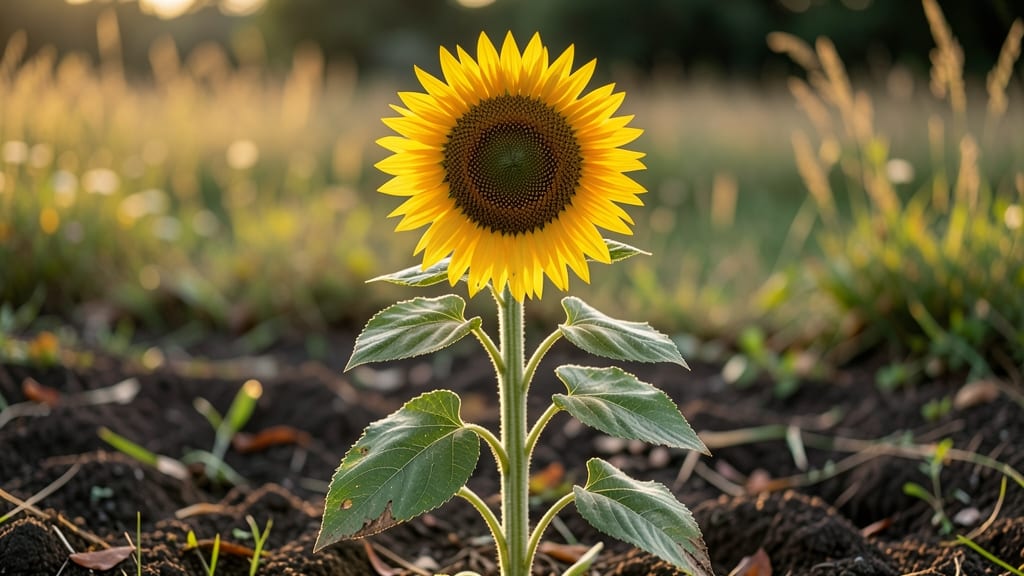
A full grown sunflower 🌻 can reach heights of 10 to 16 feet, turning your garden into a towering display of golden cheer—but not all varieties hit that mark.
Sunflowers aren’t just cheerful garden decorations—they can grow taller than a basketball player’s reach, with some varieties towering over 12 feet! But how tall will your sunflower get? The answer depends on the variety and when you plant it.
If you’re planning your garden layout, knowing the mature height of your sunflowers is key. Dwarf varieties stay under 3 feet, while giants can stretch toward the sky, requiring extra space and support. Understanding these differences helps you avoid overcrowding and ensure your sunflowers thrive.
In this guide, I’ll break down the height ranges by variety, share planting tips to maximize growth, and explain how seasonal timing affects final size. Whether you’re growing sunflowers for beauty, bird feed, or even oil, knowing what to expect at maturity keeps your garden both stunning and functional.
Sunflower height chart: tallest varieties and their mature heights
If you're dreaming of sunflowers that reach for the sky, you're in the right place! Sunflower heights can vary dramatically—from compact dwarf varieties perfect for containers to giant sunflowers that dwarf even the tallest gardeners.
The key to growing towering sunflowers lies in choosing the right variety and giving them the space they crave. Let’s explore the tallest sunflower varieties and what you can expect from each.
Most gardeners assume all sunflowers are giants, but the truth is far more exciting. Some varieties stay under 3 feet tall, while others shoot up to 14-16 feet—that’s taller than a basketball hoop!
Your choice of variety will determine not just height, but also flower size, stem strength, and even garden layout. Let’s break down the options so you can pick the perfect sunflower for your space.
Giant sunflowers are the stars of the show, but they require careful planning. These varieties need plenty of sunlight, well-draining soil, and often staking to prevent them from toppling over. In my garden, I’ve seen Mammoth varieties sway dramatically in windy conditions—so don’t skimp on support! Below, you’ll find a detailed comparison of the tallest sunflower varieties and their mature heights.
| Variety | Mature Height | Flower Diameter | Space Needs | Growth Habit |
|---|---|---|---|---|
| Mammoth Russian | 12-16 ft | 8-12 in | 18-24 in apart | Tall, sturdy, needs staking |
| Russian Giant | 10-14 ft | 6-10 in | 18 in apart | Strong stems, minimal lodging |
| Autumn Giant | 10-12 ft | 6-8 in | 18 in apart | Early bloomer, great for late summer |
| Giant Russian Sun | 10-14 ft | 8-10 in | 24 in apart | Heavy heads, needs support |
| American Giant | 8-12 ft | 6-8 in | 18 in apart | Classic heirloom, reliable |
| Soraya | 6-10 ft | 8-10 in | 18 in apart | Bicolor petals, striking appearance |
| Teddy Bear | 4-6 ft | 4-6 in | 12 in apart | Compact, great for borders |
| Little Becka | 2-3 ft | 3-4 in | 6-12 in apart | Dwarf, perfect for containers |
When planning your sunflower garden, always consider the mature height of each variety. For example, Mammoth Russian sunflowers can grow up to 16 feet tall, so they need a dedicated spot away from structures or power lines.
In contrast, Teddy Bear sunflowers stay under 6 feet, making them ideal for smaller gardens or containers. Always check the spacing requirements to avoid overcrowding, which can stunt growth or lead to disease.
Another critical factor is the growth habit of each variety. Some sunflowers, like Russian Giant, have strong, sturdy stems that require minimal support, while others, such as Giant Russian Sun, need staking or trellising to prevent them from toppling.
I’ve learned this the hard way—skipping support for tall varieties can turn a stunning garden feature into a tangled mess! If you’re growing sunflowers in windy areas, consider tying them to stakes early in their growth phase.
For first-time growers, I recommend starting with medium-height varieties like Autumn Giant or American Giant. These offer a balance between height and manageability, giving you a chance to practice sunflower care without the challenges of giants. Plus, they bloom earlier in the season, providing longer
How planting time affects sunflower height and bloom time
Timing your sunflower planting can dramatically change how tall they grow and when they bloom. Spring-planted sunflowers in USDA zones 5-9 typically reach their maximum height of 8-16 feet, while summer plantings may only grow 4-10 feet tall due to shorter daylight.
The key is understanding your local frost dates and daylight hours—sunflowers need at least 6 hours of sunlight daily to thrive.
In cooler northern zones (like USDA zones 3-4), planting in late May or early June gives sunflowers enough time to mature before frost. Southern gardeners (zones 8-10) can plant as late as July, but expect smaller blooms and shorter stems.
The trade-off? Earlier plantings yield taller sunflowers, but later plantings may bloom 2-4 weeks sooner in your display.
| Planting Time | Expected Height | Bloom Time | USDA Zones |
|---|---|---|---|
| Spring (April-May) | 8-16 ft | July-August | 3-9 |
| Early Summer (June) | 6-12 ft | August-September | 4-10 |
| Late Summer (July) | 4-10 ft | September-October | 7-10 |
Daylight length plays a crucial role—sunflowers grown in longer summer days (like USDA zone 6) can grow 30% taller than those planted in shorter-day zones (like zone 4).
For example, a 'Mammoth' variety planted in June in zone 6 might reach 14 feet, while the same variety planted in zone 4 could only hit 10 feet.
If you're aiming for early blooms, plant in late spring—but sacrifice some height. Conversely, for taller sunflowers, plant in early summer and accept a 2-3 week delay in flowering.
In USDA zone 8, I’ve seen 'Russian Giant' sunflowers planted in June bloom by September while still reaching 12 feet!
Regional adjustments matter too. In hot climates (zones 9-10), summer plantings may bolt faster but produce smaller blooms due to heat stress. Conversely, cooler zones (3-5) benefit from extended growing seasons when planted in late May.
Always check your last frost date—planting too early risks frost damage to young seedlings.
Pro tip: Use row covers for early spring plantings in zones 3-5 to protect seedlings and extend the growing season. This can add 2-4 extra weeks of growth, helping sunflowers reach their full potential height before frost. For summer plantings, focus on consistent watering to prevent stress-induced stunting.