
Flowers
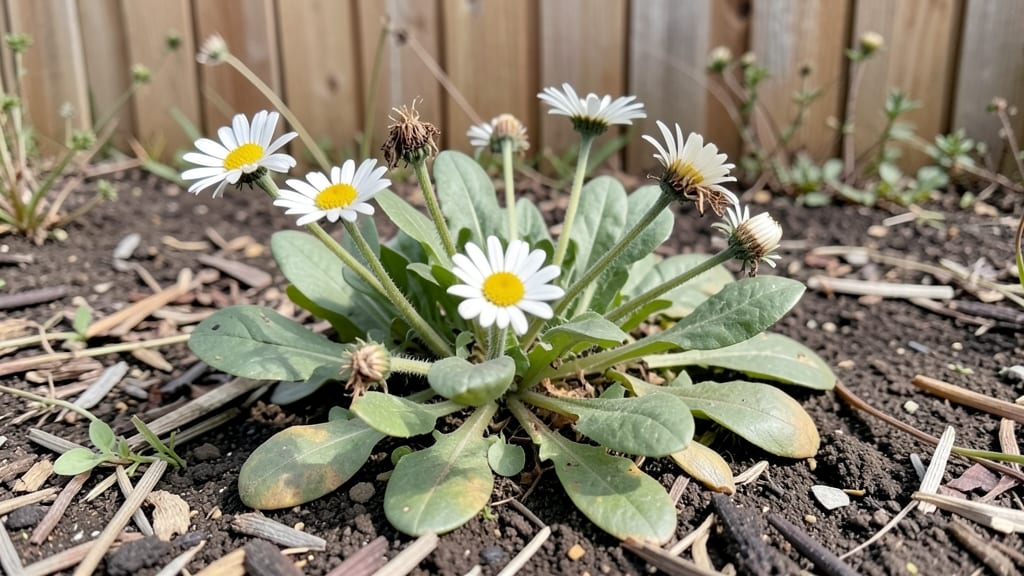
Growing a garden daisy flower 🌼 is like having a tiny sunbeam in your yard—it asks for almost nothing and gives back everything.
Imagine a flower that blooms almost effortlessly, brightens your garden year-round, and thrives even in less-than-perfect conditions. The garden daisy (Bellis perennis) is nature’s low-maintenance superstar—delicate petals, cheerful faces, and a resilience that makes it perfect for beginners and seasoned gardeners alike.
You don’t need a green thumb to keep these cheerful blooms coming back—just a few hours of sunlight, well-draining soil, and a little patience.
Whether you’re planting in spring or reviving last year’s patch, this guide will show you how to turn your garden into a daisy-filled paradise with minimal fuss.
From picking the perfect spot to keeping pests at bay, I’ll walk you through every step to ensure your garden daisies stay vibrant from spring through fall. Let’s get those cheerful blooms growing!
How to grow garden daisy flowers for continuous blooms
Garden daisies (Bellis perennis) are the unsung heroes of the flower garden—easy to grow, fast to bloom, and endlessly cheerful. With the right conditions, they’ll reward you with nonstop color from early spring through fall, and even brave winter in milder climates.
The secret? Mimicking their natural habitat with well-draining soil, bright sunlight, and a consistent care routine. Whether you’re a beginner or a seasoned gardener, these steps will transform your garden into a daisy-filled paradise without the fuss.
Unlike high-maintenance annuals, garden daisies thrive on neglect-friendly care. They’re hardy perennials that self-seed readily, meaning you’ll get more blooms every year with minimal effort. The key to continuous blooms lies in proper planting timing, regular deadheading, and seasonal adjustments.
Let’s dive into the step-by-step process to ensure your daisies stay vibrant and prolific all season long.
Garden daisies crave sunlight—plant them in a spot with at least 6 hours of direct sun daily. They tolerate partial shade, but blooms will be sparser and smaller. In hot climates, morning sun with afternoon shade prevents wilting.
Test your soil—daisies prefer well-draining, slightly acidic to neutral soil (pH 6.0–7.0). Amend heavy clay with compost or sand to prevent root rot. A light layer of mulch (1–2 inches) retains moisture and suppresses weeds without smothering the plants.
Sow seeds 2–3 weeks after your last frost date (when soil temps hit 60°F). For transplants, space them 6–12 inches apart in rows 12–18 inches apart. Early spring or late summer are ideal—avoid planting in extreme heat, which stresses young roots.
Keep soil evenly moist but not soggy. Water deeply in the morning (1–1.5 inches per week) to encourage strong root growth. During summer heat, increase frequency to every 2–3 days. Overwatering causes yellow leaves—always check soil moisture before watering.
Use a balanced fertilizer (5-10-10) once in early spring and again in midsummer. Over-fertilizing leads to leafy growth at the expense of blooms. A light top-dressing of compost in fall is enough to fuel next year’s flowers.
Snip off spent blooms with clean scissors or fingers to prevent self-seeding (unless you want more daisies!). This triggers new flower production and keeps your plants compact and bushy. Aim to deadhead every 2–3 days during peak bloom.
In early spring, trim back leggy stems to encourage bushier growth. Cut stems 1–2 inches above the soil to promote new shoots. Avoid heavy pruning in fall—it stresses the plant before winter dormancy.
In USDA Zones 5–7, mulch plants with 2–3 inches of straw to insulate roots. In milder climates (Zones 8+), daisies often bloom lightly through winter. Avoid fertilizing in winter—let the plant rest for spring reblooming. 🌱
If your garden daisies start looking leggy or sparse, it’s usually a sign of too much shade or overcrowding. Move them to a sunnier spot and thin out congested clumps in early spring. Yellow leaves?
Check your watering—overwatering or poor drainage are the culprits. Adjust your routine, and your daisies will bounce back in no time.
For year-round blooms, pair your garden daisies with complementary perennials like lavender (
Garden daisy varieties and colors: which one suits your space?
Choosing the right garden daisy variety can transform your space with vibrant colors and textures. Whether you dream of romantic white borders or bold red accents, there’s a daisy to match your vision.
The key lies in understanding each variety’s height, spread, and bloom time to create harmony in your garden layout.
For containers or small gardens, compact varieties like 'Pomponette' shine with their pom-pom shaped blooms. Larger borders benefit from 'White Queen' or 'Red Velvet', which add drama with their ruffled petals.
Let’s explore how to pair these stars with complementary perennials for a low-maintenance, high-impact display.
If your space is sun-drenched and spacious, 'Black Beauty' daisies create a moody, velvety contrast against lighter perennials like lavender or salvia. For shadier spots, opt for white or pink varieties that thrive with 4-6 hours of sunlight and pair beautifully with heuchera or hostas.
For containers or window boxes, compact varieties like 'Pomponette' are ideal—their pom-pom blooms spill over edges effortlessly. Combine them with trailing thyme or bacopa for a spiller-thriller-filler effect. Remember, daisies self-seed readily, so deadhead spent blooms to control spread and encourage continuous flowering.
Pro tip: Plant daisies in odd-numbered clusters (like 3 or 5) for a natural, balanced look. Pair red varieties with silver foliage plants like artemisia to make them pop, or contrast white daisies against deep purple veronica for a striking color combo.
With the right garden daisy mix, you’ll enjoy season-long color that requires minimal fuss. Start small—try one variety in a container or border—then expand as you fall in love with their cheerful resilience.