
Flowers
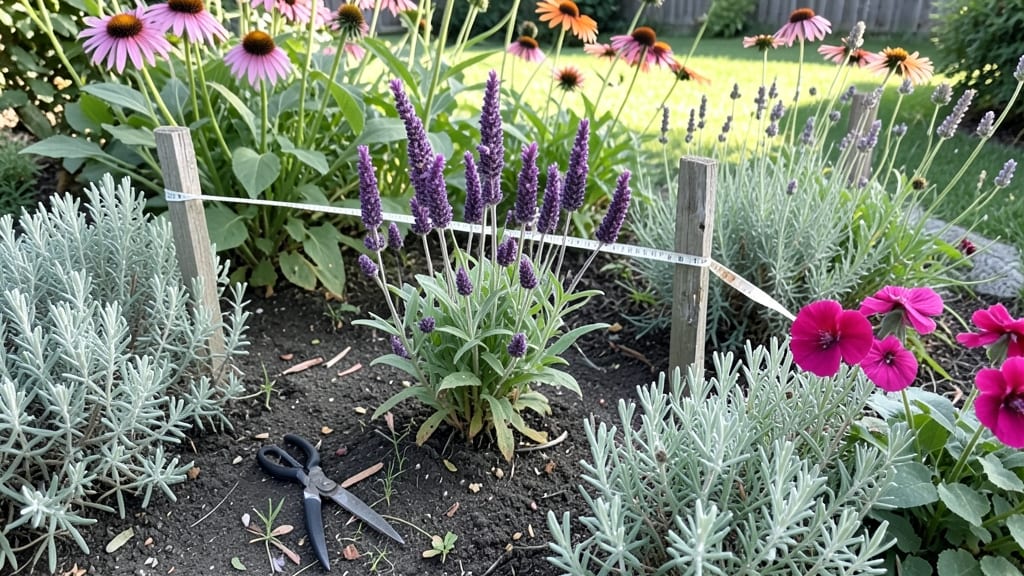
Planning flower gardens that bloom from spring through fall isn't just possible—it's easier than you think when you start with the right layout. I've designed gardens that look effortless because they're built on simple principles: grouping plants by height, color, and sunlight needs while leaving room for seasonal swaps.
The key is treating your garden like a living painting, where each plant plays a specific role in the composition.
You'll need a sketch pad, measuring tape, and a list of plants that thrive in your climate zone. Start by mapping out your sunniest spots, shadiest corners, and moisture levels—this tells you exactly where to place drought-tolerant perennials versus thirsty annuals.
My go-to rule? Tall plants go back, medium in the middle, and spillers at the front, with native species anchoring the design for low-maintenance reliability.
What you'll end up with is a garden that stays vibrant with minimal deadheading or replanting. Imagine walking through your yard in July and finding every inch covered with blooms—no bare spots, no guesswork.
The secret is layering plants that overlap bloom times, like early spring bulbs fading into summer perennials that hand off to fall asters. Even the pathways become part of the show with ground covers and edging plants.
This approach works for any size space, from a 4x8-foot raised bed to a half-acre landscape. The same principles apply whether you're filling containers on a patio or designing a full garden bed. Let's break down how to make it happen without the overwhelm.
📚 In This Guide
- What you need
- Instructions
- Tips and common mistakes
- Wrapping up and next steps
What you need
- ● Garden soil or potting mix: 1–2 cubic yards (depending on garden size). Opt for a well-draining, nutrient-rich blend (e.g., 60% topsoil, 30% compost, 10% perlite).
- ● Flower seeds or starter plants: Perennials (e.g., coneflowers, black-eyed Susans): 1–2 plants per square foot.
- ● Annuals (e.g., marigolds, petunias): 1 plant per 6–12 inches of space.
- ● Bulbs (e.g., tulips, daffodils): 5–10 bulbs per square foot (plant in fall for spring blooms).
- ● Mulch: 2–3 inches of organic mulch (e.g., shredded bark, straw) to retain moisture and suppress weeds.
- ● Garden tools: Trowel or hand shovel
- ● Pruners (bypass pruners for clean cuts)
- ● Garden fork (for aerating soil)
- ● Watering can or hose with adjustable nozzle
- ● Stakes or cages: 4–6 stakes per plant (for tall flowers like delphiniums or hollyhocks).
- ● Slow-release fertilizer: Granular or spike form (e.g., 10-10-10 NPK ratio) for seasonal feeding.
- ● Garden gloves: Heavy-duty for thorny plants or long gardening sessions.
- ● Decorative elements: Garden markers (for labeling plants)
- ● Pathway stones or stepping stones
- ● Solar-powered garden lights (for evening ambiance)
- ● Drip irrigation kit: Automates watering (ideal for busy gardeners!).
- ● Compost bin: Turns yard waste into nutrient-rich soil amendments over time.
How to plan a low-maintenance flower garden that blooms all season
Here’s the straightforward approach I’ve used to create vibrant, easy-care flower beds that keep blooming with almost no daily work.
Choose a Sunny Spot and Measure Your Space
Most flowers thrive with at least 6 hours of direct sun daily, so start by marking the sunniest area of your yard. Use a tape measure to determine your garden’s dimensions—this ensures you buy the right amount of plants and mulch later. I like to sketch a rough outline on paper, noting any obstacles like trees, sidewalks, or utility lines that might limit plant placement.
If your yard has partial shade, opt for shade-tolerant varieties like impatiens or hostas instead of sun-lovers like marigolds or zinnias. A 4-foot by 4-foot bed is a great starting size for beginners—it’s big enough to make an impact but small enough to manage easily.
Map Out Planting Zones for Continuous Blooms
Divide your garden into three zones: early spring bloomers (like tulips or daffodils), mid-season stars (such as petunias or salvia), and late-season showstoppers (like asters or chrysanthemums). This ensures your garden never looks bare. I draw simple circles or squares on my sketch to represent each plant’s mature size—this prevents overcrowding and makes future maintenance a breeze.
For a 4-season garden, add evergreen shrubs like boxwood or heather for winter structure. Place taller plants toward the back and shorter ones toward the front so everything gets enough light. A 12-inch spacing between plants gives them room to grow without competing for nutrients.
Select Drought-Tolerant Varieties for Easy Care
Pick flowers with similar water needs to simplify irrigation. Succulents like sedum and lavender, along with perennials like coneflowers and black-eyed Susans, thrive on once-a-week watering once established. Annuals like zinnias and marigolds also handle dry spells well, making them ideal for low-maintenance beds.
Avoid fussy plants like fuchsias or begonias unless you’re willing to water daily. Group plants by moisture needs—place thirsty varieties like impatiens near a sprinkler or drip line, while drought-tolerant ones can go in drier areas. This way, you’re not constantly running out to water different sections.
Prepare the Soil and Add Mulch
Loosen the top 6 inches of soil with a garden fork to improve drainage and aeration. Mix in a 2-inch layer of compost to enrich the soil without overfeeding—this encourages strong root growth without burning plants. Avoid tilling too deeply, as it can damage underground roots and disrupt soil structure.
Spread 3 inches of mulch over the soil to retain moisture, suppress weeds, and regulate soil temperature. I use shredded bark or pine straw because they break down slowly and won’t smother plants. Keep mulch 2 inches away from plant stems to prevent rot and pests.
Plant and Water for Immediate Results
Dig holes twice as wide as the root ball but no deeper than the plant’s container. Gently remove plants from their pots, loosen the roots if they’re circling, and place them in the holes. Fill in with soil, pressing lightly to eliminate air pockets. Water deeply right after planting to settle the soil and encourage root growth.
For the first 2 weeks, water every other day to help roots establish. After that, cut back to once a week unless your area experiences extreme heat. A drip irrigation system or soaker hose makes watering effortless—just set it on a timer and forget about it.
Tips & tricks for perfect flower garden planning
Creating a low-maintenance flower garden that blooms all season takes a few strategic choices that make all the difference. Here's what I've learned after designing several easy-care gardens myself.
Sunny Spot Strategy: When selecting your 6-hour sun spot, observe the area throughout the day—morning sun behaves differently than afternoon sun. If your yard has afternoon shade, place taller plants like sunflowers or hollyhocks toward the back where they can reach upward for more light. For partial shade areas, consider shade-tolerant perennials like astilbe or coral bells that thrive with just 3-4 hours of filtered light.
Planting Zone Visualization: I've found that sketching your garden layout with simple shapes works better than trying to draw realistic plants. Use colored pencils to mark each zone—blue for early bloomers, green for mid-season, and red for late-season. This color-coding helps you visualize how flowers will transition from spring to fall without gaps. The 12-inch spacing between plants is non-negotiable for airflow, which prevents fungal diseases in crowded beds.
Soil Preparation Secret: The 6-inch soil loosening in Step 4 is where most gardeners cut corners, but this is exactly where root health begins. Work in a 2-inch layer of compost only after loosening—this prevents compaction. For clay-heavy soil, mix in a handful of coarse sand per square foot to improve drainage. I've seen gardens with perfect planning fail because of poor soil prep, so don't skip this foundational step.
Watering System Hack: While drip irrigation is ideal, you can create a simple DIY system using a soaker hose wrapped in spiral patterns around your garden bed. Connect it to a timer set for every other day during the first 2 weeks, then switch to weekly watering. This mimics natural rainfall patterns better than overhead sprinklers, which can encourage fungal growth on leaves.
Pro Tips for Planning Flower Garden
- Creating a low-maintenance flower garden that blooms all season takes a few strategic choices that make all the difference.
- Sunny Spot Strategy: When selecting your 6-hour sun spot, observe the area throughout the day—morning sun behaves differently than afternoon sun.
- Planting Zone Visualization: I've found that sketching your garden layout with simple shapes works better than trying to draw realistic plants.
Frequently asked questions
Got questions about planning your dream flower garden? You’re not alone! Here are some of the most common queries—along with simple answers to get you started on the right path.
What’s the best time to plan a flower garden?
The ideal time to plan is late winter or early spring, when you can assess your space, research plants, and prepare the soil before the growing season kicks off. For cooler climates, late summer or early fall works too—just avoid planting during extreme heat or frost risk. Pro tip: Sketch your layout in dry conditions to see how sunlight and shade play out!
How do I choose low-maintenance flowers for a busy schedule?
Opt for perennials (like coneflowers or lavender) or hardy annuals (e.g., marigolds or zinnias) that thrive with minimal care. Group plants with similar water and sunlight needs to reduce fuss. Mulch heavily to retain moisture, and consider drought-tolerant varieties if irrigation is a challenge. Even a 10-minute weekly check helps!
Can I plant flowers in containers instead of a traditional garden bed?
Containers are perfect for small spaces, balconies, or renters—just pick pots with drainage holes and use lightweight potting mix. Choose compact flowers like pansies, petunias, or succulents and rotate pots to ensure even sun exposure. Bonus: Containers let you move blooms for seasonal sunlight adjustments!
How do I protect my garden from frost or unexpected cold snaps?
Use row covers, cloches, or mulch (like straw) to shield tender plants. For potted plants, move them to sheltered spots or wrap pots in bubble wrap. Cold-hardy flowers (e.g., chrysanthemums or sedum) often survive light frosts. If a freeze is forecast, water plants before nightfall—moist soil retains heat better!
Will my garden attract pests, and how can I keep them away naturally?
Pests like aphids or slugs are common, but prevention is key: Plant companion flowers (e.g., marigolds deter pests), use neem oil sprays, or introduce beneficial insects (like ladybugs). Avoid chemical pesticides—they harm pollinators too! Healthy soil and regular pruning also make plants less vulnerable.
Wrapping up and next steps
Planning your flower garden doesn’t have to be overwhelming—with the right mix of low-maintenance plants, smart design, and seasonal timing, you can enjoy bursts of color year-round with minimal effort! 🌸 Whether you’re a beginner or a seasoned gardener, the key is balancing easy-care blooms with thoughtful placement to maximize beauty and reduce upkeep.
Ready to transform your space? Start small—pick one section of your garden or a single container, gather your supplies, and dive in! Before you know it, you’ll be savoring the rewards of a vibrant, hassle-free garden that blooms effortlessly. Happy planting! 🌿