
Blooming
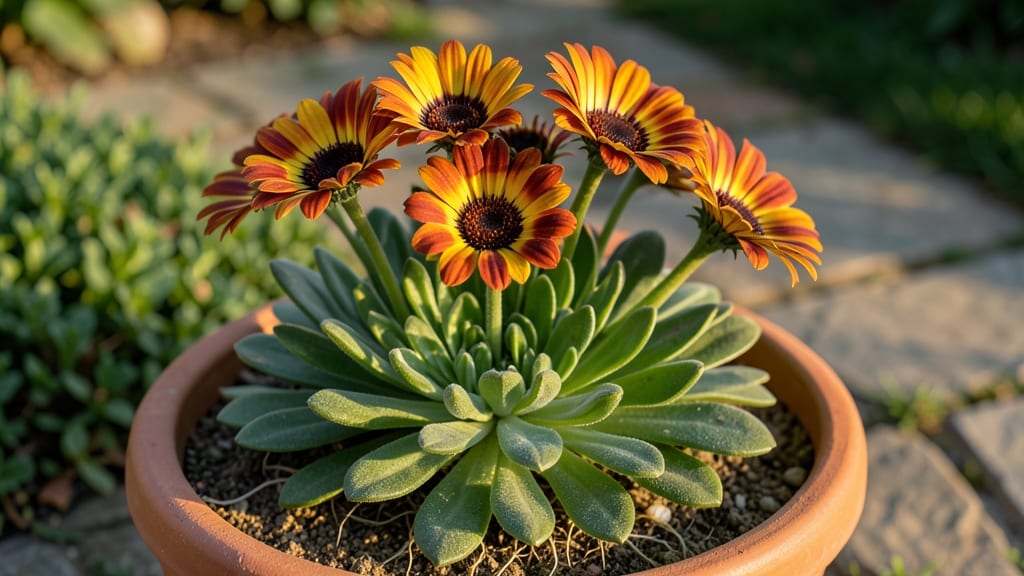
The gazania flower season arrives in spring and summer 🌼, painting your garden with bold colors from dawn to dusk—but only if you plant them at the right time.
If you love vibrant, sun-loving flowers that bloom from dawn until dusk, gazanias are your perfect garden companion—but timing is everything. Knowing the exact gazania flower season in your climate zone ensures you never miss their stunning display of yellows, oranges, and reds.
In cooler climates like USDA Zone 6, these cheerful blooms typically start in June and last through September, while warmer zones can enjoy them year-round with the right care. The key? Planting after your last frost—usually April to May—and giving them full sun.
Below, I break down the best months for planting and blooming by zone, plus pro tips to extend their season and keep them flowering like clockwork.
Gazania flower season by USDA climate zones: when to plant and bloom
Gazanias are sun-loving annuals that thrive in warm climates, but their flowering season varies dramatically depending on your USDA climate zone. In Zone 7, you'll get a shorter display compared to Zone 11, where they can bloom nearly year-round.
Understanding these differences helps you time your planting for maximum impact—whether you want summer-long color or extended fall blooms.
For gardeners in Zones 7-9, gazanias typically bloom from late spring through early fall, while those in Zones 10-11 enjoy longer seasons with minimal frost concerns. Even within these zones, microclimates (like urban heat islands or coastal breezes) can shift blooming windows by 2-4 weeks.
Let’s break down the exact timing for each zone so you can plant with confidence.
| USDA Zone | Planting Window | Blooming Season | Notes |
|---|---|---|---|
| 7 | April–May (after last frost) | June–September | Early varieties bloom first; mulch to extend fall color. |
| 8 | March–April | May–October | Can tolerate light frosts; plant early for longer blooms. |
| 9 | February–March | April–November | Year-round blooms possible with winter protection. |
| 10 | January–February | March–December | Minimal frost risk; plant in containers for mobility. |
| 11 | Year-round (best in cooler months) | Continuous (peaks spring–fall) | Shade cloth in summer to prevent leaf burn. |
In Zone 7, where frost is a real threat, I recommend planting early varieties like 'Sasquatch' in April to catch the June–September blooming window. These gazanias close at night (a trait called nyctinasty) but reopen by dawn, making them perfect for morning gardens.
Use black plastic mulch to warm soil and extend the season by 2–3 weeks.
Gardeners in Zone 8 have more flexibility, with blooms stretching from May to October. Here, I often sow seeds directly in March for early color, then follow up with transplants in April.
For fall extensions, deadhead spent blooms weekly to encourage secondary flushes—this can add 3–4 weeks of color in milder microclimates.
Zones 9–11 offer the longest gazania seasons, but heat management becomes critical. In Zone 9, I plant February–March and use 50% shade cloth during peak summer to prevent leaf scorching.
In Zones 10–11, gazanias can bloom year-round, but I prioritize cooler months (October–April) for the most vibrant displays. Container gardening is ideal here—move pots to partial shade during summer afternoons.
Regional microclimates can shift these timelines. For example, coastal Zone 9 gardens may bloom 2 weeks earlier than inland areas due to cooler ocean breezes. Conversely, urban heat islands in Zone 7 can push blooms 1–2 weeks later.
Always monitor your local first/last frost dates and adjust planting by 10–14 days if needed.
For container gardening, timing is even more flexible. I’ve had gazanias bloom in Zone 7 containers from June to October by overwintering pots in unheated garages and replanting in April.
In Zone 11, I swap out summer-faded plants for fresh ones in August to maintain year-round color.
Pro tip: Deadheading is non-negotiable for long blooms. In my Zone 8 garden, I spend 10 minutes daily snipping spent blooms—this triggers new flowers within 2 weeks. Pair gazanias with drought-tolerant companions like lantana or portulaca to create a low-maintenance sunburst display.
Remember, gazanias are annuals in Zones 7–9 but can be treated as perennials in Zones 10–11 with proper care. If you’re in a transitional zone (e.g., Zone 7b), consider starting seeds indoors in February for a 2-week head start on the season.
With the right timing, your gazanias will outshine even the sunniest days.
How to extend gazania blooms beyond their natural season
Gazanias are summer superstars, but with the right care, you can coax them into blooming well into fall or even early winter in warmer climates. These sun-loving flowers naturally thrive from late spring to early autumn, but strategic techniques can push their flowering season by 2-3 months.
The key? Mimicking their ideal growing conditions while preparing them for cooler temperatures.
First, understand that gazanias are semi-tender perennials that die back in frost but can rebound if protected. In USDA zones 8-11, they often bloom year-round with minimal effort.
For cooler zones (7 and below), extension requires more seasonal adjustments like mulching and deadheading. Let’s explore the proven methods to keep your gazanias flowering longer.
- 🌱 Deadhead daily: Remove spent blooms every morning to redirect energy to new flowers. Use clean pruning shears and cut just above the foliage rosette.
- 🌡️ Mulch heavily: Apply 2-3 inches of mulch (straw or pine bark) in late summer to insulate roots and maintain 60°F+ soil temps.
- ☀️ Maximize sunlight: Ensure 6+ hours of direct sun daily. In fall/winter, supplement with a grow light if natural light drops below 4 hours.
- 💧 Adjust watering: Reduce frequency to every 5-7 days in cooler months to prevent root rot. Water deeply in the morning only.
- ✂️ Light pruning: Trim 1/3 of foliage in early fall to encourage compact growth and protect against wind damage.
- 🌿 Fertilize strategically: Use a low-nitrogen fertilizer (5-10-10) in early fall to support root hardening without encouraging tender new growth.
- 🏡 Protect from frost: In zones 7-8, cover plants with frost cloth when temps drop below 40°F. Remove during daylight hours for airflow.
For container-grown gazanias, extension becomes even easier. Simply move pots to a sunny indoor spot (like a south-facing window) or under grow lights when outdoor temperatures dip. Ensure pots have drainage holes and use a well-draining cactus/succulent mix to prevent waterlogging, which can stunt blooms.
In warmer climates (zones 9-11), gazanias often bloom year-round with minimal intervention. Focus on consistent deadheading and light fertilizing every 6-8 weeks to maintain their vibrant colors. The key difference? No need for frost protection—just keep soil moist and watch them thrive through winter rains.
Remember, extending gazania blooms requires balance. Overwatering or fertilizing in cooler months can stress plants, while underpreparing for frost risks losing them entirely. Start with these techniques in late summer, and you’ll enjoy gazania blooms well into December in ideal conditions.
🌼