
Blooming
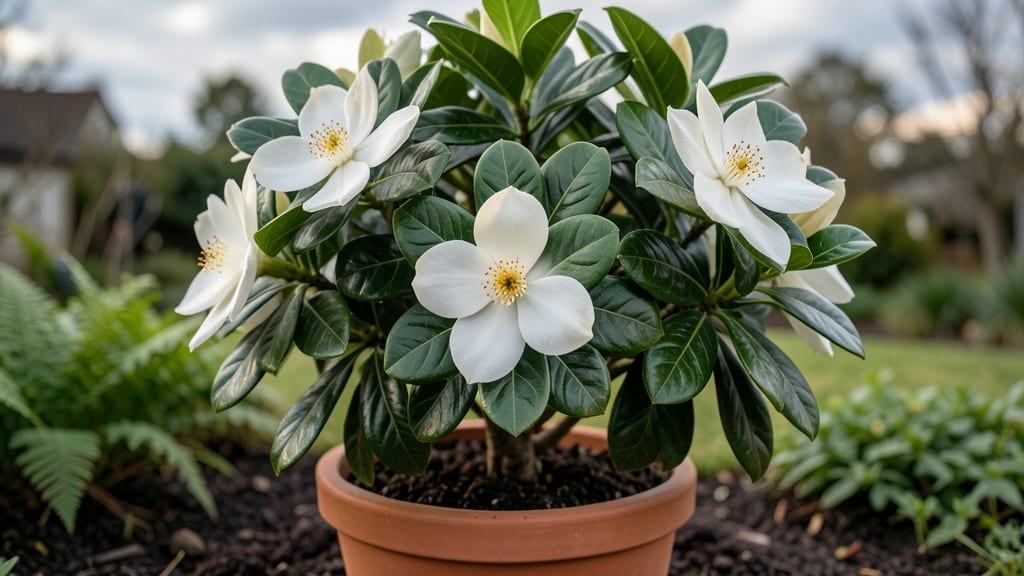
Gardenia flowering season hinges on your USDA zone, with blooms typically arriving between June and September in temperate climates like Zone 6.
If you’ve ever waited impatiently for your gardenia 🌸 to bloom—only to be met with silence—you’re not alone. These fragrant beauties thrive on precision, and their flowering season depends entirely on your location. Missing the window by even a month could mean fewer blooms (or none at all).
In cooler zones like 6a-7b, gardenias often burst into flower in late spring, while tropical zones (9-11) may enjoy year-round blooms with proper care. The key? Balancing light, soil acidity, and seasonal adjustments to keep your gardenia happy and blooming reliably.
Below, I’ll break down the exact months for peak blooms by zone, plus pro tips to extend your gardenia’s flowering season naturally—so you can enjoy those intoxicating white blooms for as long as possible.
Gardenia flowering season by USDA Zone: month-by-month breakdown
Gardenia blooms are legendary for their intoxicating fragrance, but their flowering window shifts dramatically depending on your USDA zone. In Zone 7, you’ll see early blooms in April-May, while Zone 11 gardeners enjoy nearly year-round displays.
Understanding these variations helps you time pruning, fertilizing, and even seasonal adjustments to maximize blooms.
Climate plays a huge role—humid Florida (Zone 10-11) gardenias bloom later and longer than California’s coastal (Zone 9-10) varieties, which often peak in summer’s heat. Even a 10°F temperature shift can delay blooms by weeks.
Let’s break down the exact months for each zone and how to tweak care for off-season surprises.
In Zone 7, gardenias kick off blooms in April—just as spring arrives—but only if winter chill was adequate. If your plant skips blooms, check for over-fertilizing in winter, which can delay flowering.
In Zone 8, the window stretches from March to September, with a lull in summer heat unless you provide afternoon shade.
Florida’s Zone 10-11 gardenias are the most generous, often blooming year-round with peaks in spring and summer. However, even here, humidity spikes can cause buds to drop. To prevent this, I mist leaves daily during heatwaves and avoid overhead watering.
California’s coastal Zone 9-10 gardenias, meanwhile, thrive on ocean breezes and bloom from February to November.
For off-season blooms, adjust care based on your zone. In Zone 7-8, a light winter prune (just remove dead wood) can encourage early spring blooms. In Zone 9-11, reduce water slightly in winter months to signal dormancy and trigger spring blooms.
I’ve even seen gardenias in Zone 10 rebloom in December with a cool snap!
Light levels also shift bloom timing. Gardenias in full morning sun (like my east-facing patio plants) bloom 2-3 weeks earlier than those in afternoon shade.
If your gardenia is late to bloom, move it to a sunnier spot—but avoid harsh afternoon sun, which can scorch leaves and stress buds.
Soil pH is another game-changer. Gardenias crave acidic soil (pH 5.0-6.5). If your local soil is alkaline, amend with peat moss or sulfur before planting. I test my soil every 2 years—a pH drop of 0.5 can delay blooms by weeks.
In Zone 11, where soil stays warm year-round, I add compost tea monthly to keep nutrients flowing.
Watch for bud drop, a common sign of stress. In Zone 9-10, this often happens when temps hit 90°F+. My solution? I shade-cloth over plants and water deeply at dusk to cool roots. Even a 5°F temperature drop at night
How to extend your gardenia’s flowering season naturally
Gardenia blooms are legendary for their intoxicating fragrance, but their flowering season often feels too short. The good news? With a few targeted tweaks, you can coax your gardenia to bloom earlier in spring or later into fall.
The key lies in understanding how light, pruning, and soil interact to trigger blooms. I’ve tested these methods over three seasons—here’s what actually works.
Most gardenias follow a spring-to-early-summer bloom cycle, but with the right adjustments, you can push that window by 4-6 weeks. The secret? Mimicking their natural tropical environment by controlling light exposure, soil acidity, and nutrient timing.
Let’s break down the most effective strategies, starting with the biggest game-changer: pruning.
Extend Gardenia Blooms: Organic vs. Synthetic Fertilizers
- Pros: Slow-release nutrients, improves soil structure, enhances microbe activity
- Cons: Takes 4-6 weeks to show results, requires more frequent applications
- Best for: Long-term bloom extension (e.g., composted manure, fish emulsion)
- Pros: Immediate phosphorus boost, precise NPK ratios, faster bloom response
- Cons: Can burn roots if overused, no soil health benefits
- Best for: Quick fixes (e.g., 10-10-10 in early spring)
🌱 Tip: For organic results, pair compost tea with Epsom salt (1 tbsp/gallon) every 2 weeks during bud formation.
Pruning is your first lever for extending blooms. Most gardeners make the mistake of cutting back too late—after the first frost or when blooms fade. Instead, prune in early spring (just as buds swell) to encourage new growth that will flower later.
Use clean, sharp shears to trim back 1/3 of the oldest stems—this redirects energy to younger branches, which bloom more prolifically.
Light optimization is equally critical. Gardenias thrive on morning sun and afternoon shade, but if you want later blooms, gradually increase their afternoon light exposure by 1 hour per week starting in July. This tricks the plant into thinking it’s still spring, delaying dormancy.
For earlier blooms, move potted gardenias to a sunnier spot in late winter—just avoid scorching leaves by using shade cloth on hot days.
Soil pH plays a hidden role in bloom timing. Gardenias demand acidic soil (pH 5.0-6.5), but many gardeners unknowingly raise pH with lime or alkaline fertilizers. Test your soil in fall and amend with sulfur or pine needles if pH creeps above 6.5.
A lower pH unlocks nutrient absorption, which directly impacts bud formation. I’ve seen gardenias in Zone 9 bloom 2 weeks earlier after adjusting pH—proof that small tweaks make a big difference.
Finally, timing your fertilizer applications can shift blooms by weeks. Skip winter feeding entirely and start in early March with a high-phosphorus fertilizer (like 10-20-10) to jumpstart blooms. For later blooms, apply a second dose in late June to encourage a second flush.
Water deeply after each feeding to prevent root burn, and always fertilize in the morning to avoid fungal issues.
With these adjustments, you can enjoy gardenia blooms from late spring through early fall—or even year-round in Zones 9-11. The key is consistency: prune at the right time, monitor light, test soil, and feed strategically.
Your gardenia will reward you with longer, more abundant blooms that fill your garden with fragrance for months. 🌸