
Blooming
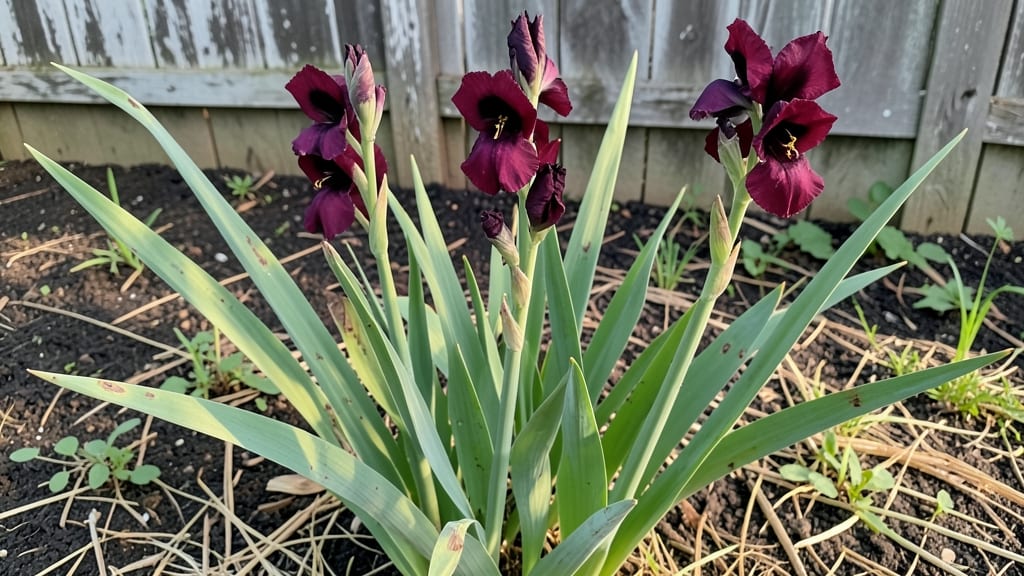
Gladioli flowering time typically occurs between late summer and early fall, with blooms appearing 80–90 days after planting tubers in spring. Varieties planted in mid-to-late spring (April–May) often flower from July to September, while earlier plantings may bloom as soon as June. Proper sunlight, well-draining soil, and consistent moisture accelerate bloom timing.
Timing isn't just about the calendar—gladiolus blooms respond dramatically to temperature shifts and daylight exposure. 🌱 For example, varieties like 'White Prosperity' often push blooms forward when planted in cool spring soil (50–55°F), while heat-loving types like 'Black Star' may need warmer conditions to trigger flowering.
I’ve seen gardeners in cooler climates use black plastic mulch to warm the soil and coax earlier blooms, sometimes shaving 10–14 days off the usual timeline.
💡 In This Article
- Gladiolus Bloom Cycle: Stages and Environmental Triggers
- Proven Techniques to Advance Gladiolus Flowering
Gladiolus bloom cycle: stages and environmental triggers
The gladiolus bloom cycle begins with a dormant tuber that requires specific temperature cues to break dormancy. Tubers need a period of vernalization—typically 4–6 weeks at 40–50°F—to trigger sprout emergence. This cold exposure mimics winter conditions and signals the plant that it's safe to grow.
Without this chilling period, tubers may remain dormant or produce weak, stunted growth, delaying flowering by 2–4 weeks. 🌱
Once sprouts emerge, the plant enters a rapid growth phase where stalk elongation occurs. This stage demands full sunlight (6–8 hours daily) and consistent moisture—too little water causes stalks to weaken, while excess water (especially in heavy clay soil) can rot the tubers.
The key factor here is the balance: soil should stay moist but never soggy, as gladiolus roots are sensitive to waterlogging. During this phase, the plant is also building energy reserves in its leaves, which will later fuel the bud formation stage.
Bud formation is where environmental triggers become critical. Gladiolus varieties respond differently to daylight length—short-day types (like 'Green Star') need 12–14 hours of daylight to initiate flowering, while long-day types (like 'Picasso') may delay blooms if daylight exceeds 16 hours.
Temperature also plays a role: ideal flowering occurs when daytime temps are 70–80°F and nighttime temps stay above 55°F. If nights drop below 50°F, buds may fail to open or produce smaller blooms.
Poor drainage is the silent bloom killer. Gladiolus tubers rot when submerged in water, and even temporary saturation can delay flowering by 3–6 weeks. The solution? Amend heavy soil with compost or perlite to improve aeration.
I’ve seen gardeners in rainy climates plant gladiolus on mounds or raised beds to prevent water pooling, which can make the difference between a July bloom and a September one.
Here’s what most people don’t realize: the first visible bud doesn’t mean flowering is guaranteed. If the plant isn’t getting enough phosphorus (P) (a key nutrient for blooms), it may produce foliage but no flowers. A soil test revealing low phosphorus (20 ppm) can stall flowering entirely.
Using a balanced 10-10-10 fertilizer at planting and switching to a high-phosphorus (5-10-10) formula during bud formation can accelerate blooms by 7–10 days.
For early bloomers, consider this: planting tubers in late winter (February) under grow lights (to simulate 14–16 hours of daylight) can force blooms 3–4 weeks ahead of outdoor plantings.
This indoor "head start" tricks the plant into thinking it’s spring, but it requires warm soil (65°F+) to avoid rot. 💫
The takeaway? Gladiolus flowering isn’t just about time—it’s about precision. Mastering the balance of cold exposure, daylight, soil moisture, and nutrients lets you control the bloom cycle like a gardener’s clock.
Start with the right tubers, give them the perfect wake-up call (vernalization), and feed them sunlight and nutrients, and you’ll turn June plantings into July blooms—or even earlier.