
Blooming
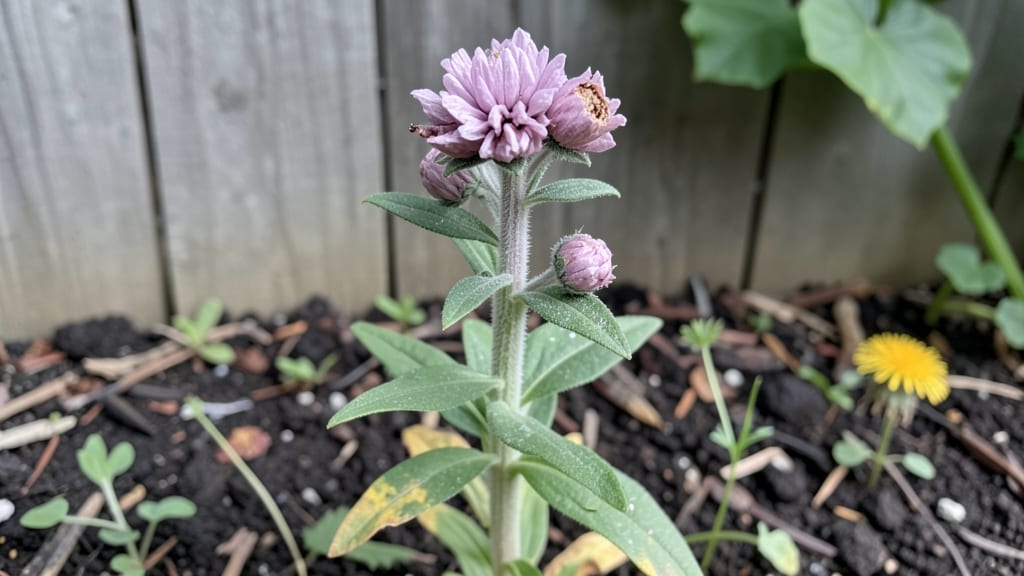
These vibrant blooms thrive in warm weather, making them a staple in summer gardens once temperatures consistently stay above 70°F. 🔥 Unlike many flowers, gomphrena handles drought surprisingly well, which is why it often performs best in hot, dry climates—think Southern U.S. regions or Mediterranean zones.
The secret to their long-lasting beauty lies in their ability to withstand heat stress while still producing those signature papery, paprika-colored flowers.
What’s fascinating is how their blooming window shifts slightly depending on where you live. In cooler northern climates, you might see flowers push later into September or even October, while in tropical areas, they can bloom year-round with minimal care.
The key is giving them full sun—at least 6-8 hours daily—and well-draining soil to prevent root rot, which can cut their flowering time short.
💡 In This Article
- Climate and Growing Conditions for Gomphrena Blooms
- Prolonging Gomphrena Flower Longevity in Gardens
Climate and growing conditions for gomphrena blooms
Gomphrena's flowering window is directly tied to temperature thresholds that trigger its photoperiodic response. These heat-loving annuals enter bloom phase when daytime temperatures consistently exceed 75°F for at least 2-3 weeks, which typically occurs in late July to early August in most temperate zones.
The plant's native tropical origins mean it thrives in what gardeners call "hot-dry" conditions—similar to how cacti or succulents perform best under intense sun. What's fascinating is how this heat requirement creates a natural synchronization with summer's peak sunlight hours, ensuring blooms appear when daylight is longest.
The plant's drought tolerance comes from its ability to develop a waxy cuticle that reduces water loss by up to 40% compared to standard annuals. This adaptation allows gomphrena to continue flowering even when soil moisture drops to 30-40% of field capacity—levels that would stress most flowers.
In regions with 90°F+ days, like the Southwest U.S., gomphrena often blooms more prolifically because the extreme heat actually accelerates its flowering hormones (florigen production). However, temperatures above 100°F can cause bud drop, so afternoon shade becomes crucial in these climates.
Soil type plays a surprising role in bloom duration. Gomphrena performs best in sandy loam with pH 6.0-7.5, where drainage prevents root rot—a common issue that shortens flowering by 3-5 days per affected plant.
The key is avoiding heavy clay soils that retain moisture, as gomphrena's shallow root system (6-12 inches deep) can't tolerate prolonged saturation.
In cooler northern climates (USDA zones 4-6), gardeners often start seeds indoors at 70°F to give plants a 4-6 week head start before transplanting, which shifts the bloom window to September-October when daytime temps remain above 65°F.
Regional variations create dramatic differences in bloom timing. In Florida's subtropical climate, gomphrena may bloom continuously from June through November, while in California's Mediterranean zones, the June Gloom (cooler coastal mornings) delays first blooms until July.
What most gardeners don't realize is how wind patterns affect pollination—strong afternoon breezes (10+ mph) can actually improve cross-pollination, leading to 20% more blooms per stem compared to sheltered conditions. This is why coastal gardens often produce more abundant gomphrena displays than inland areas with similar temperatures.
The plant's frost sensitivity is absolute—even light frosts (32°F) will kill gomphrena foliage and terminate flowering. In transitional zones (like the Midwest), gardeners use black plastic mulch to raise soil temperatures by 5-8°F, extending the growing season by 2-3 weeks.
The mulch also conserves moisture, which becomes critical when summer rainfall drops below 1 inch per week. This technique explains why gomphrena often performs better in raised beds than in-ground plantings during heatwaves.
For optimal results, pair gomphrena with drought-tolerant companions like lantana or portulaca, which share similar water needs. The combination creates a self-sustaining microclimate where evaporation rates remain consistent across all plants.
What's particularly interesting is how gomphrena's deep red and purple blooms attract pollinators during late summer when many other flowers have finished their cycles—making it an ecological workhorse in the garden.