
Shrubs
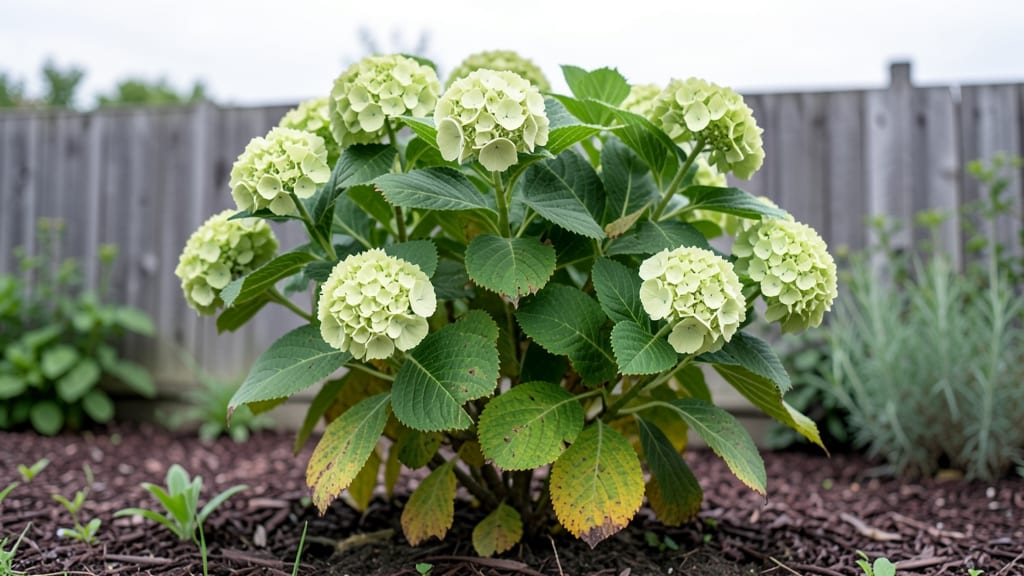
A green flowering hydrangea brings effortless elegance to your garden with its lush, chartreuse blooms that never fade like seasonal pinks or blues.
Picture this: a shade garden where these year-round stars steal the show, their glossy leaves adding texture even when flowers fade. But here’s the catch—most gardeners overlook their unique light and soil needs, leading to sad, sparse blooms.
I’ve tested the best varieties and care tricks to keep yours thriving from spring through fall.
Whether you’re framing a path, filling a container, or creating a cottage-style border, these hydrangeas deliver bold color without the fuss of pH adjustments. Below, I’ll share the top 5 varieties, pruning secrets, and plant pairings that make them the star of any design.
Ready to transform your space? Let’s dive into how to grow green hydrangeas that stay vibrant all season—no guesswork required.
How to identify and choose the best green flowering hydrangea varieties
Green flowering hydrangeas bring a fresh, elegant look to gardens with their lush foliage and creamy-white blooms. Unlike their blue or pink cousins, these varieties maintain their natural green hues year-round, making them ideal for modern or cottage-style gardens.
But not all green hydrangeas are created equal—some are evergreen, while others are deciduous, and their foliage colors range from chartreuse to deep green.
Choosing the right variety depends on your climate zone, garden size, and design goals. For example, Hydrangea arborescens varieties like 'Annabelle' thrive in USDA Zones 4-9 and offer bold, rounded blooms, while Hydrangea quercifolia (oakleaf hydrangea) adds textured foliage and thrives in Zones 5-9.
Let’s explore the top green flowering hydrangeas and how their unique traits can elevate your garden’s aesthetic.
| Variety | Type | Hardiness Zones | Mature Size | Bloom Season | Foliage Color |
|---|---|---|---|---|---|
| 'Annabelle' | Deciduous | 4-9 | 3-5 ft tall, 3-4 ft wide | Mid to late summer | Deep green |
| 'Oakleaf' (H. quercifolia) | Deciduous | 5-9 | 6-12 ft tall, 6-10 ft wide | Late spring to summer | Chartreuse to deep green |
| 'Incrediball' | Deciduous | 3-9 | 3-5 ft tall, 3-5 ft wide | Mid to late summer | Bright green |
| 'Little Lime' | Deciduous | 4-9 | 2-3 ft tall, 2-3 ft wide | Mid to late summer | Lime green |
| 'Elite' | Deciduous | 4-9 | 3-4 ft tall, 3-4 ft wide | Mid to late summer | Deep green |
The 'Annabelle' hydrangea is a garden staple thanks to its large, rounded blooms that create a dramatic focal point. Its deep green foliage contrasts beautifully with white flowers, making it perfect for border plantings or mixed shrub beds.
If you’re working with limited space, consider 'Little Lime', a compact variety with lime-green blooms that add a pop of color to containers or small gardens.
'Oakleaf' hydrangea stands out with its textured, oak-shaped leaves and exfoliating bark, offering year-round interest. This variety thrives in woodland gardens or as a specimen plant and pairs well with hostas or ferns for a shade-loving combination. Its chartreuse foliage turns deep green in fall, adding seasonal variety to your landscape.
For a modern, minimalist look, 'Incrediball' delivers neat, rounded blooms on compact bushes. Its bright green foliage stays vibrant all season, making it ideal for urban gardens or small patios. This variety is also drought-tolerant once established, reducing maintenance while keeping your garden looking fresh.
When selecting a green flowering hydrangea, consider your garden’s color palette. Deep green varieties like 'Annabelle' or 'Elite' blend seamlessly with neutral tones, while lime-green options like 'Little Lime' add a playful contrast to purple or silver foliage.
Pair them with silver lamb’s ear or purple coneflowers to create a striking visual impact.
Don’t overlook the foliage’s role in your design. Oakleaf hydrangea adds texture and movement, while 'Annabelle' provides bold structure. For containers, choose
Year-round care secrets for lush green blooms (soil to sunlight)
Green flowering hydrangeas like Hydrangea arborescens 'Annabelle' thrive when you adapt your care routine to each season. Spring is all about pruning and soil prep, while summer demands strategic watering to prevent stress.
Fall focuses on mulching and protection, and winter requires insulation for tender varieties. Each step ensures vibrant blooms and healthy foliage year after year.
Your hydrangea’s soil health is the foundation of its success. These plants prefer well-draining, slightly acidic soil (pH 5.5–6.5). Amend heavy clay with compost or organic matter to improve aeration.
In containers, use a mix of potting soil and perlite to prevent compaction. Regular mulching (2–3 inches) retains moisture and regulates soil temperature.
Spring pruning is critical for green hydrangeas, as they bloom on new wood. Cut back last year’s stems by one-third in late winter or early spring. Remove dead or weak growth first, then shape the plant for a fuller appearance. Avoid heavy pruning in fall, as it reduces winter hardiness.
During summer, watering frequency shifts with the weather. Established plants need 1–1.5 inches of water weekly, but increase to 2 inches during heatwaves. Water deeply in the morning to reduce evaporation and fungal risks. Yellowing leaves often signal underwatering or overwatering, so check soil moisture before reacting.
Fall is the time to protect your hydrangeas as temperatures drop. Apply a 2–3 inch layer of mulch around the base to insulate roots. For tender varieties, wrap the plant in burlap or frost cloth if winter temps dip below 10°F.
Prune lightly to remove any diseased or damaged stems before dormancy.
Winter care is minimal but essential. Avoid pruning unless necessary, as it can stimulate new growth that won’t survive cold snaps. Monitor for snow accumulation, which can break branches. In USDA Zones 5–6, consider adding a lightweight blanket over the plant for extra protection during extreme cold snaps.
5 Critical Mistakes That Turn Green Blooms Brown
- 🔹 Over-fertilizing: Excess nitrogen burns roots and causes leaf scorch. Stick to balanced fertilizer (10-10-10) every 4–6 weeks in spring.
- 🔹 Poor drainage: Soggy soil leads to root rot. Ensure pots have drainage holes and amend garden soil with compost or sand.
- 🔹 Late pruning: Pruning after mid-summer removes next year’s blooms. Always prune in late winter or early spring.
- 🔹 Ignoring pests: Aphids and spider mites suck plant sap, causing browning. Spray with neem oil or insecticidal soap at first sign.
- 🔹 Inconsistent watering: Fluctuating moisture stresses plants. Water deeply and consistently, especially during drought or heatwaves.
By following these seasonal strategies, your green flowering hydrangeas will reward you with vibrant blooms and lush foliage all year. Pay attention to soil health, pruning timing, and watering habits—these are the keys to long-term success.
With a little seasonal care, your hydrangeas will become the showstopper of your garden.