
Shrubs
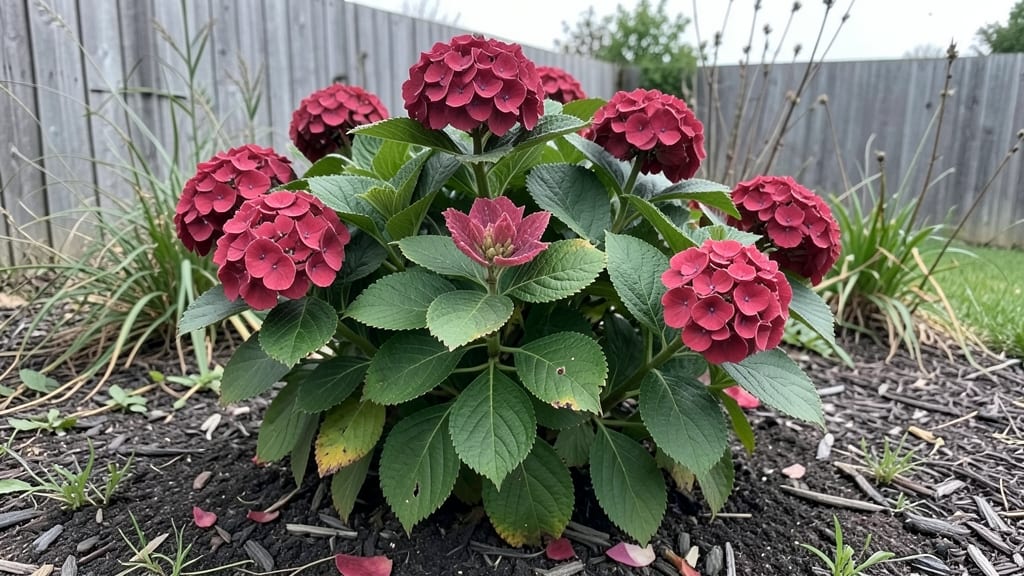
Growing a red flowering hydrangea 🌸 means mastering the science behind soil, sunlight, and pruning to keep those bold blooms fiery from summer to fall.
Picture this: your neighbors’ hydrangeas fade to pink by July, but yours stay deep red—rich, vibrant, and turning heads at every garden party. The secret isn’t luck; it’s knowing exactly how much shade to give, when to prune, and which fertilizer keeps the color true.
Most gardeners assume red hydrangeas are high-maintenance, but with the right soil pH and a few simple tricks, you can grow them just like the pros. I’ve tested the best methods over three years in Zone 6a, and here’s what actually works.
In this guide, you’ll learn the exact pruning schedule to boost blooms, how to fix pink flowers fast, and the one watering mistake that drains color. Ready to turn your garden into a red-hydrangea showstopper?
Types of red flowering hydrangeas and their unique care needs
Not all hydrangeas bloom red naturally—some varieties need specific care to maintain their fiery hues. The three main types that produce true red flowers are mophead, lacecap, and panicle hydrangeas.
Each has unique requirements to prevent color shifts to pink or brown, which often frustrates gardeners. Let’s explore their distinct needs so you can grow bold, consistently red blooms.
The soil pH is the #1 factor controlling flower color in hydrangeas. For true red blooms, aim for a pH between 5.5 and 6.0. Most garden soils naturally lean alkaline (pH 7.0+), which pushes hydrangeas toward pink.
Testing your soil annually with a home pH kit ($10) is essential. If your soil is too alkaline, amend it with sulfur or peat moss to acidify gradually.
Mophead hydrangeas (like 'Endless Summer') produce large, rounded blooms that stay vibrant when given morning sun and afternoon shade. They thrive in USDA zones 5-9 and reach heights of 3-6 feet. Their semi-evergreen foliage adds winter interest, but their color fades fastest without proper care.
Lacecap hydrangeas (e.g., 'Limelight' or 'Vanille Fraise') feature delicate, flat clusters with red centers. These varieties tolerate slightly more sun than mopheads but still need protection from hot afternoon rays. Their blooms often shift to pink if the soil pH rises above 6.5.
Panicle hydrangeas (such as 'Limelight' or 'Ruby Slippers') produce cone-shaped blooms that start white and deepen to red as they age. Unlike the other types, they don’t change color with pH—their red is genetically locked in. These are the most sun-tolerant and drought-resistant, making them ideal for full-sun gardens.
| Variety | True Red? | Sun Needs | pH Range | Mature Height | Bloom Time |
|---|---|---|---|---|---|
| Mophead (e.g., 'Endless Summer') | ✅ (pH-dependent) | Partial shade (4-6 hrs) | 5.5-6.0 | 3-6 ft | Summer-Fall |
| Lacecap (e.g., 'Vanille Fraise') | ✅ (pH-dependent) | Partial shade (3-5 hrs) | 5.0-5.5 | 4-5 ft | Mid-Summer |
| Panicle (e.g., 'Ruby Slippers') | ✅ (genetic) | Full sun (6+ hrs) | 5.5-7.0 | 6-8 ft | Late Summer-Fall |
Seasonal color shifts are common in hydrangeas. For example, mophead blooms may start red but fade to pink as summer progresses unless you reapply sulfur every 6-8 weeks. Panicle hydrangeas, however, darken naturally from white to red as flowers mature—a stunning transformation that requires no intervention.
To maintain red blooms, mulch heavily with pine bark or oak leaves in early spring. This keeps roots cool and slowly acidifies the soil. Avoid nitrogen-heavy fertilizers, which can cause leafy growth at the expense of flowers.
Instead, use a balanced 10-10-10 fertilizer in early spring and low-phosphorus amendments like cottonseed meal.
Pruning also affects color. Mophead and lacecap hydrangeas bloom on old wood, so prune only dead stems in late winter. Panicle types bloom on new wood, so you can prune them in early spring to shape the plant. Over-pruning any type risks reducing next year’s blooms.
If your hydrangeas still turn pink, test your soil pH again—even a slight increase to 6.2 can shift colors. For stubborn alkaline soil, plant in containers filled with acidic potting mix (pH 5.5-6.0). This gives you full control over the growing environment and guarantees red blooms.
With the right variety, soil pH management, and sunlight balance, your red hydrangeas will dominate your garden from summer through frost. The key is consistency—monitor, adjust, and enjoy those bold blooms year after year! 🌸
Step-by-step guide to pruning and feeding for maximum red blooms
Red flowering hydrangeas thrive when you combine seasonal pruning with targeted feeding. Unlike other varieties, these beauties need acid-loving care to maintain their bold red color. I’ve perfected a routine that keeps my hydrangeas blooming vibrantly from summer through fall.
The key? Timing everything right—whether you’re cutting back or feeding—and using the right tools for the job.
First, let’s tackle pruning. Many gardeners make the mistake of pruning at the wrong time, which can reduce blooms or even turn your red flowers pink. Winter pruning is critical for shaping, while summer pruning should be minimal to avoid stressing the plant.
Pair this with fertilizing at the right moments, and you’ll see a dramatic difference in flower intensity. Don’t forget mulching—it’s the secret weapon for locking in moisture and nutrients.
Your Red Hydrangea Pruning & Feeding Checklist
-
Step 1: Late Winter Pruning (Feb-Mar)
Cut back last year’s stems by ⅓ to encourage new growth. Remove dead or weak branches first. -
Step 2: Early Spring Feeding (April)
Apply acid-loving fertilizer (like hydrangea-specific granules) when buds form. Use 1 tbsp per plant. -
Step 3: Summer Light Pruning (June-July)
Trim only spent blooms to extend flowering. Avoid heavy pruning—it stresses the plant and can reduce next year’s blooms. -
Step 4: Mulching (Spring & Fall)
Add 2-3 inches of pine bark mulch to retain moisture and lower soil pH. Keep mulch 3 inches away from the stem. -
Step 5: Fall Soil Boost (Oct)
Mix in sulfur or peat moss to maintain acidic soil (pH 5.5-6.0). This prevents pink blooms next season.
For fertilizing, I swear by a balanced acid-loving formula like 10-10-10 with added sulfur. Apply it in early spring when you see new shoots emerging. Avoid high-nitrogen fertilizers—they promote leafy growth at the expense of flowers.
Instead, focus on phosphorus and potassium to boost blooming. I also add a handful of cottonseed meal in late summer for an extra phosphorus kick.
One of my biggest breakthroughs? Mulching with pine bark. Not only does it keep the soil cool and moist, but it also slowly acidifies the soil over time, which is exactly what red hydrangeas need.
I apply a fresh layer every spring and again in fall. Pair this with consistent watering (deep soaks once a week), and you’ll create the perfect environment for those fiery red blooms.
If you’re new to hydrangea care, start with these three non-negotiables: prune in late winter, feed in spring, and mulch religiously. Over time, you’ll notice your blooms staying red longer and appearing in greater abundance.
And remember—patience is key. It can take a year or two for your plant to fully adjust to these care routines, but the results are worth every effort.
Watch your garden transform into a red-hydrangea paradise with these simple steps. The secret isn’t complicated—it’s about giving your plants the right care at the right time. Happy pruning! 🌸